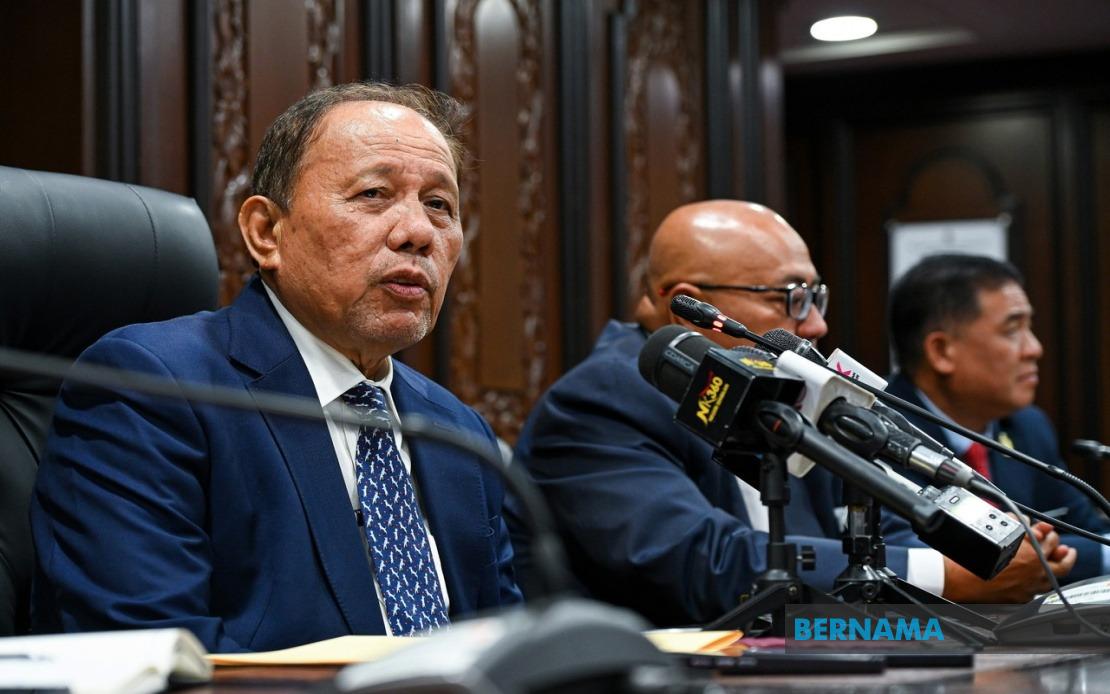
Negeri Sembilan residents will see no increase in their residential assessment tax for the next five years, marking a significant relief for homeowners across the state. Menteri Besar Datuk Ismail Lasim made the announcement following the first State Executive Council meeting held in Seremban on August 10, emphasizing that the freeze reflects the state administration's commitment to easing the financial pressures facing ordinary Malaysians during challenging economic times.
The decision came after local authorities had been preparing for a potential tax revision that would have been implemented in either January or July. Rather than proceeding with the planned increase, the state government opted to maintain current assessment tax rates while suspending any upward adjustments throughout the five-year period. This freeze applies to residential properties only and represents a deliberate policy choice to prioritize household budgets over incremental revenue growth for municipal authorities.
Ismail framed the decision as a direct fulfillment of commitments made during the 16th Negeri Sembilan State Election, positioning the tax freeze as part of Barisan Nasional's broader manifesto pledges to the electorate. The measure underscores how state governments in Malaysia continue to leverage property tax policy as a tool for demonstrating responsiveness to voter concerns, particularly in an environment where inflation and cost-of-living pressures dominate public discourse. For Malaysian homeowners, who already contend with multiple property-related levies and maintenance charges, this announcement may provide a measure of predictability in household budgeting.
While assessment taxes will technically remain in place, their frozen status ensures that residents will not face the cumulative burden of annual percentage increases over the coming years. Local authorities typically use assessment tax revenue to fund municipal services including waste management, street maintenance, and community amenities. The decision to freeze rates will inevitably create planning challenges for these councils as they balance service delivery with stagnant income sources, a tension that often goes unaddressed in political announcements focused on taxpayer relief.
The Menteri Besar also used the occasion to outline the administrative framework for the incoming state assembly. The first special session of the 16th Negeri Sembilan State Legislative Assembly is scheduled for August 18, featuring the formal swearing-in of all state assemblymen and the appointment of the Speaker and Deputy Speaker positions. These ceremonial but constitutionally important steps mark the formal transition to the new administration following recent electoral changes in the state.
A notable procedural point emerged regarding the Speaker appointment: unlike the Deputy Speaker position, which must be filled by a sitting state assemblyman, the Speaker will be selected from individuals outside the legislative assembly. This arrangement provides flexibility in choosing experienced administrative or legal figures for the role. Ismail revealed that a candidate for the Deputy Speaker position had already been identified, with a public announcement expected the following week, though the Speaker appointment remained under consideration without a definitive decision having been made.
During the Executive Council meeting, Ismail stressed to all Exco members the need for unwavering dedication to their portfolios, emphasizing values of integrity, professionalism, and commitment. His remarks reflected a broader pattern among newly-formed state administrations to establish clear performance standards and expectations for political appointees. Ismail called for a cohesive administrative team where each member assumes clear responsibility for their respective ministry or portfolio while ensuring that departments and agencies remain synchronized with overarching state government objectives.
The emphasis on teamwork and alignment suggests recognition that effective governance requires more than individual ministerial performance; it demands coordinated effort across the entire executive branch. In the Malaysian state context, where coalition politics often involves managing competing interests among allied parties, such messages about unity and shared purpose carry particular significance. The Menteri Besar's insistence on administrative coherence may reflect concerns about potential fragmentation or competing agendas among Exco members from different political parties within the broader coalition.
For residents across Negeri Sembilan, the assessment tax freeze represents tangible policy relief, though the broader implications remain complex. While homeowners benefit from predictable property tax costs, the decision does constrain municipal funding for local services. The five-year timeframe suggests the state government intends this as a medium-term commitment rather than an indefinite policy, implying that tax increases may resume after 2029. This creates a form of demographic timing whereby voters who benefit now may have relocated or forgotten the benefit by the time the freeze expires and rates inevitably rise to compensate for years of foregone indexation.

