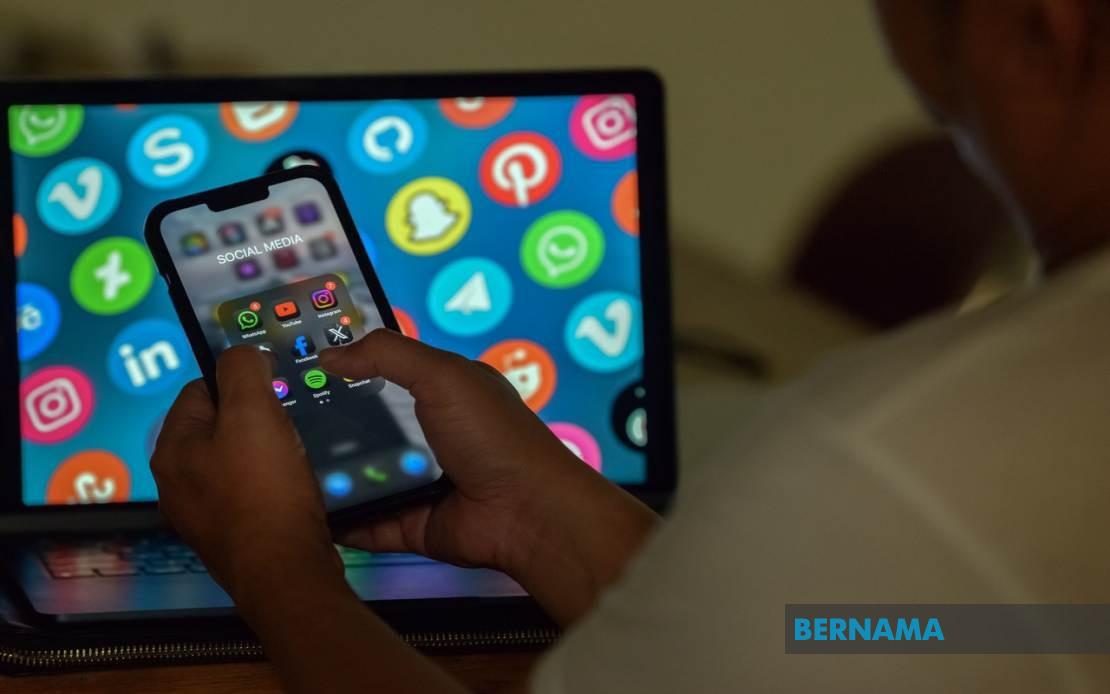
The upcoming Negeri Sembilan state election on August 1 has become a showcase for how modern political campaigns in Malaysia are fundamentally reshaping their approach to voter engagement. Rather than relying solely on traditional ground operations, candidates representing Pakatan Harapan, Barisan Nasional, and Perikatan Nasional have embraced a multi-platform digital strategy that recognises the diverse media consumption habits of the electorate. This shift underscores a broader transformation in Southeast Asian political communication, where online presence has become as critical as physical campaigning in reaching the state's 889,490 registered voters.
The digital campaign landscape in Negeri Sembilan reveals a sophisticated understanding of generational preferences. Candidates have strategically tailored their content across different platforms, recognising that Baby Boomers, Generation X, and Millennials predominantly engage with Facebook and YouTube, while Generation Z voters increasingly gravitate towards TikTok, Threads, and Instagram. This segmented approach allows political parties to craft messaging that resonates with specific demographic cohorts rather than applying a one-size-fits-all communication strategy. The recognition of these distinctions represents a maturation in how Malaysian political organisations understand their constituents and adapt their communication accordingly.
Content strategy has evolved significantly beyond static text and traditional campaign materials. Candidates are deploying infographics detailing their manifestos, responding to contemporary policy issues, sharing daily campaign updates, and producing casual video content. Livestreaming has become increasingly prevalent, allowing candidates to interact directly with voters in real time. This diversification of content types reflects an understanding that voter attention spans vary considerably and that different forms of information delivery can penetrate different segments of the electorate more effectively than conventional approaches.
The emergence of short-form video content has fundamentally altered campaign messaging across all three major coalitions. Rather than delivering lengthy political speeches—formats that historically defined Malaysian political campaigning—candidates now employ Point of View clips, trending audio, and behind-the-scenes content to humanise their campaigns. These formats are particularly effective at capturing the attention of younger voters who have grown up consuming media in short bursts. The shift from traditional oratory to Instagram Reels and YouTube Shorts represents not merely a change in medium, but a genuine transformation in political discourse style within Malaysia.
Menteri Besar Datuk Seri Aminuddin Harun, the Pakatan Harapan candidate for Linggi, exemplifies this new approach. His social media presence features documentation of everyday activities including performing Subuh prayers and sharing breakfast with residents, interspersed with campaign-style motorcycle visits through local communities. This strategy of combining routine daily activities with political messaging serves multiple purposes: it portrays candidates as accessible and grounded in community life while simultaneously maintaining continuous online visibility. His messaging emphasises continuity and effective governance, framing the choice before voters as one between stability and uncertainty.
The approach extends across coalition lines and candidate profiles. Ahmad Shahir Mohd Shah, known popularly as Ustaz Shahir and contesting the Paroi seat for Pakatan Harapan, has similarly utilised social media to articulate his vision for economic development in his constituency. Meanwhile, Dr Azizul Hakim Mahdi, the PH candidate for Rantau, has leveraged his medical background by offering free health screenings for senior citizens alongside his community visits—a strategy that provides tangible voter benefit whilst generating compelling social media content documenting his engagement.
Barisan Nasional candidates have adopted comparable digital strategies. Datuk Seri Mohamad Hasan and Datuk Seri Jalaluddin Alias, representing BN in the Rantau and Pertang seats respectively, have similarly embraced social media to document and amplify their campaign activities. This indicates that digital campaigning has become a baseline expectation rather than an innovative advantage—all major political organisations recognise that failing to maintain robust online presence would constitute a significant competitive disadvantage in contemporary Malaysian politics.
Smaller parties and independent candidates have not been left behind in this digital transformation. Perikatan Nasional candidates, representatives from Parti Pribumi Bersatu Malaysia, Parti Orang Asli Malaysia, Parti Sosialis Malaysia, Barisan Jemaah Islamiah Se-Malaysia, and independent aspirants have all turned to social media platforms to promote their specific policy platforms and election commitments. This democratisation of digital campaigning tools means that candidates with smaller campaign budgets can still achieve meaningful voter engagement if they execute their online strategies effectively.
The timing of the Negeri Sembilan election provides an instructive case study for understanding electoral dynamics across Malaysia and Southeast Asia more broadly. Early voting is scheduled for July 28, providing candidates with a compressed campaign period in which to mobilise support. The concentrated timeframe places particular emphasis on digital channels, which can reach large audiences rapidly without the logistical constraints of traditional ground campaigning. For candidates seeking to influence undecided voters in this condensed window, social media offers an efficiency that street campaigns cannot match.
The prevalence of social media in this election cycle also reflects broader connectivity patterns in Malaysia. With internet penetration reaching substantial levels across both urban and increasingly rural areas, digital platforms have become genuinely accessible to significant portions of the electorate. The state's registered voter population of 889,490 represents a substantial pool of potential online engagement, and candidates are evidently operating on the assumption that a meaningful proportion of this population will encounter and engage with their content across multiple platforms.
However, the shift towards social media campaigning raises important questions about information quality, voter manipulation, and the role of algorithmic curation in shaping political discourse. While the accessibility of these platforms democratises campaign participation, it simultaneously creates spaces where misinformation can proliferate without the gatekeeping functions traditionally provided by established media. Malaysian voters and election observers would benefit from increased media literacy and critical evaluation of online political content, particularly content designed to trigger emotional responses rather than informed deliberation.
The Negeri Sembilan election ultimately demonstrates that Malaysian political campaigning has undergone fundamental structural transformation. Social media is no longer supplementary to traditional campaigning but rather central to how candidates connect with voters. This evolution will likely persist beyond this particular election cycle, establishing new baseline expectations for political engagement that subsequent elections must meet or exceed. For regional observers, the Negeri Sembilan campaign offers valuable insights into how Southeast Asian democracies are adapting their political institutions and practices to account for digital communication technologies.

