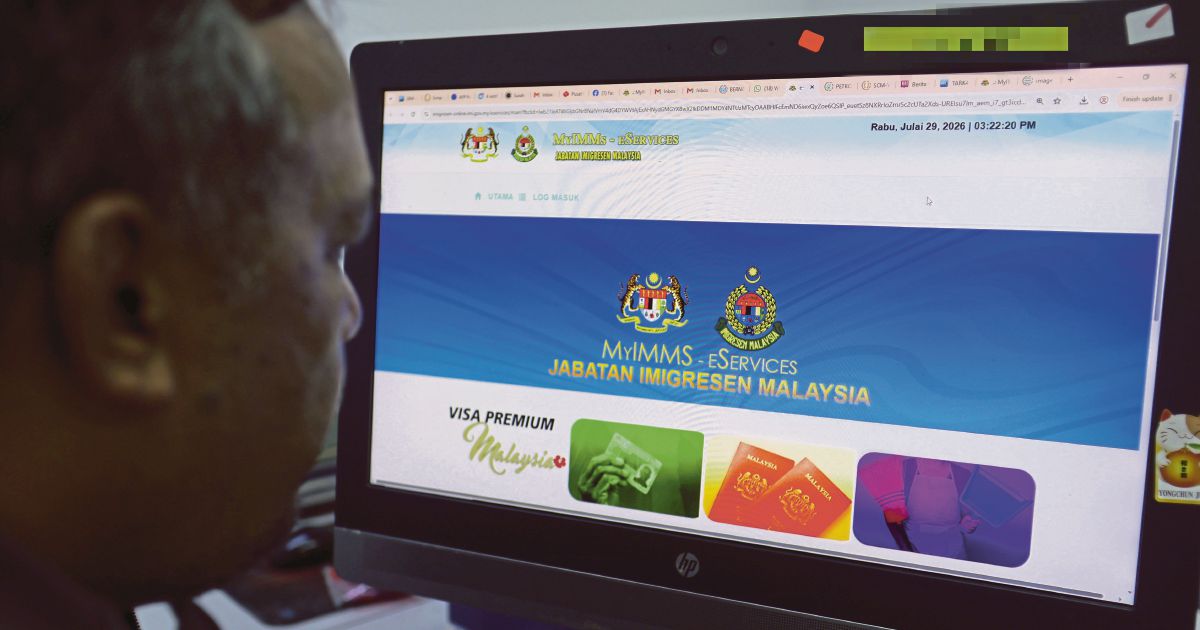
The alleged compromise of Malaysia's Immigration System represents far more than a routine data breach or corruption matter, according to criminological analysis of the incident. The scale and nature of the potential intrusion into MyIMMs—the digital backbone of Malaysia's immigration enforcement—has prompted reassessment of how authorities classify and respond to such attacks, with implications extending across Southeast Asia's broader security architecture.
A compromised immigration system strikes at the heart of a nation's sovereign capacity to monitor and control entry and exit of persons across its borders. Unlike commercial data breaches that may compromise financial information or personal records, unauthorized manipulation of MyIMMs could theoretically alter movement records, enable the unauthorized entry of individuals of concern, or erase audit trails of border crossings. These capabilities directly threaten Malaysia's territorial integrity and law enforcement operations.
The distinction between treating this as cybercrime versus national security carries significant operational consequences. Cybercrime frameworks typically focus on identifying perpetrators, quantifying damages, and recovering data. National security approaches, by contrast, emphasize systemic vulnerability assessment, institutional resilience, remediation timelines, and prevention of future exploitation by state or non-state actors. This reframing suggests the breach warrants involvement of Malaysia's broader security apparatus, not solely the cybercrime units traditionally handling digital incidents.
Border control systems occupy a critical position within state infrastructure globally. Compromised immigration databases have historically been exploited for human trafficking operations, enabled the movement of individuals subject to travel restrictions, and facilitated financing of illicit networks. Malaysia's geographic position as a regional transit hub means any weakness in MyIMMs could reverberate beyond national boundaries, potentially affecting enforcement capacity across ASEAN.
The timing and sophistication of the alleged breach invite scrutiny regarding potential motivations and capabilities. Simple criminal hacking typically targets financial gain or reconnaissance of valuable data. The specific targeting of an immigration system suggests either advanced technical capability or detailed institutional knowledge. This assessment raises questions about whether the breach involved external state-level actors, organized criminal networks, or individuals with internal system access—distinctions that would drive fundamentally different response protocols.
Mysia's immigration system processes millions of transactions annually, creating an enormous repository of personal identification data, biometric information, and movement histories. The convergence of sensitive personal data with critical border control functions means any breach simultaneously threatens individual privacy and collective security. Citizens and residents may face identity theft risks, while the government faces operational compromises affecting its basic regulatory functions.
Investigative approaches differ substantially depending on whether authorities pursue this as cybercrime or national security matter. Cybercrime investigations typically follow evidence preservation protocols designed for eventual prosecution. National security investigations may prioritize identifying exploitation vectors, assessing what systems remain vulnerable, and implementing protective measures—activities that might differ significantly from traditional law enforcement procedures. The choice between frameworks thus affects investigation speed, scope, and ultimate remediation.
Regional implications warrant consideration given ASEAN's interconnected immigration and customs arrangements. Malaysia's immigration system interfaces with regional databases and protocols involving neighbouring states. A compromised MyIMMs could potentially provide adversaries with information relevant to movement patterns across multiple Southeast Asian nations, affecting regional border security and cooperation mechanisms that have been developed over decades.
The incident also highlights the challenge facing developing economies in securing complex digital infrastructure against sophisticated threats. Systems like MyIMMs require constant technical maintenance, regular security audits, and investment in both preventive technology and specialized personnel—resources that compete with other national priorities. Treating immigration system breaches as national security issues may unlock additional funding and institutional attention previously unavailable when classified as routine cybercrime.
Governance structures within Malaysia may require adjustment to ensure rapid response capabilities when critical systems are compromised. Cybercrime units traditionally operate within police frameworks emphasizing investigative prosecution. National security responses typically involve coordination across intelligence agencies, defense ministry, border agencies, and civilian oversight bodies. Establishing clear protocols for recognizing when breaches cross from cybercrime into national security territory, and ensuring seamless handoff between investigative and protective responses, represents an ongoing institutional challenge.
The MyIMMs situation underscores a broader shift in how nations evaluate digital infrastructure threats. Increasingly, security professionals recognize that systems controlling access to territory, managing citizen information, and coordinating state enforcement functions cannot be secured using frameworks designed for commercial data protection. Immigration systems specifically warrant elevated security classification and response protocols reflecting their foundational importance to state sovereignty and public safety.
Moving forward, Malaysian authorities face decisions about not only investigating this specific breach but also reinforcing institutional frameworks for managing future incidents. Elevating immigration system security to national security status signals recognition that border control capacity represents critical infrastructure requiring specialized protection, oversight, and recovery mechanisms distinct from standard cybercrime response. This reorientation, if implemented comprehensively, could strengthen regional security by establishing precedent for how Southeast Asian nations collectively approach threats to essential immigration infrastructure.

