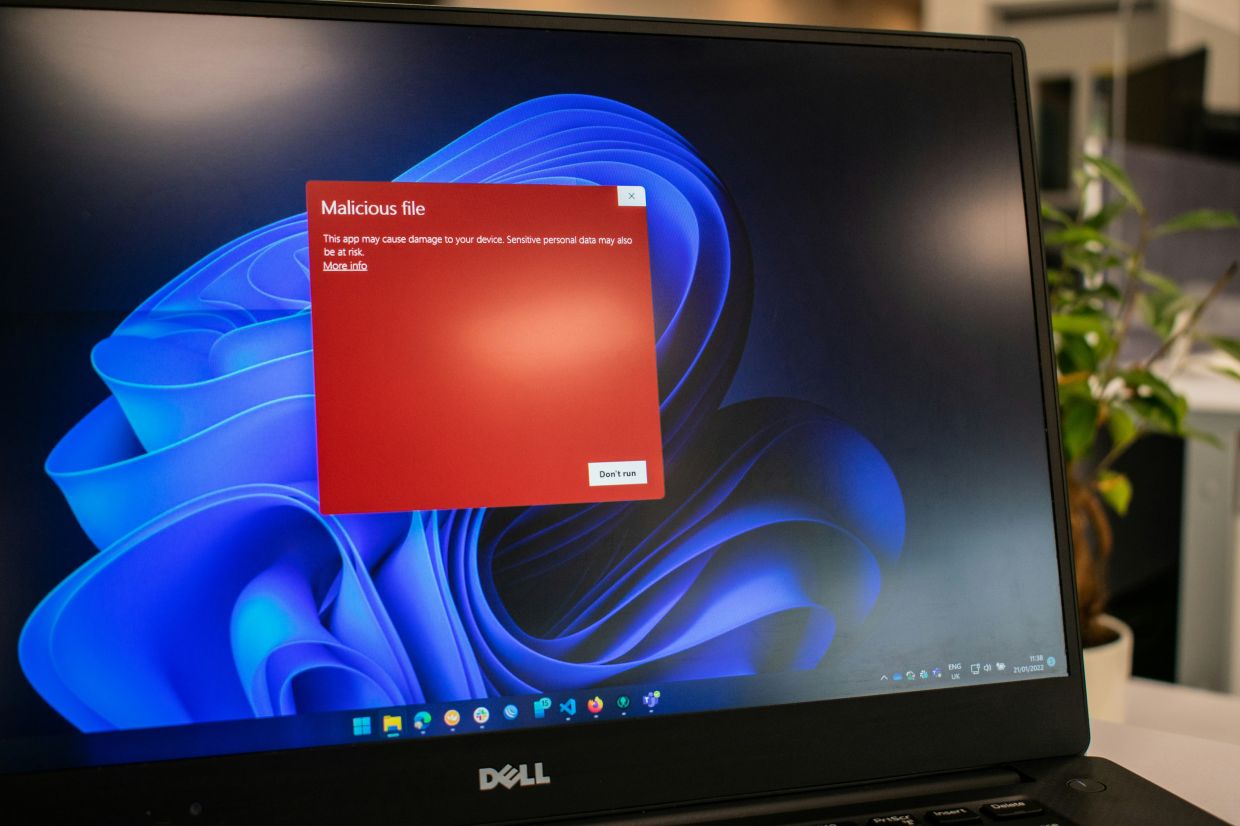
Malaysia's computer emergency response team MyCert has issued an urgent alert regarding a coordinated malware distribution campaign leveraging WhatsApp Web and Desktop platforms to compromise Windows-based systems. The attack employs sophisticated social engineering methods to deceive users into executing malicious files, representing a significant threat to both individual and corporate cybersecurity in the region.
The attack mechanism relies on a deception tactic that exploits users' natural inclination to trust financial and legal communications. Attackers craft messages containing seemingly legitimate attachments with filenames such as "Acknowledgment of Debt.vbs", "Sila semak bil anda.vbs", "December statement of account.vbs", and "Reconciliation.vbs". Despite their innocuous-sounding names and the appearance of authentic documents, these are actually Visual Basic Script files—executable programs capable of running code automatically when opened.
The technical sophistication of this malware lies in its multi-layered approach to compromising system security. When a user opens one of these .vbs files, it triggers an automated execution sequence that downloads and installs a Remote Access Trojan (RAT) onto the infected computer. This RAT grants attackers complete remote control capabilities, allowing them to interact with the compromised system as if they were physically present at the keyboard. Critically, this access persists even after system reboots, establishing a persistent foothold from which attackers can operate with minimal detection.
Beyond simply gaining access, the malware implements additional evasion mechanisms designed to prevent discovery and removal. The RAT actively disables security prompts and notifications that would normally alert users to suspicious activity, enabling attackers to carry out their operations silently in the background. This stealth approach allows threat actors to harvest sensitive information—including passwords, banking credentials, and one-time passwords (OTPs)—directly from the compromised system without triggering antivirus alerts or user awareness.
The implications for Malaysian users are substantial, particularly given the prevalence of WhatsApp usage across the region. The messaging platform's widespread adoption makes it an ideal distribution vector for cybercriminals, as users may lower their guard when receiving messages through a familiar and trusted channel. The targeting of Windows systems is especially concerning given the operating system's dominance in Malaysian workplaces, small businesses, and households, potentially exposing a vast population to compromise.
MyCert's guidance emphasises prevention as the primary defence mechanism against this threat. Users should refrain from opening unexpected file attachments, regardless of how credible the sender or filename appears. This fundamental security practice remains the most effective protection against malware distribution campaigns. Users are also advised against replying to suspicious messages, as doing so merely confirms to attackers that their phone number is active and monitored, potentially leading to escalated targeting.
For those who have inadvertently opened or executed suspicious files, immediate action becomes imperative. The first critical step involves disconnecting the affected device from the internet entirely, severing the attacker's ability to maintain remote access and exfiltrate data. This precaution prevents further compromise and data theft during the remediation process. Users should simultaneously assume that all sensitive information previously entered on the compromised device—including passwords, banking credentials, and security codes—has been exposed to threat actors.
A comprehensive response requires engaging professional cybersecurity expertise rather than relying on standard antivirus solutions. Conventional antivirus scans are unlikely to detect or successfully remove the sophisticated RAT deployed in this campaign, necessitating intervention by specialists equipped with advanced malware analysis and removal tools. This represents a significant cost and disruption to affected individuals and organisations, underscoring the value of preventative measures.
Password management becomes a critical priority following potential compromise. Users should immediately change all passwords associated with accounts that may have been accessed on the infected system, utilising a clean, uncompromised device for this purpose. This reset must be treated as equally critical for banking credentials, email passwords, and any other sensitive access points, as attackers possessing RAT access have likely harvested these authentication credentials.
Corporate users face additional complications, as compromise of workplace devices can expose entire organisational networks to breach. Employees using company equipment must immediately notify their organisation's IT department upon suspecting infection, enabling rapid containment and forensic investigation. The potential for lateral movement within corporate networks transforms individual compromises into enterprise-wide security incidents.
MyCert has established formal reporting channels for affected users through the Cyber999 email address ([email protected]), encouraging affected parties to provide detailed information including the original message, suspicious links, and timestamp of infection. This intelligence gathering effort helps Malaysian cybersecurity authorities track attack patterns, identify threat actor methodologies, and potentially disrupt campaigns at their source.
The campaign exemplifies the evolving sophistication of cyber threats targeting Southeast Asia, where the convergence of widespread messaging app usage, variable cybersecurity awareness, and lucrative financial systems creates an attractive operating environment for attackers. Regional users would be wise to treat this alert not as an isolated warning but as representative of broader threat trends requiring heightened vigilance and investment in cybersecurity fundamentals throughout their digital lives.

