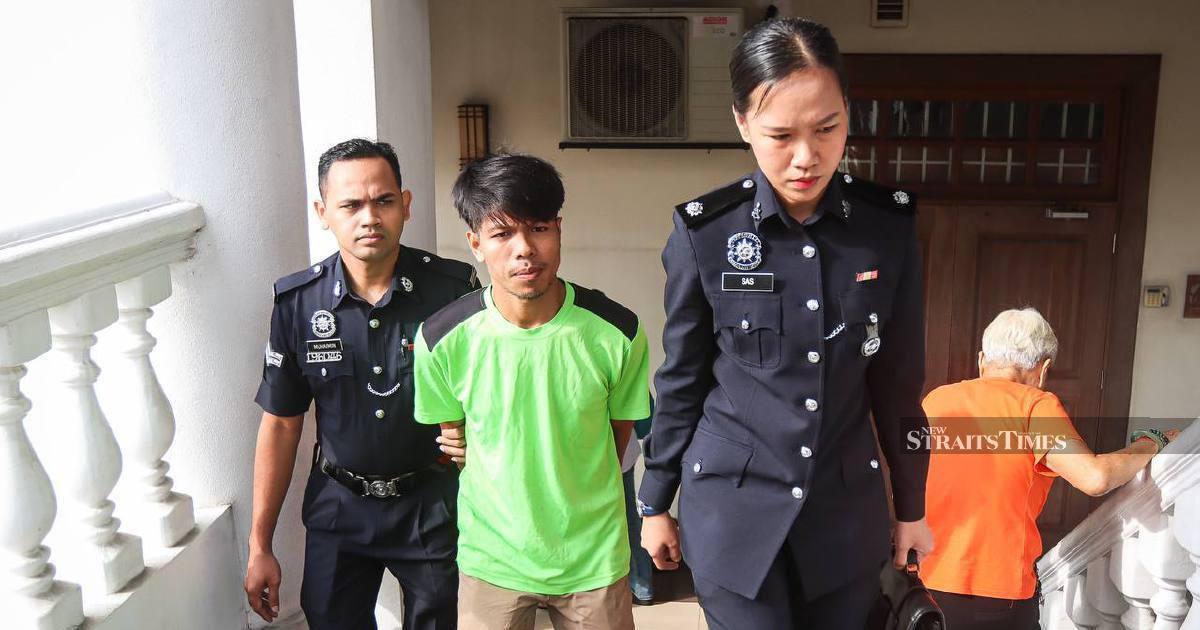
Authorities in Penang have brought formal charges against a Myanmar national working in the hospitality sector following allegations that he sexually assaulted a young Australian child in a public setting. The suspect appeared before the Sessions Court in George Town, where the charge was formally registered against him in connection with an incident that occurred last week at a stall in the island state.
The case has drawn attention to child safety concerns within tourist-heavy areas of Malaysia, where large numbers of foreign visitors and migrant workers create unique security challenges. Penang, as one of Southeast Asia's most popular tourist destinations, attracts families from around the world who rely on local establishments and public spaces for their daily activities. The alleged incident highlights the vulnerability of young children in crowded commercial areas and raises questions about safety protocols at public venues and hospitality establishments.
The victim's nationality has added an international dimension to the matter, likely to prompt inquiries from Australian authorities and potentially draw scrutiny from diplomatic channels. Australian families and travel advisory services monitor such incidents carefully, as they can influence travel patterns and perceptions of safety in the region. Malaysia's tourism industry, which depends significantly on international visitor confidence, faces ongoing pressure to demonstrate robust child protection measures and swift law enforcement responses to allegations involving foreign nationals.
The accused's employment status at a hotel points to employment practices within Malaysia's hospitality sector, where migrant workers from Myanmar and other neighbouring countries comprise a substantial portion of the workforce. Issues surrounding documentation, background checks, and employer accountability have long been subjects of discussion among labour and child protection advocates. The hospitality industry's reliance on temporary and migrant workers sometimes outpaces the development of comprehensive vetting systems, creating potential gaps that require attention.
Sessions Court proceedings in George Town handle serious criminal matters, and the formal charging of this case indicates that investigating officers gathered sufficient evidence to pursue prosecution. The Malaysian legal system provides various avenues for victim support through established social services and court provisions, though access to these services can vary depending on the child's family circumstances and language barriers. Foreign victims and their families navigating the Malaysian judicial process often require additional support from their embassy and specialised organisations.
Child protection in public spaces remains a critical priority across Malaysia. Shopping malls, markets, and tourist precincts require coordinated security measures involving proprietors, local authorities, and community awareness. The incident underscores the importance of parental vigilance even in apparently safe environments and the need for clear reporting mechanisms when concerns arise. Penang authorities have developed victim support protocols, though their effectiveness depends on consistent implementation and adequate resources.
The alleged offence occurred in a stall environment, suggesting the incident took place within a commercial area frequented by the public. Such settings in Penang range from hawker centres to tourist-oriented markets, each presenting distinct security considerations. The accessibility and openness that makes these venues attractive to visitors and customers can simultaneously complicate child safety supervision, particularly during busy trading hours when oversight becomes diffused.
The involvement of a foreign worker has implications for Malaysia's ongoing labour dialogue with Myanmar, a neighbouring country with significant economic ties to Malaysia. Myanmar nationals represent one of Malaysia's largest migrant worker populations, and employment-related incidents require careful handling to maintain bilateral relations while upholding Malaysian legal standards. The outcome of this case will likely influence discussions about worker screening procedures and employer accountability across both countries.
For Australian authorities, the case represents one example among several incidents involving their citizens abroad, prompting periodic reviews of travel guidance and consular support mechanisms. The Australian High Commission in Kuala Lumpur typically monitors cases affecting their citizens and coordinates with Malaysian authorities to ensure procedural fairness and appropriate legal representation. The family's access to consular assistance can significantly affect their experience navigating the Malaysian court system.
The broader context of this charge reflects Malaysia's commitment to prosecuting serious offences while highlighting ongoing challenges in child protection implementation across diverse public environments. Victims of assault, particularly very young children, require trauma-informed support extending well beyond the courtroom, including medical assessment, psychological counselling, and family assistance services. Coordination between police, child protection agencies, and health services remains essential for comprehensive victim support.
Penang's development as a major regional hub means continued attention to security standards and enforcement consistency. Local and state authorities recognise that visitor safety and resident protection are interconnected objectives that require sustained investment in training, technology, and inter-agency cooperation. This incident will likely prompt reviews of existing protocols at similar venues and renewed emphasis on reporting mechanisms for public awareness.

