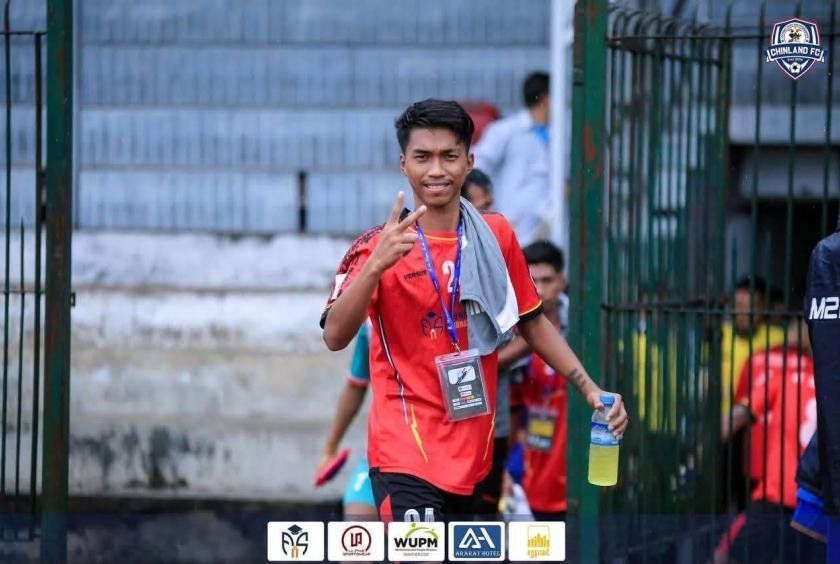
Chinland FC announced on the evening of August 29 that Pa Lung, a player who had vanished without trace a week prior, had been located safely and had returned to the club following an urgent family matter. The footballer's unexplained absence had sparked considerable concern within the organisation and prompted an intensive search operation involving multiple stakeholders across Myanmar's football hierarchy and law enforcement agencies.
According to Chinland FC's statement released through their Facebook page, Pa Lung had departed abruptly to his hometown after learning of his mother's serious health emergency. The sudden nature of his departure meant he was unable to formally notify club management before leaving, setting in motion a chain of events that would culminate in a coordinated search effort spanning five days. His inability to maintain communication with the club stemmed from practical difficulties encountered during his journey—specifically, his mobile phone battery became depleted, and he subsequently faced additional obstacles in attempting to re-establish contact with team officials.
The club's response to the situation demonstrated a methodical approach to player welfare. Once it became apparent that Pa Lung had genuinely gone missing, Chinland FC promptly filed an official missing-person report with the local police station. Club officials mobilised resources to conduct an active five-day search operation, but as days passed without any breakthrough in locating him or establishing communication, concern about his safety intensified significantly. The absence of any credible information regarding his whereabouts prompted the organisation to escalate the matter by issuing a public appeal for assistance, enlisting the help of supporters, the general public, and relevant authorities in the search effort.
The successful resolution of the situation reflects the coordinated response from Myanmar's football establishment and government agencies. Chinland FC acknowledged in its statement that numerous parties played a role in ultimately locating Pa Lung safely. The Myanmar Football Federation (MFF) and Myanmar National League (MNL) provided institutional support, while the Myanmar Police Force conducted official investigative work. Beyond these formal channels, media organisations amplified public awareness of the missing player, and various responsible personnel from relevant organisations contributed to the search.
For Malaysian readers and Southeast Asian football enthusiasts, this incident underscores the vulnerabilities that young athletes in developing football systems can face when family crises intersect with their professional commitments. In Myanmar's context, where communication infrastructure remains inconsistent in certain regions and where family emergencies may necessitate rapid travel, the challenge of balancing personal obligations with professional responsibilities becomes particularly acute. The case also highlights how football clubs across the region are increasingly recognising their duty of care toward players extends beyond training grounds and match days.
The relief expressed by Chinland FC in their official statement conveys the genuine distress that the club and wider Myanmar football community experienced during the seven-day period of uncertainty. Such incidents, while occasionally occurring in professional sports environments globally, carry particular weight in emerging football markets where player safety protocols and crisis management procedures are still being developed and standardised. The club's detailed public accounting of events suggests an effort to rebuild trust with stakeholders who had been worried about Pa Lung's welfare.
The incident also reveals the critical importance of robust communication systems within sports organisations. Had Pa Lung possessed a backup method of contacting the club or had established protocols been in place for emergency situations, the week-long search might have been avoided. This represents a valuable lesson for football clubs across Southeast Asia, particularly those in Myanmar, where implementing redundant communication channels could prevent similar distressing situations in future.
Myanmacyberspace observers noted that the public appeal mechanism proved effective in this case, demonstrating how mobilising community awareness through social media and traditional channels can generate practical results. The involvement of the Myanmar Police Force, MFF, and MNL indicates that football-related welfare matters now command serious institutional attention at the national level, reflecting a maturation of governance within the sport.
Chinland FC's comprehensive gratitude expressed toward all involved parties—from federation officials to individual supporters who shared information—emphasises how resolution of such cases depends on networked cooperation rather than any single entity's efforts. This collaborative approach mirrors best practices in player welfare emerging across Southeast Asian football, where transparency and coordination among clubs, authorities, media, and communities are increasingly seen as essential components of responsible sports management.
Looking forward, the incident serves as a catalyst for discussions about formalising emergency protocols within Myanmar's football system. Clubs may consider implementing enhanced communication systems, emergency contact procedures, and family crisis leave policies that balance player welfare with professional obligations. For Malaysian observers, the case reflects broader regional challenges in professionalising football administration while maintaining responsiveness to the human circumstances that athletes navigate alongside their sporting careers.

