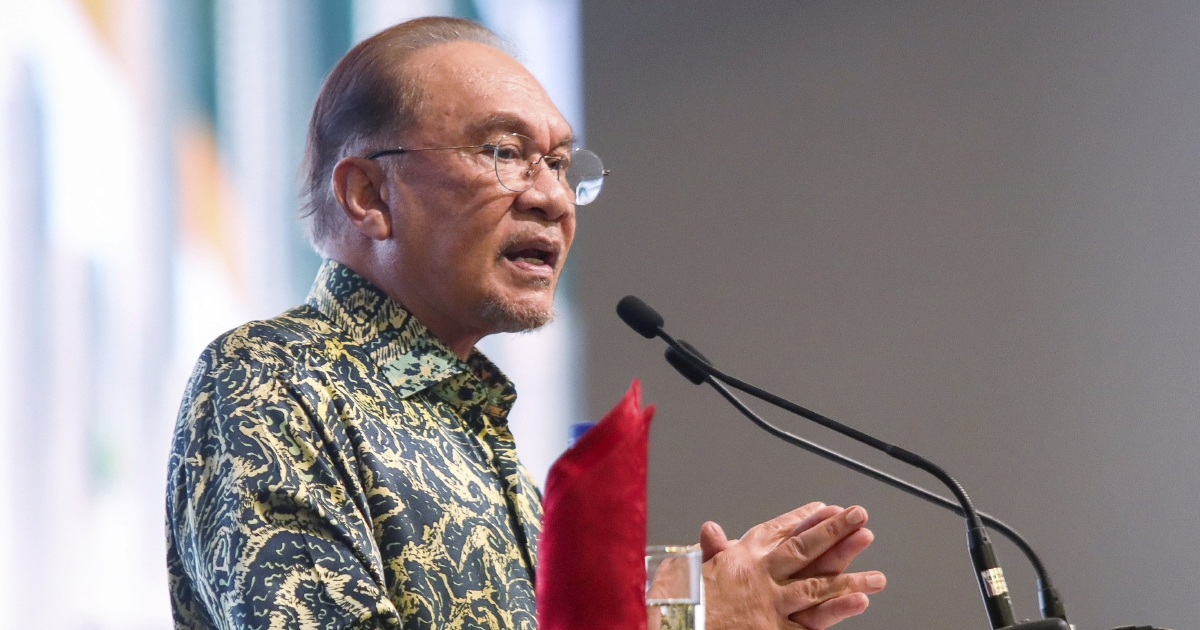
Prime Minister Datuk Seri Anwar Ibrahim announced a significant diplomatic breakthrough on Wednesday, revealing that Myanmar has consented to receive 5,000 Rohingya refugees currently sheltering in Malaysia. The agreement emerged from direct negotiations between the two governments and marks a pivotal moment in addressing one of Southeast Asia's most intractable humanitarian challenges. Anwar made the disclosure while campaigning in Jelebu, underscoring the government's commitment to resolving the mounting pressure of housing an estimated 180,000 Rohingya within Malaysian borders.
The Rohingya crisis has persisted for nearly a decade, stemming from Myanmar's military crackdown in Rakhine State beginning in 2017. That offensive displaced roughly 700,000 people, with the majority fleeing to neighbouring Bangladesh. Malaysia, a non-signatory to the UN Refugee Convention, has absorbed a disproportionate share of these stateless individuals, straining its social services and provoking periodic public tensions. The incoming repatriation arrangement represents the first coordinated, large-scale effort to reverse this demographic shift and relieve pressure on Malaysia's already-stretched humanitarian infrastructure.
The specifics of the agreement remain partially opaque at present. Malaysian authorities have not disclosed timelines for the movement of the initial 5,000 refugees, nor have they elaborated on whether additional tranches of repatriation might follow the first cohort. The silence on implementation mechanics is typical of early-stage bilateral accords, which often require months of logistical preparation before actual population transfers commence. Both governments will likely need to establish monitoring protocols, ensure safe passage, and coordinate reception arrangements within Myanmar before movement begins in earnest.
The Myanmar government's acceptance of Rohingya returnees carries profound symbolic weight. For years, authorities in Naypyidaw have been ambivalent about facilitating the homecoming of the displaced minority group, citing security concerns and questioning refugees' claims to Myanmar citizenship. International observers have raised alarm about conditions in Rakhine State, documenting ongoing discrimination and restrictions on movement affecting remaining Rohingya populations. The willingness to accept repatriates suggests a shift in official thinking, though questions linger about the adequacy of conditions awaiting returnees and their legal status upon arrival.
Regional dynamics will inevitably influence the repatriation process. Bangladesh, which hosts nearly 1 million Rohingya across sprawling camps in Cox's Bazar, faces comparable urgency in addressing refugee pressures. Malaysia's initiative may encourage Dhaka to pursue parallel arrangements with Myanmar, potentially opening a multilateral pathway for resolving displacement across the region. Thailand and Indonesia, which have also absorbed significant Rohingya populations, might similarly negotiate return frameworks with Naypyidaw, though neither country has signalled immediate intention to do so.
The announcement carries electoral implications for Malaysia's ruling coalition, which has faced periodic backlash from sections of the domestic population resenting the refugee presence. Anwar's timing in disclosing the agreement at a campaign rally suggests the government views repatriation as a politically advantageous achievement. Opposition figures and anti-refugee activists may, however, demand faster implementation and larger numbers, potentially creating political pressure for accelerated timelines that exceed practical capacity. Balancing domestic political appetites with humanitarian obligations and international scrutiny will test the government's resolve throughout the process.
International humanitarian organisations have long maintained that repatriation is only viable when conditions in Myanmar genuinely improve and returnees receive assurances of safety, property restoration, and legal protections. The UN Refugee Agency and human rights groups will likely scrutinize this agreement to ensure it does not compel departures under duress or transfer vulnerable populations to unsafe destinations. Transparency regarding the voluntary nature of participation will be crucial for legitimacy, as will mechanisms enabling refugees to refuse return without penalty.
The economic dimensions warrant consideration as well. Malaysia bears significant costs in maintaining refugee camps, providing education and healthcare services, and policing areas with dense Rohingya populations. Successful repatriation would reduce these expenses and free resources for other social programmes. Conversely, Myanmar's reception of 5,000 individuals requires infrastructure investment in Rakhine State, housing construction, and livelihood support—expenses the economically-strained Myanmar government may struggle to bear, potentially necessitating international donor assistance.
The agreement also reflects evolving diplomatic relations between Kuala Lumpur and Naypyidaw. Myanmar's military junta has gradually engaged Malaysian officials despite international isolation over the 2021 coup. This repatriation accord suggests both nations see mutual benefit in cooperation on refugee matters, even as Myanmar's political situation remains volatile. Should Myanmar's political landscape shift—whether toward greater democratisation or intensified authoritarianism—the repatriation arrangement could face pressure or revision.
Looking forward, implementation will determine the accord's success. If the first 5,000 Rohingya successfully return and receive adequate support, subsequent phases may accelerate. If logistical or security problems emerge, momentum may falter. The coming months will require sustained diplomatic engagement, international monitoring, and careful coordination between Malaysian and Myanmar authorities to translate this announcement into tangible humanitarian progress. For Malaysia's 180,000 Rohingya and the broader regional refugee crisis, the outcome carries consequences extending far beyond bilateral relations.

