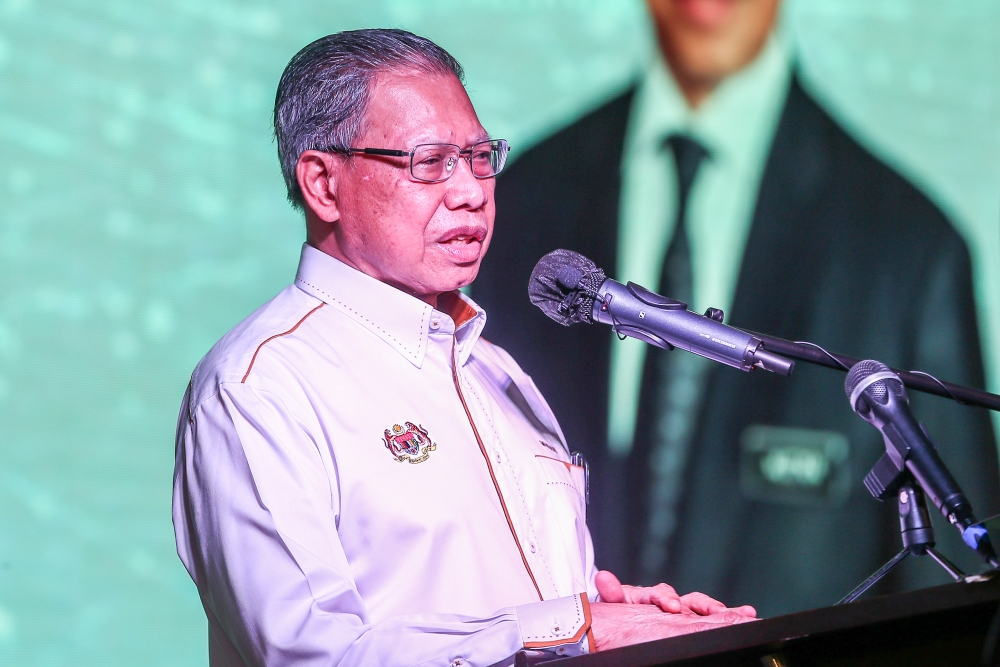
Datuk Seri Mustapa Mohamed, the veteran politician who has represented Jeli for decades, has definitively closed the door on any political comeback, declaring at 76 years old that he will not seek re-election in the next general election. Speaking in his Pasir Mas constituency, the former Member of Parliament emphasised his conviction that the time has come for a fresh cohort of leaders to shoulder the responsibilities of steering the nation's political landscape.
Mustapa's announcement represents a significant moment in Malaysian politics, particularly within Kelantan's political establishment, where his long tenure has made him a towering figure. His decision to step back deliberately contrasts with patterns seen across Malaysian politics, where senior figures often cling to electoral ambitions well into their later years. By publicly signalling his retirement intentions well ahead of the election cycle, Mustapa is providing his party with advance notice to prepare succession strategies and identify potential candidates who can build on his political legacy.
The former MP's call for younger leaders to assume greater responsibilities carries particular weight given his seniority and extensive experience navigating Malaysia's complex political landscape. His intervention in the succession debate suggests growing awareness within the establishment that demographic shifts and changing voter preferences demand fresh perspectives. Mustapa's willingness to voluntarily step aside sends a message that senior politicians should consider their role not merely as individual office-holders but as custodians of institutional renewal.
Kelantan, where Mustapa has maintained substantial political influence, stands at a critical juncture. The state has long been a stronghold for particular political formations, and leadership transitions here often reverberate through regional and national politics. Mustapa's retirement announcement will likely trigger intense speculation about who might succeed him and what this could mean for the political balance within Kelantan and neighbouring constituencies. The vacuum left by such veteran figures can either invigorate or destabilise party structures, depending on how effectively succession planning is executed.
In the broader Malaysian context, Mustapa's statement arrives as the nation anticipates the timing of GE16, though no official date has been announced. Political observers note that the interregnum between elections creates opportunities for both renewal and stagnation. Senior politicians who voluntarily withdraw create space for new faces; those who resist create bottlenecks. Mustapa's position suggests he favours the former approach, implicitly critiquing any tendency toward gerontocratic entrenchment within Malaysian politics.
The generational question that Mustapa raises touches on fundamental governance challenges. Malaysian voters across age groups have increasingly expressed interest in leaders who understand contemporary concerns—digital economy issues, climate adaptation, cost-of-living pressures, and skills development for emerging sectors. Younger politicians, assuming they are properly mentored and equipped, may be better positioned to address these priorities authentically. Mustapa's call acknowledges this reality without suggesting that age alone determines political capability.
However, Mustapa's retirement also highlights a paradox within Malaysian politics. While calls for youth leadership are routine, institutional barriers often prevent younger candidates from securing winnable seats or high-profile party positions. Voluntary withdrawals by senior politicians create necessary conditions for succession but are not sufficient. Parties must actively construct pathways that allow younger politicians to gain experience, build constituencies, and demonstrate competence before being thrust into national roles.
The timing of Mustapa's announcement, made during a visit to his constituency, underscores the personal and communal dimensions of his decision. Pasir Mas constituents and party members will now focus on identifying and building consensus around potential successors. This process, if handled transparently and inclusively, can strengthen democratic institutions and inject renewed energy into local political structures. If mishandled, it can trigger internal conflicts that weaken party cohesion.
Mustapa's statement may also influence how other senior Malaysian politicians approach their own electoral futures. His example demonstrates that stepping aside early, with clear messaging about supporting younger leaders, can allow politicians to exit on terms that preserve their legacy and contributions. Conversely, those who resist retiring often face acrimonious exits or are remembered primarily for their inability to accept changing times. Mustapa appears to be choosing the former path.
The implications for Southeast Asian politics more broadly deserve attention. Many nations in the region struggle with leadership succession, with aging political figures maintaining power through various mechanisms. Mustapa's approach, whether motivated by conviction or necessity, offers a model—however incomplete—for voluntary transition. Whether his call will be heeded by younger politicians and party structures, however, remains an open question that will unfold across Malaysia's electoral cycles.
As Malaysia approaches the next general election, Mustapa Mohamed's retirement opens a chapter of renewal, conditional on whether political parties and systems prove capable of translating such opportunities into substantive generational change. His willingness to step aside gracefully while championing younger leadership provides a framework, yet implementation will determine whether his retirement truly catalyses the institutional refreshment the nation requires.

