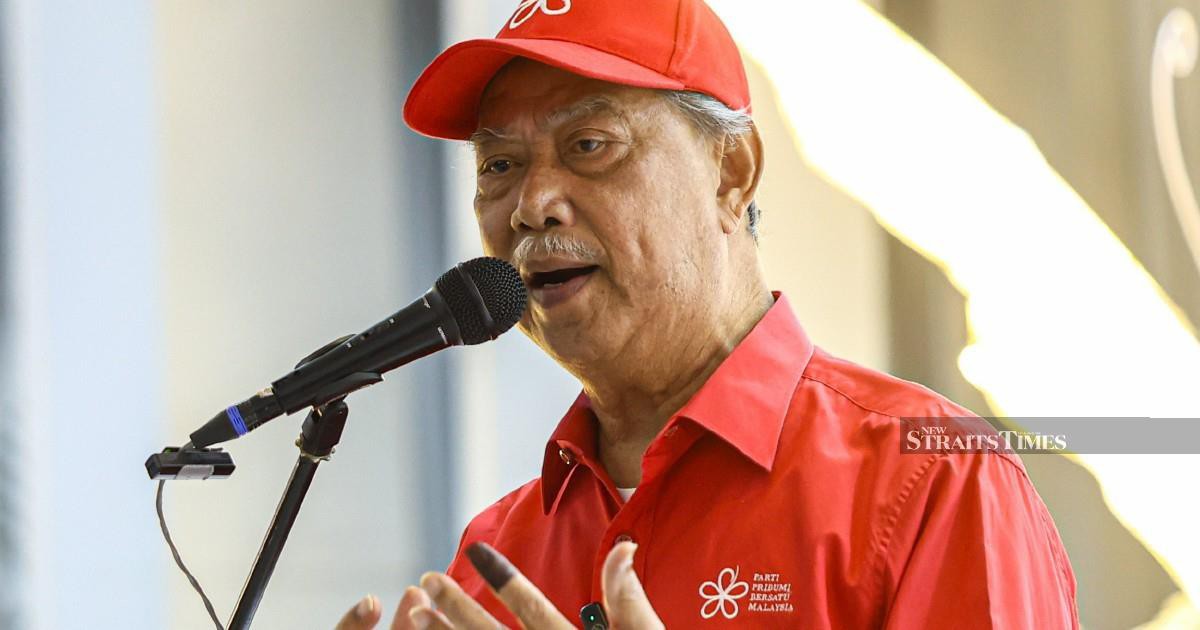
Bersatu president Tan Sri Muhyiddin Yassin is pushing for an extension of the planned parliamentary sitting dedicated to discussing the Royal Commission of Inquiry findings into Lembaga Tabung Haji, arguing that the allocated time is insufficient for comprehensive legislative scrutiny. The opposition leader believes that lawmakers require additional days beyond the current schedule to thoroughly examine and debate the commission's conclusions about the Islamic pilgrimage fund.
The Royal Commission of Inquiry into Tabung Haji has been a significant undertaking, tasked with investigating the management and operations of the nation's primary hajj savings scheme. The body's findings carry substantial implications not only for the millions of Malaysian Muslims who have entrusted their pilgrimage savings to the institution, but also for questions surrounding financial governance and accountability within major state-linked organisations. The anticipated report is expected to shed light on past controversies and operational challenges that have dogged the lender in recent years.
Muhyiddin's appeal for extended debate time reflects broader concerns within parliament about the adequacy of discussion periods allocated to matters of public importance. By seeking a minimum two-day extension, he is signalling that the scope and complexity of the RCI findings warrant more than cursory treatment during parliamentary proceedings. This position resonates with calls from various quarters for greater legislative rigour when examining reports of this magnitude and significance.
The Tabung Haji institution holds particular resonance across Malaysia's Muslim-majority population, with millions of members who have contributed savings designated specifically for the hajj pilgrimage. Over decades, the fund has accumulated substantial resources, making it one of the largest financial institutions in the country dedicated to a specific community need. Any findings concerning its management practices, investment strategies, or governance frameworks directly affect the financial interests and religious obligations of this vast constituency.
Parlimentary debates on major commission reports serve multiple functions within Malaysia's democratic system. They provide an opportunity for elected representatives to engage with detailed factual findings in the public record, allow for legislative scrutiny of government and institutional responses, and create space for diverse perspectives to be aired and contested. When time constraints compress these discussions, there is an inherent risk that critical points may be overlooked or inadequately examined, particularly given the competing demands on parliamentary timetables.
The timing of Muhyiddin's intervention also carries political undertones. As opposition leader, pressing for more thorough parliamentary examination of government-related institutions can serve both as a substantive governance concern and as a means of maintaining pressure on the ruling administration. However, the underlying argument about allowing sufficient time for meaningful debate remains valid irrespective of political positioning. The RCI process itself typically involves extensive investigation and expert analysis, justifying proportionate parliamentary discussion.
Lembaga Tabung Haji has faced various operational and financial challenges in recent years that have attracted regulatory attention and public concern. These issues have ranged from investment performance questions to governance structure debates, making a comprehensive inquiry appropriate and necessary. The RCI's investigation would have examined historical records, management decisions, and systemic weaknesses that contributed to any documented problems. Consequently, the parliamentary debate should allow legislators to understand not merely the findings themselves but the contextual factors and causal chains that the commission identified.
For Malaysian and Southeast Asian observers of legislative practice, the question of adequate parliamentary time reflects broader regional debates about the effectiveness of legislative institutions in scrutinising executive and institutional power. Many parliaments across the region struggle with time management and the prioritisation of competing business. Muhyiddin's call highlights this recurring tension and the need for institutional reform that ensures important matters receive proportionate attention.
The request also underscores the importance that parliamentary oversight mechanisms maintain in Malaysia's governance architecture. Even as the executive and independent commissions conduct investigations and inquiries, the legislature remains the forum where findings are publicly tested, debated, and where appropriate legislative responses can be formulated. Without adequate time for this deliberation, the transparency benefits of conducting such inquiries are diminished.
Beyond the immediate parliamentary logistics, the extended debate would likely generate significant media coverage and public discourse around Tabung Haji governance. This heightened scrutiny can reinforce accountability mechanisms and signal to institutional leaders that performance standards are monitored at the highest levels. For Tabung Haji members across the country, extended parliamentary discussion would provide reassurance that their concerns are being taken seriously by their elected representatives.
The outcome of Muhyiddin's proposal will depend on consultation between parliamentary leadership, the government, and major caucuses within the legislature. While some may view extended sittings as logistically burdensome, the counterargument that matters affecting millions of Malaysians merit comprehensive discussion carries considerable weight. This remains one of the substantive debates about institutional capacity and democratic quality that Malaysian parliament periodically revisits.

