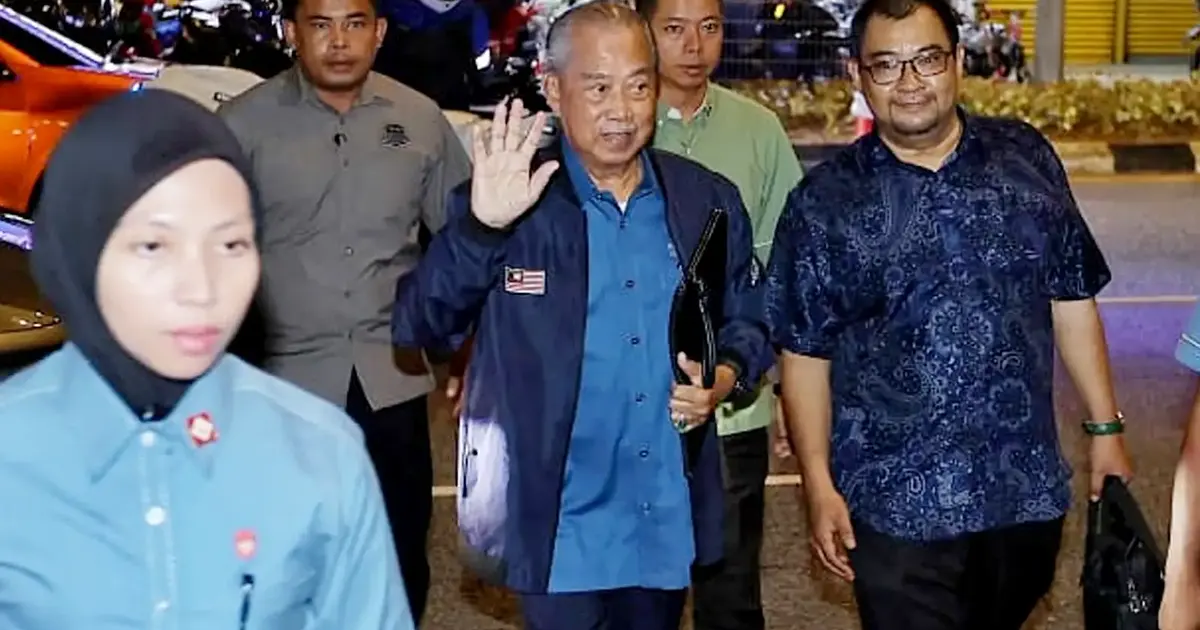
The political landscape of Malaysia's opposition coalition faced a critical juncture as Tan Sri Muhyiddin Yassin convened an emergency gathering of Perikatan Nasional leaders to navigate the fallout from PAS's unexpected decision to sever its ties with Bersatu. The hastily arranged session represented the coalition's first concerted response to a move that fundamentally reshapes the bloc's composition and strategic outlook heading into future electoral contests.
Peikatan Nasional, once positioned as a formidable alternative to the ruling Pakatan Harapan administration, has encountered significant strain in recent months as its component parties grapple with divergent interests and competing political agendas. PAS's determination to exit the arrangement underscores deeper fissures within the opposition framework, forcing remaining members to confront uncomfortable questions about the coalition's viability and coherence as a unified political force.
The timing of PAS's departure carries particular significance within Malaysia's fractious political ecosystem, where coalition management has repeatedly proven challenging. The Islamic party's withdrawal leaves Bersatu, traditionally viewed as the partnership's anchor, facing the dual challenge of maintaining internal stability while reassessing its role within a reconfigured Perikatan Nasional. This dynamic places Muhyiddin in the unenviable position of managing expectations among remaining coalition partners while exploring possible reconstruction strategies.
Bersatu's standing within the coalition now commands immediate scrutiny and strategic recalibration. The party, which emerged from a fractious UMNO split and has consistently sought to position itself as a moderate Islamic-nationalist force, must determine how to sustain its relevance when its largest ideological ally has opted for independent political action. This predicament forces serious reflection on whether the coalition can function effectively as a two-pillar arrangement or whether additional organisational restructuring may be required.
The emergency session reflects Muhyiddin's determination to prevent the coalition from collapsing into irrelevance following PAS's departure. His track record as both former Prime Minister and opposition strategist suggests he will attempt to forge a coherent narrative around Perikatan Nasional's continued purpose and potential electoral competitiveness. However, the calculus of Malaysian coalition politics demonstrates that maintaining unity becomes exponentially more difficult once major components begin fragmenting.
For Malaysian voters and political observers, the gathering signals that Perikatan Nasional's trajectory remains deeply uncertain. The coalition's original formation rested partly on shared opposition to Pakatan Harapan governance, but without clear policy differentiation or programmatic coherence, such negative motivations prove insufficient to sustain long-term political alignment. PAS's strategic reassessment may indicate the party leadership recognises this fundamental weakness and prefers to pursue an independent stance rather than invest further energy in a potentially unstable arrangement.
Regional implications extend beyond Malaysia's domestic politics. Southeast Asia's broader political environment increasingly features fragmented opposition coalitions struggling to maintain organisational discipline, and how Perikatan Nasional navigates this moment may offer instructive lessons for neighbouring countries. Coalition-building across ideological lines remains inherently fragile, particularly when component parties maintain distinct organisational cultures and electoral bases.
Bersatu's response to this crisis will substantially influence its own political future and broader opposition prospects. The party must decide whether to intensify efforts to preserve Perikatan Nasional as a functional coalition or gradually pivot toward alternative political arrangements. Either path carries significant risks and requires careful negotiation with remaining coalition partners and potential new allies. Muhyiddin's willingness to convene emergency meetings suggests the party leadership recognises the stakes involved and believes some salvageable framework remains.
The meeting's outcomes will be closely monitored not only by political analysts but also by other opposition-aligned parties considering their own coalition strategies. Should Perikatan Nasional demonstrate capacity to adapt and restructure following PAS's departure, it may encourage remaining skeptics to maintain their commitment. Conversely, if the emergency session fails to produce credible reassurance about the coalition's future, additional defections become conceivable, potentially triggering a cascade effect that substantially weakens the entire opposition enterprise.
Malaysia's opposition politics has historically suffered from chronic instability rooted in personality-driven rivalries and competing institutional interests. Perikatan Nasional was partially designed to transcend these limitations by creating a more disciplined, ideologically coherent alternative to the ruling government. PAS's departure suggests this ambition remains unfulfilled and that fundamental structural weaknesses continue to undermine coalition cohesion. How Muhyiddin and Bersatu leadership respond to this setback will determine whether Perikatan Nasional evolves into a more resilient political entity or continues fragmenting into competing power centres pursuing mutually contradictory agendas.