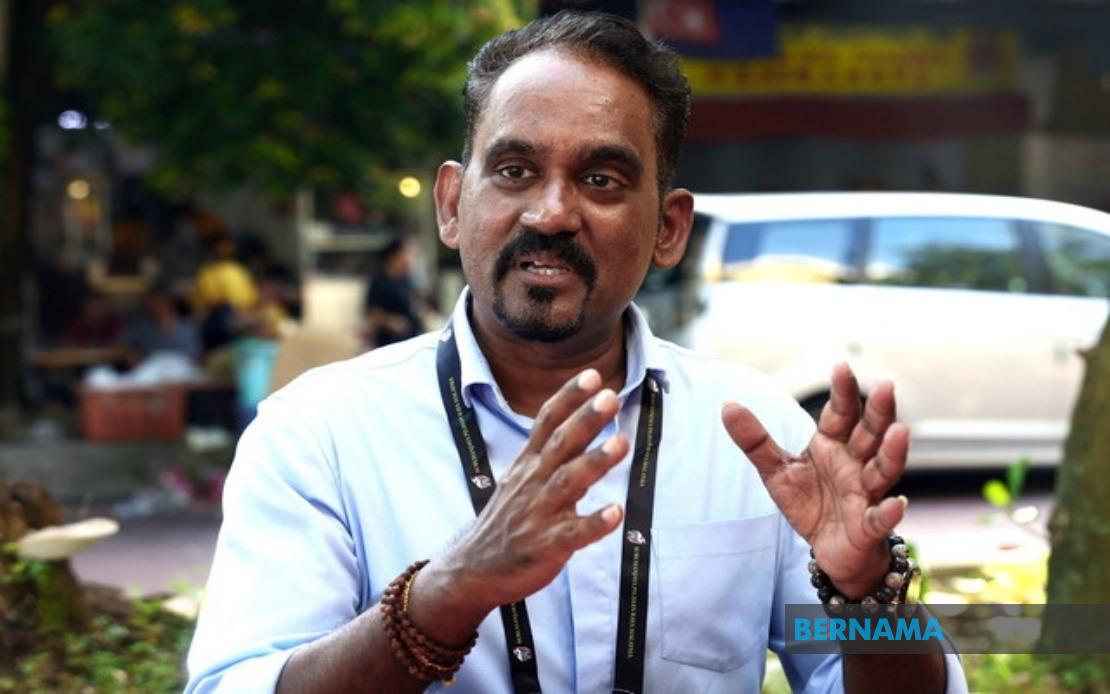
With the 16th Johor state election just over a week away, Malaysian United Democratic Alliance (MUDA) is positioning itself to make significant gains in the industrial heartland of Johor, where candidate M. Premanand is mounting an energetic campaign for the Bukit Batu seat. The 53-year-old first-time state election hopeful has expressed robust confidence that his constituency could replicate MUDA's earlier success in Puteri Wangsa, potentially opening a new chapter for the reform-minded party in one of Malaysia's most politically significant states.
Premanand's optimism stems from what he perceives as a groundswell of public appetite for the kind of transparent governance and integrity-focused politics that MUDA has championed since its formation. He frequently references the credibility and relentless advocacy of party founder Syed Saddiq Syed Abdul Rahman, whose personal brand of dedicated public service despite adversity has become central to MUDA's electoral messaging. This emphasis on clean politics and institutional transparency represents a calculated attempt to differentiate the party in a crowded political marketplace where voters increasingly view corruption and opacity as pressing national concerns.
The candidate believes his own profile as a longtime Kulai resident offers distinct advantages in securing electoral support. His background spanning training and organisational development consulting across various Malaysian industries provides him with demonstrable expertise in workforce development—a credential he plans to leverage aggressively in the campaign's final days. Beyond personal credentials, Premanand has identified a critical skills-employment mismatch affecting the local youth population, a vulnerability he intends to address through targeted job creation initiatives should voters grant him the mandate.
Employment and wage adequacy feature prominently in Premanand's development platform for Bukit Batu. He has articulated frustration with the prevailing wage gap between Malaysian industry standards and what workers actually earn, a situation he suggests compels many Johor residents to seek employment across the causeway in Singapore rather than within their home state. His vision encompasses revitalising local employment prospects through wage enhancement initiatives, with ambitions to position Bukit Batu as a model constituency for equitable compensation within Johor and potentially across Malaysia. This jobs-focused messaging resonates with a constituency where manufacturing, logistics, and light industrial sectors dominate the employment landscape.
Flooding represents another significant plank in Premanand's constituency agenda, reflecting the genuine vulnerability of low-lying areas within Bukit Batu to seasonal inundation. He has committed to strengthening flood mitigation infrastructure and enhancing drainage systems, positioning disaster resilience as integral to his broader vision of improved living standards. This attention to infrastructure resilience carries particular weight in Johor, where periodic flooding has disrupted economic activity and displaced families, making it a legitimate electoral concern.
The electoral contest itself is notably fragmented, featuring five competing candidates across the political spectrum. Barisan Nasional's established machinery faces a challenge from Pakatan Harapan's Arthur Chiong Sen Sern, while Parti Bersama Malaysia's G. Tamili and Independent Datuk Kamaruzaman Ali complete the slate alongside Premanand. This five-way split potentially benefits MUDA by fragmenting anti-incumbency votes and allowing a disciplined, focused campaign to consolidate support among voters seeking alternatives to conventional political alignments.
MUDA's electoral trajectory in Johor warrants careful observation given the state's outsized importance within Malaysian politics. Johor has historically served as a political bellwether, with outcomes often foreshadowing broader national trends. A successful MUDA performance in Bukit Batu would signal that the party has successfully broadened its appeal beyond urban, younger demographics into established industrial working-class constituencies—a critical expansion for any political force aspiring to national relevance. Conversely, failure to break through would suggest the party's reform messaging, while popular in certain quarters, has yet to achieve sufficient penetration among economically vulnerable voter cohorts.
The timing of Johor's state election within Malaysia's broader political calendar adds strategic weight to the proceedings. With federal elections potentially approaching within the next 24 months, state-level performances will influence coalition calculations and provide valuable data about voter sentiment on fundamental governance questions. MUDA's performance in seats like Bukit Batu will help determine whether the party can credibly position itself as a coalition partner capable of delivering meaningful electoral support rather than merely serving as a protest vote repository.
Premanand's personal narrative of a locally embedded professional with genuine expertise in workforce development departs somewhat from MUDA's traditional appeal to young, educated urban professionals. This diversification of candidate profiles suggests the party is consciously attempting to broaden its electoral coalition and demonstrate viability across social strata. Whether this strategic repositioning succeeds in a competitive five-way contest will provide important lessons for MUDA's national expansion plans.
Early voting commenced on July 7, with the main polling day scheduled for July 11, giving campaigns precious final days to mobilise supporters and consolidate undecided voters. For Premanand and MUDA, the Bukit Batu contest represents both an immediate electoral objective and a longer-term statement about the party's capacity to compete effectively in Malaysia's evolving political landscape. The outcome will reverberate well beyond Johor's borders, influencing perceptions of MUDA's national viability and the appetite among Malaysian voters for alternatives to established political powerhouses.

