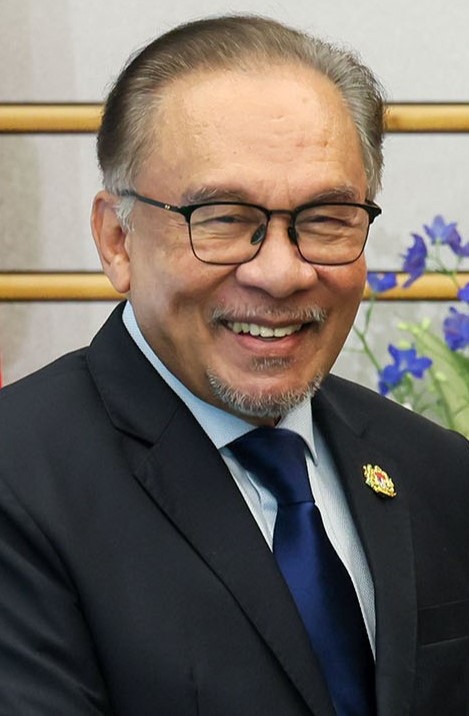
Muar's Member of Parliament, Syed Saddiq Syed Abdul Rahman, has announced plans to dedicate RM115,000 garnered through fresh employment outside his parliamentary duties directly to the wellbeing of his constituents and the advancement of the Muar parliamentary constituency. The decision underscores the politician's commitment to reinvesting his income from supplementary work into tangible community benefits rather than personal enrichment, a stance that reflects growing scrutiny surrounding lawmakers' external commercial activities and their alignment with public interest obligations.
The commitment to earmark these earnings demonstrates a particular approach to managing multiple income streams—one increasingly common among Malaysian parliamentarians who balance legislative responsibilities with professional pursuits. For a constituency like Muar, additional funds directed toward grassroots initiatives, infrastructure improvements, or welfare programmes can have material impact on residents' daily lives. The allocation signals recognition that constituency work demands consistent financial commitment beyond basic parliamentary allowances, a reality many MPs face when addressing localised community needs that fall outside official government budget allocations.
Syed Saddiq's declaration comes amid broader conversation in Malaysia regarding how elected representatives balance personal economic advancement with public service obligations. The transparency of this pledge—making public the quantum of earnings and how they will be deployed—represents a form of voluntary accountability that sets benchmarks for other legislators to consider. In an era where public trust in political institutions remains variable across different demographic groups, such explicit commitments can help rebuild confidence that parliamentarians are conscious of their fiduciary responsibilities to constituents.
The part-time position itself reflects a pattern observed among younger Malaysian politicians who maintain active engagement in professional or commercial domains whilst serving in elected office. This dual-role approach can provide valuable real-world experience and ensure that lawmakers remain connected to economic realities beyond the parliament building. However, it also necessitates careful management to prevent potential conflicts of interest or perceptions that parliamentary duties might be compromised by external commitments. Syed Saddiq's decision to publicly commit funds to constituency use appears designed to mitigate such concerns proactively.
Muar, a constituency located in Johor, has historically benefited from competitive attention among its representatives, given its electoral significance in the state's political landscape. The additional resources being directed toward the constituency could support initiatives spanning education, health awareness, youth development, or infrastructure maintenance—areas where grassroots funding often complements government allocations. Such supplementary support frequently proves crucial in addressing community gaps that might otherwise require lengthy bureaucratic processes to access through formal channels.
For Syed Saddiq specifically, the gesture aligns with his political narrative as a younger-generation leader emphasising innovation and transparency in governance. His previous roles and public positioning have generally emphasised modernisation and accountability within political structures. The decision to publicly declare how he will utilise external earnings fits this broader framework and may serve as a model for other legislators reconsidering how they manage income from non-parliamentary sources.
The allocation of RM115,000 annually represents a substantial commitment that could fund multiple projects or sustained initiatives within the Muar constituency. Whether directed toward scholarship programmes, community infrastructure, skills training, or small business support, the funds offer flexibility for addressing priorities identified through engagement with residents. This approach also mirrors practices in certain other democracies where legislators deliberately reinvest personal income into constituency development, viewing it as an extension of their public service mandate.
However, the sustainability of such personal funding commitments raises questions about long-term planning for constituency development. Whilst immediate allocation of external earnings demonstrates goodwill and commitment, constituencies ultimately require stable, predictable funding mechanisms embedded within government budgeting and official allocations. Syed Saddiq's pledge should therefore be understood as a supplement to—rather than replacement for—adequately resourced formal channels for constituency development and constituent service.
The announcement also reflects awareness among politically active figures that constituents increasingly expect transparency regarding how representatives utilise their income and time. Digital connectivity and social media have elevated expectations around accountability, making public declarations regarding financial commitments more strategically important than in previous decades. For Muar residents, the pledge provides concrete information about how their MP intends to leverage income from his additional employment.
Moving forward, the implementation and visibility of how these funds are deployed will be important for validating the commitment. Regular updates regarding specific projects funded through these earnings, community feedback on their impact, and continued transparency around the part-time role itself will determine whether this initiative becomes a substantive contribution to Muar's development or remains largely symbolic. The effectiveness of such grassroots funding often depends on alignment with actual community priorities and robust project management.
The broader implication of Syed Saddiq's announcement extends beyond Muar to the wider discourse on balancing parliamentary representation with individual economic pursuits. As Malaysia navigates questions about political financing, legislator accountability, and the authentic delivery of public service, such commitments to reinvest external earnings into constituency benefit represent one possible pathway for maintaining public confidence. Whether this approach becomes more widespread or remains the exception will likely depend on political culture evolution and how voters ultimately reward or penalise such transparency initiatives across electoral cycles.