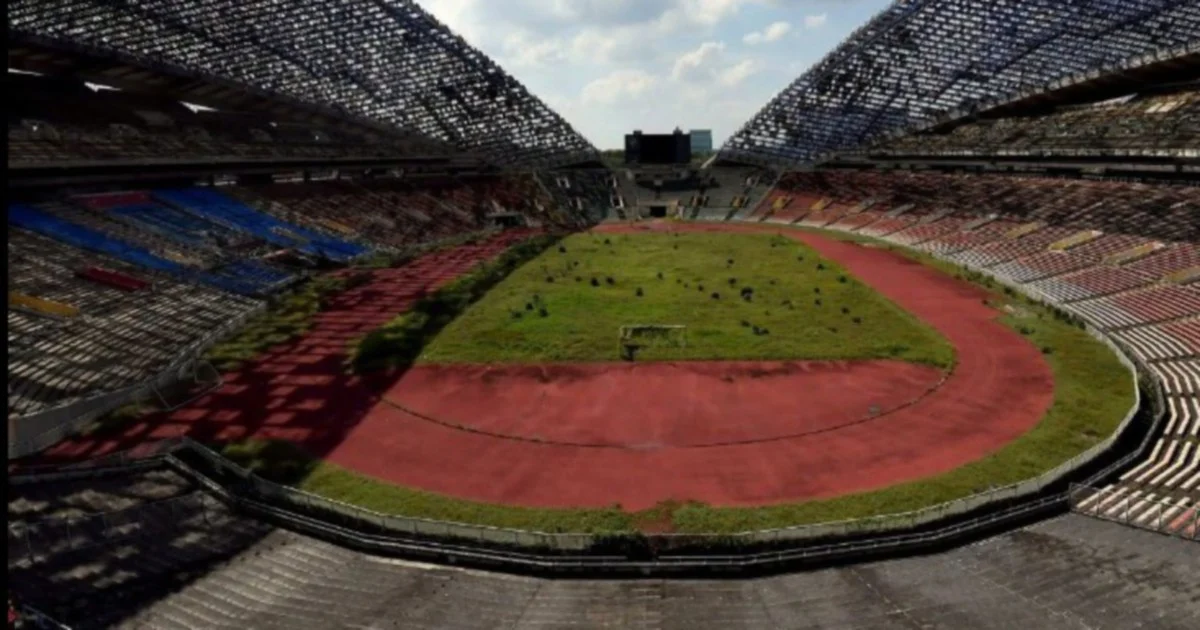
Malaysian Resources Corporation Bhd (MRCB) has moved to protect its commercial interests by securing a consent judgment at the Shah Alam High Court against activist Abdul Razak Ismail. The legal action centres on online publications related to the demolition and redevelopment of Shah Alam Stadium, a project undertaken by the construction and property development firm. According to MRCB's position, the activist's online content caused the company significant economic damage, prompting the judicial intervention.
The case represents a notable intersection between corporate interests and digital activism in Malaysia, occurring against a backdrop of increasing litigation over online speech. Shah Alam Stadium, a landmark sporting venue in Selangor, has been the subject of substantial redevelopment efforts. MRCB's involvement in this transformation placed the company in the public eye, and the subsequent online commentary appears to have triggered the legal dispute. The consent judgment indicates both parties reached an agreement that resolved the matter before a full trial, a common outcome in defamation or economic harm cases when settlements are negotiated.
Activism in Malaysia has increasingly moved into the digital sphere, with social media platforms providing avenues for public figures and ordinary citizens to voice concerns about development projects, corporate conduct, and governance issues. The Shah Alam Stadium redevelopment appears to have attracted scrutiny from those questioning the project's implementation or impact. Abdul Razak Ismail's online publications, whatever their specific content and claims, evidently prompted MRCB to seek legal remedies. The company's decision to pursue a consent order rather than proceed to full litigation suggests both sides may have wished to conclude the matter without prolonged courtroom proceedings and media attention.
Economic damage claims in such cases typically hinge on whether online publications contain statements that harm a company's reputation, deter business opportunities, or affect investor confidence. MRCB's assertion of economic harm reflects a corporate calculus increasingly common among Malaysian businesses responding to online criticism. The consent judgment mechanism allows disputes to be resolved through mutual agreement filed with the court, providing binding authority without requiring a judge to determine fault or liability. This approach has become more prevalent as courts manage rising caseloads and parties seek faster resolutions.
The Shah Alam Stadium project itself carries broader significance for Selangor's urban landscape and sporting infrastructure. The facility has held cultural and sporting significance for the state, and its demolition and redevelopment represent substantial physical and financial transformation. Such large-scale projects invariably attract public discussion, with stakeholders ranging from sports enthusiasts to environmental advocates to ordinary residents expressing diverse perspectives. When corporate entities initiate legal proceedings against individuals or activists discussing such projects, it raises questions about the boundaries of free expression in Malaysia's media environment.
Malaysian courts have in recent years grappled with evolving standards around online speech, defamation, and corporate reputation. The consent judgment in MRCB's case exemplifies how companies are increasingly willing to deploy legal mechanisms to address online commentary. This pattern reflects global trends where digital platforms have democratised publication, allowing individuals to reach mass audiences without traditional media gatekeeping. Simultaneously, it raises concerns about potential chilling effects on public discourse when activists and critics face litigation over statements made online.
From a Southeast Asian perspective, Malaysia's approach mirrors developments across the region, where rapid digital adoption has outpaced legal frameworks governing online expression. Thailand, Indonesia, and Singapore have all witnessed similar disputes between corporations or government entities and online activists. The outcomes of cases like MRCB's consent judgment provide precedent and guidance for future disputes, shaping how Malaysian law interprets the intersection of commercial interests, reputation, and digital communication.
The timing and context of this judgment occur amid broader discussions in Malaysia about media freedom, corporate accountability, and the rights of activists. Civil society organisations have periodically raised concerns about litigation being used strategically to silence legitimate criticism. While MRCB's case involves a consent order rather than a contested judgment, it nonetheless sends signals about the company's willingness to pursue legal remedies and the judiciary's role in resolving such disputes. The specific terms of the consent order remain important in understanding what constraints, if any, it places on future commentary about the stadium project or MRCB's involvement.
For Malaysian businesses and activists alike, this case illustrates the practical implications of online publishing in an environment where corporate litigation remains a viable response to critical commentary. Activists must carefully weigh the substantive basis of their claims against potential legal exposure, while companies navigate the tension between protecting reputation and avoiding the reputational damage that aggressive litigation can itself produce. The consent order approach, by avoiding a contested trial, may have minimised public attention compared to a fully litigated case, yet the judgment's existence remains a matter of public record.
Looking forward, the MRCB case may influence how digital activists and online publishers approach commentary on major development projects in Malaysia. It underscores the reality that online speech, while broadly protected, can still trigger legal consequences under established defamation and economic harm principles. The consent judgment mechanism itself offers a pathway for resolving disputes without full litigation, though such settlements may lack transparency regarding their exact terms and implications. As Malaysian society continues navigating the digital transformation, clarifying the boundaries between protected speech and legally actionable statements remains an ongoing challenge for courts, lawmakers, and civil society.

