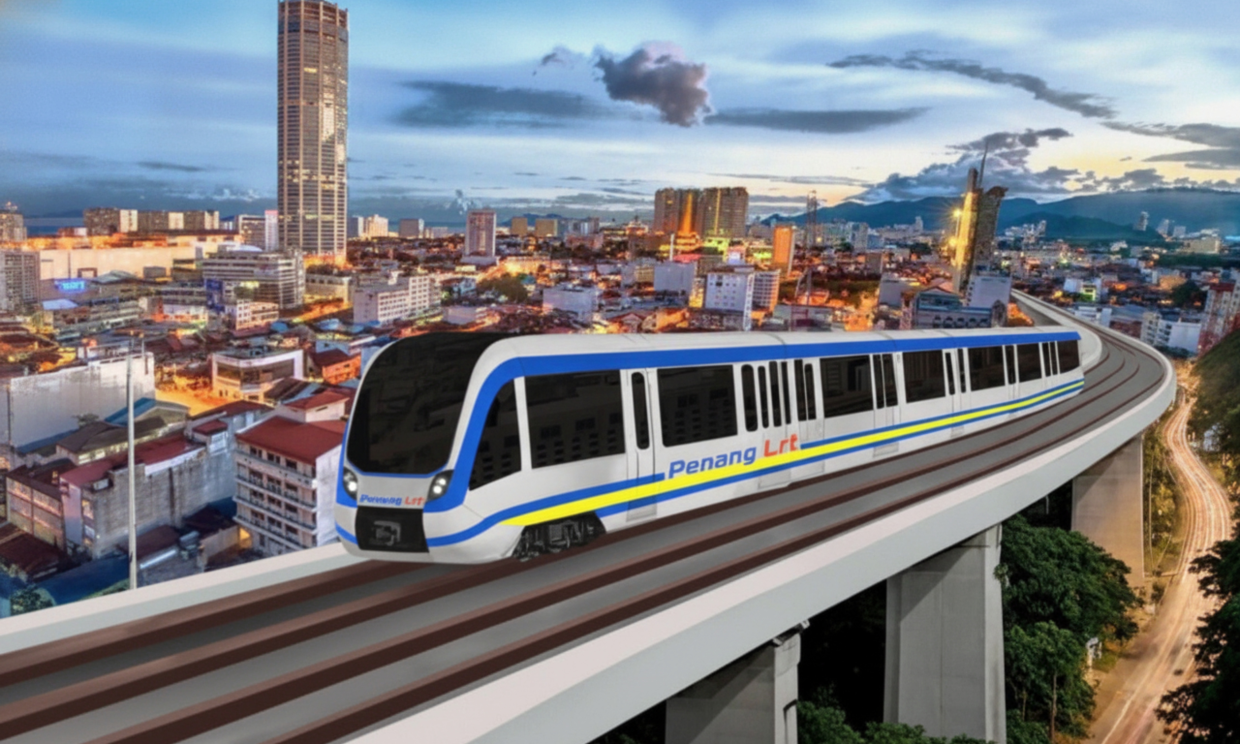
Malaysian Resources Corp Bhd (MRCB) has clinched a substantial RM3.028 billion contract to deliver the railway systems package for the Penang Light Rail Transit Mutiara Line, reinforcing the company's position as a major player in Malaysia's infrastructure development landscape. The announcement, disclosed through a filing with Bursa Malaysia, represents one of the largest recent awards in the country's public transportation sector and underscores the continued momentum in major rail projects across the nation.
The contract, structured as a 90:10 unincorporated joint venture arrangement, encompasses an ambitious 68.8-month implementation timeline that extends well beyond the initial construction phase. This extended duration reflects the complexity and comprehensive nature of the scope, which extends from the early design stages through to long-term operational support. The breadth of responsibilities assigned to MRCB demonstrates the client's confidence in the company's technical capabilities and project delivery track record.
The railway systems package constitutes the technological backbone of the Penang LRT Mutiara Line, encompassing multiple interconnected components that must function seamlessly to ensure reliable service. The contract specifically covers the design and procurement of the train fleet itself, a critical element that will ultimately determine passenger capacity and service frequency. Additionally, MRCB will oversee the installation of sophisticated signalling systems that manage train movements, spacing, and safety protocols across the entire network. The power supply infrastructure represents another major component, requiring careful engineering to meet the substantial energy demands of an urban rapid transit system operating at frequent intervals throughout the day.
Telecommunications systems form an integral part of the package, enabling real-time communication between operational control centres and trains, as well as support for passenger information systems and emergency response capabilities. The ticketing infrastructure adds another layer of complexity, requiring integration with fare collection, revenue management, and passenger flow analytics. This multifaceted approach ensures that the Penang LRT will operate with the standards expected of modern metropolitan transit networks across the region.
For MRCB, this contract represents a significant earnings opportunity that the company projects will enhance its financial performance substantially over the coming years. The extended implementation period means revenue recognition will be distributed across multiple financial reporting cycles, providing a degree of earnings visibility and stability that investors typically value. The company's management has signalled confidence in the project's contribution to group profitability, suggesting internal assessments indicate healthy margins and manageable execution risks.
The construction and infrastructure sectors face well-documented headwinds related to supply chain volatility and commodity price fluctuations, challenges that have affected numerous major projects globally. MRCB has explicitly acknowledged these exposure factors in its regulatory disclosures, noting that materials and equipment costs represent potential downside risks to project economics. However, the company has positioned these risks within the context of its established operational framework and historical performance delivering comparable large-scale infrastructure initiatives. The firm's accumulated experience in managing complex engineering projects serves as a risk mitigation factor, with existing controls and procedures designed to absorb moderate cost pressures.
The Penang LRT Mutiara Line itself represents a critical component of the northern region's transportation infrastructure strategy, intended to alleviate traffic congestion and provide an alternative to road-based commuting. As Malaysia pursues its Vision 2050 ambitions for sustainable urban development, light rail networks have emerged as preferred solutions for mid-tier metropolitan areas seeking to balance mobility needs with environmental considerations. Penang's historical role as a major economic and demographic centre makes it a logical candidate for such investments, particularly given the state's status as a high-performing region within Malaysia's economy.
The market responded positively to the announcement, with MRCB shares gaining one sen to close at 32 sen, representing a 3.23% appreciation during the midday trading session. More dramatically, the company's joint venture partner Theta Edge experienced substantial share price movement, surging 14 sen or 25.45% to reach 69 sen. Such market reactions typically reflect investor optimism regarding future earnings visibility and the strategic importance of securing major contract wins in the competitive infrastructure services industry.
For Malaysian readers and the broader Southeast Asian context, this development underscores the region's ongoing investment in modern transportation infrastructure as a foundation for economic competitiveness and quality of life improvements. The successful execution of the Penang LRT Mutiara Line project will establish important precedents and potentially unlock subsequent phases of rail development in other urban centres. MRCB's track record in this space positions it as a likely contender for future projects, creating momentum that extends beyond the immediate contract value.

