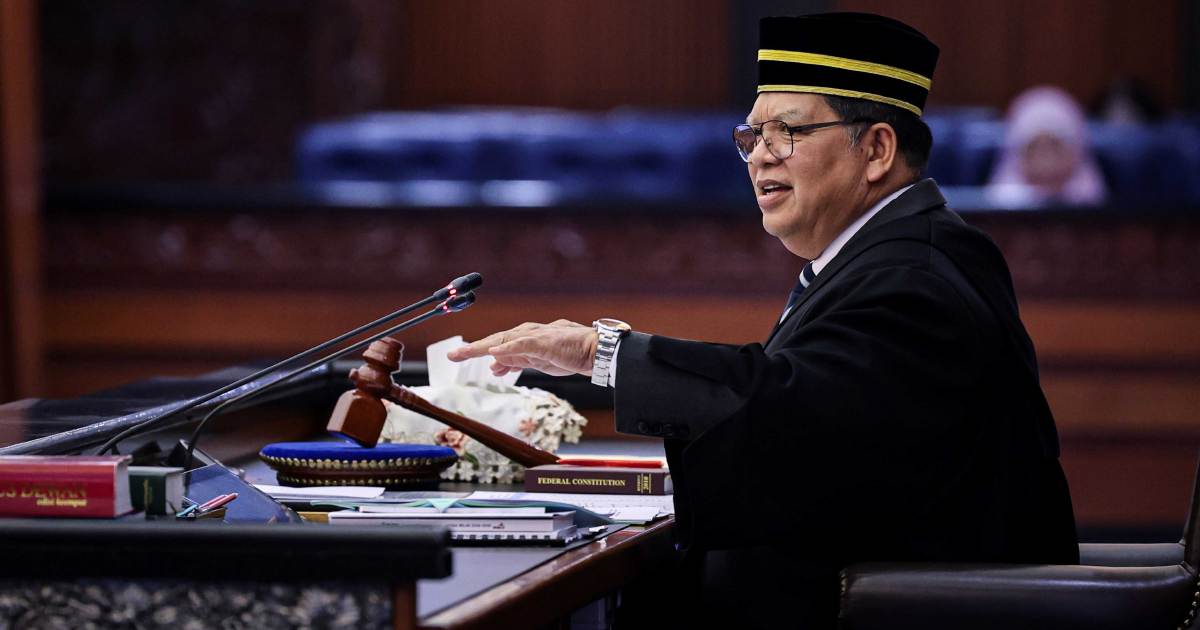
The Speaker of the Dewan Rakyat has issued a direct warning to Members of Parliament regarding their attendance obligations, emphasising that absence from parliamentary sittings must be supported by substantial grounds. Tan Sri Johari Abdul made the pronouncement as concerns about legislator participation continue to shape discussions about parliamentary accountability and institutional effectiveness in Malaysia's lower house.
The reminder reflects growing scrutiny over attendance patterns in Parliament, where fluctuating participation rates have prompted leadership to reinforce expectations around member conduct. Lawmakers occupy positions of significant public trust and responsibility, making their presence during legislative proceedings a fundamental aspect of democratic governance. When parliamentarians choose not to participate without credible justification, it raises questions about the commitment to the constituents who elected them and the legislative work that defines their primary duty.
Malaysia's parliamentary system depends on regular quorum and substantive engagement from elected representatives. The legislative agenda encompasses matters ranging from budgetary allocations affecting federal funding distributions to policy debates with nationwide implications. Absences diminish the capacity for robust parliamentary scrutiny, reduce opportunities for backbenchers to raise constituent concerns, and can compromise the deliberative processes that underscore effective lawmaking. When membership participation becomes irregular, the institution's legitimacy and public confidence face potential erosion.
The Speaker's authority to maintain parliamentary standards carries considerable weight in ensuring that institutional operations proceed according to established conventions and formal rules. Warnings issued from the Speaker's chair serve as official notices that reinforce expectations while preserving the capacity for further action if attendance problems persist. This measured approach balances institutional discipline with the practical realities of modern parliamentary life, where members may occasionally face unavoidable scheduling conflicts or health circumstances.
What constitutes a "valid reason" for absence typically encompasses documented medical emergencies, parliamentary duties elsewhere (such as official delegations or committee work), significant family circumstances, and other situations commanding legitimate priority. However, the distinction between excusable and inexcusable absences requires case-by-case evaluation. The Speaker must exercise discretion while maintaining consistent standards, preventing situations where some lawmakers claim exemptions while others face consequences for similar circumstances.
Attendance patterns across Southeast Asian parliaments reveal varying approaches to managing member participation. Some regional legislatures employ automated absence reporting systems linked to salary deductions, while others rely primarily on institutional pressure and leadership guidance. Malaysia's approach emphasises relying on the Speaker's formal authority and parliamentary conventions, though this system requires that warnings receive serious consideration from the legislative body collectively.
The political composition of Parliament influences how attendance directives land with different constituencies. Opposition-aligned lawmakers may regard attendance requirements as neutral institutional obligations, while government-supporting members typically view such reminders as straightforward parliamentary housekeeping. However, weaponising attendance expectations for partisan advantage risks undermining the Speaker's institutional neutrality and creating resentment among members who feel selectively targeted.
For Malaysian constituents observing parliamentary proceedings through media coverage and livestreaming, visible participation by their representatives carries symbolic and practical importance. Voters expect their elected members to show up and engage with legislation affecting their districts, whether advocating for local infrastructure needs, questioning executive performance, or supporting measures aligned with their policy platforms. Chronic absenteeism creates legitimate public frustration and suggests indifference toward the democratic mandate received.
Regular parliamentary sittings typically occur on fixed schedules known well in advance, allowing members to plan accordingly. When members treat sessions as optional unless facing pressing personal circumstances, it signals that legislative duties rank lower than competing commitments. This undermines the principle that Parliament represents the people's primary forum for holding government accountable and enacting laws with legitimate democratic backing.
The Speaker's warning arrives amid broader discussions about parliamentary reform and modernisation in Malaysia. These conversations encompass enhancing legislative oversight capacity, streamlining committee processes, and ensuring that parliamentary procedures remain fit for contemporary governance challenges. Attendance forms the foundational prerequisite for any institutional improvements, since members must be physically present to participate in these enhanced processes.
Moving forward, the emphasis on attendance accountability may prompt individual MPs to review their schedules and recalibrate priorities around parliamentary commitments. For those representing constituencies far from Kuala Lumpur, regular attendance requires genuine logistical sacrifice and time investment. Yet this expense remains integral to the responsibility accepted when seeking parliamentary office, and competing interests do not eliminate the obligation to show up unless circumstances genuinely prevent participation.
The Speaker's statement reinforces that parliamentary work matters institutionally and democratically. It sends a message that Members of Parliament cannot treat their legislative duties as peripheral to other activities, and that the institution expects substantive commitment from those entrusted with enacting national laws and overseeing executive performance. How lawmakers respond to this reminder will shape perceptions about Parliament's vitality and the seriousness with which elected representatives approach their constitutional roles.