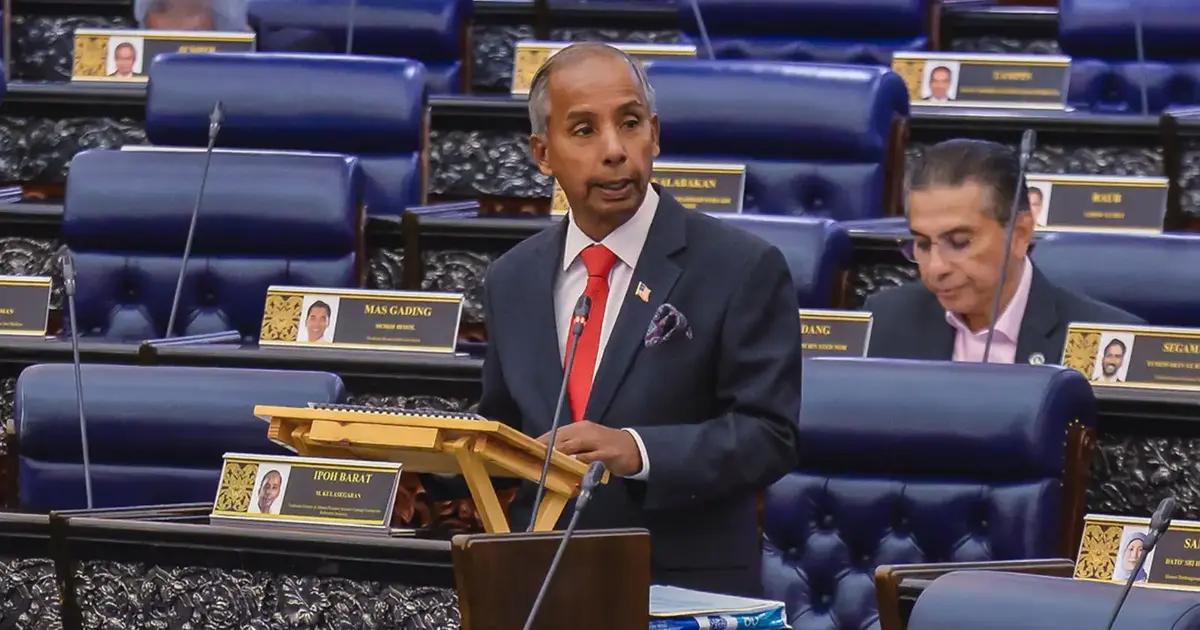
Parliamentarians could gain access to closed-circuit television recordings documenting the recent Taiping prison disturbance, according to Deputy Law Minister Kula, though such permission would require prior endorsement from the Cabinet. The cautious approach reflects sensitivities around footage that may prove crucial to ongoing judicial proceedings and investigations into the incident.
Kula's statement introduces a potential pathway for legislative oversight of a significant correctional facility incident, a development that transparency advocates have welcomed. However, the conditional nature of his remarks underscores the delicate balance authorities must maintain between parliamentary accountability and judicial independence. The Cabinet's consideration of the matter represents an important juncture where executive decision-making will determine whether elected representatives can independently assess security footage from the disturbance.
The detention facility riot, which occurred at the Penal Institution in Taiping, Perak, sparked considerable public concern regarding security protocols within Malaysia's prison system. Access to CCTV evidence would enable members of parliament to scrutinise security measures, staff responses, and circumstances surrounding the unrest, potentially informing future legislative or administrative reforms. Such parliamentary review could strengthen democratic oversight of correctional services, an area often sheltered from public and legislative scrutiny.
Yet the deputy minister's caution around "ongoing court cases" signals that multiple legal fronts remain active following the incident. Evidence collected, including surveillance footage, typically forms the foundation of criminal prosecutions against detainees or staff members implicated in the disturbance. Premature or uncontrolled dissemination of such material risks compromising trial fairness, contaminating witness testimony, or enabling defendants to engineer defences based on footage they might otherwise never access through standard discovery processes.
The tension between transparency and prosecutorial integrity represents a recurring challenge in Malaysian governance. Previous high-profile incidents—from the Seafield Temple standoff to the Bukit Aman police building clashes—have similarly exposed friction between legislators demanding public access to evidence and law enforcement arguing that releasing materials could prejudice ongoing legal action. Parliament's investigative committees have historically lacked formal mechanisms to review sensitive security materials while maintaining confidentiality requirements.
Cabinet approval, while administratively necessary, also introduces political dimensions to the decision. The composition of parliament, factional interests within the ruling coalition, and the government's relationship with opposition benches could all influence whether ministers ultimately greenlight restricted parliamentary access. Some opposition lawmakers have previously called for comprehensive probes into prison management, suggesting that footage access might become entangled in broader political assessments rather than purely legal considerations.
The Taiping incident itself reflects systemic pressures within Malaysia's overcrowded correctional facilities. Penal institutions nationwide operate well above design capacity, creating tension, resource strain, and confrontational dynamics between detainees and guards. Parliamentary access to disturbance footage might illuminate root causes—understaffing, inadequate de-escalation training, or infrastructure deficiencies—that could drive policy recommendations. Such insights could prove valuable for Home Ministry planners considering longer-term correctional reforms.
Regional penal authorities across Southeast Asia have grappled with similar questions regarding evidence transparency and parliamentary oversight. Singapore's strict confidentiality protocols differ markedly from more open approaches adopted by Thailand or the Philippines, where investigative commissions have accessed sensitive security materials. Malaysia's evolving position on this matter could set precedent for how other sensitive government institutions balance legislative accountability with operational security and legal protection.
Should the Cabinet approve limited parliamentary access, authorities would likely establish conditions circumscribing how footage may be used. Typical arrangements include viewing restrictions to designated security facilities, prohibition on recording or duplicating materials, and rules preventing public disclosure of sensitive identifying details or tactical operations. Such mechanisms attempt to satisfy transparency demands while protecting ongoing prosecutions and maintaining institutional security.
The timing of Kula's announcement remains significant, as detainees and staff awaiting trial for roles in the disturbance require certainty regarding the evidence ecosystem. Delayed Cabinet decisions prolong uncertainty for all parties involved and may intensify parliamentary frustration. The deputy minister's statement suggests the matter ranks among Cabinet's pending considerations, though no timeline for a decision has emerged publicly.
For Malaysian civil society and governance observers, the Taiping case exemplifies broader questions about parliamentary powers relative to executive prerogatives in sensitive areas. Proponents of stronger legislative oversight argue that restricted access to government-held evidence weakens parliament's capacity to represent constituents or hold the administration accountable. Conversely, security-focused officials contend that unfettered legislative access to investigative materials compromises law enforcement effectiveness and national security interests.
The deputy law minister's measured positioning—acknowledging both the possibility and the constraints—may reflect internal Cabinet disagreement. Some ministers might favour broader parliamentary access as consistent with democratic principles, whilst others prioritise operational security and judicial prudence. The coming Cabinet decision will clarify whether Malaysia's institutional balance favours transparency and legislative oversight or maintains executive gatekeeping over sensitive security materials.

