Parliament's special sitting on the Tabung Haji Royal Commission of Inquiry (RCI) report has highlighted widespread concern among lawmakers about the conduct and credibility of any subsequent investigation into the pilgrim fund's management failures. Speakers in the Dewan Rakyat stressed that any enforcement action must meet rigorous standards of transparency and independence to protect the interests of depositors and uphold public confidence in Malaysia's governance systems.
The RCI, which examined Tabung Haji's operations between 2014 and 2020, identified significant weaknesses in management and governance and put forward 25 recommendations for improvement. Its release on July 29 followed government approval to make the findings public, allowing parliamentary scrutiny and broader national debate on how a critical institution serving over three million Malaysian pilgrims had experienced such serious lapses. By late July, the fund's administration had already implemented 75 per cent of the proposed reforms, signalling efforts to address the damage to its reputation and financial standing.
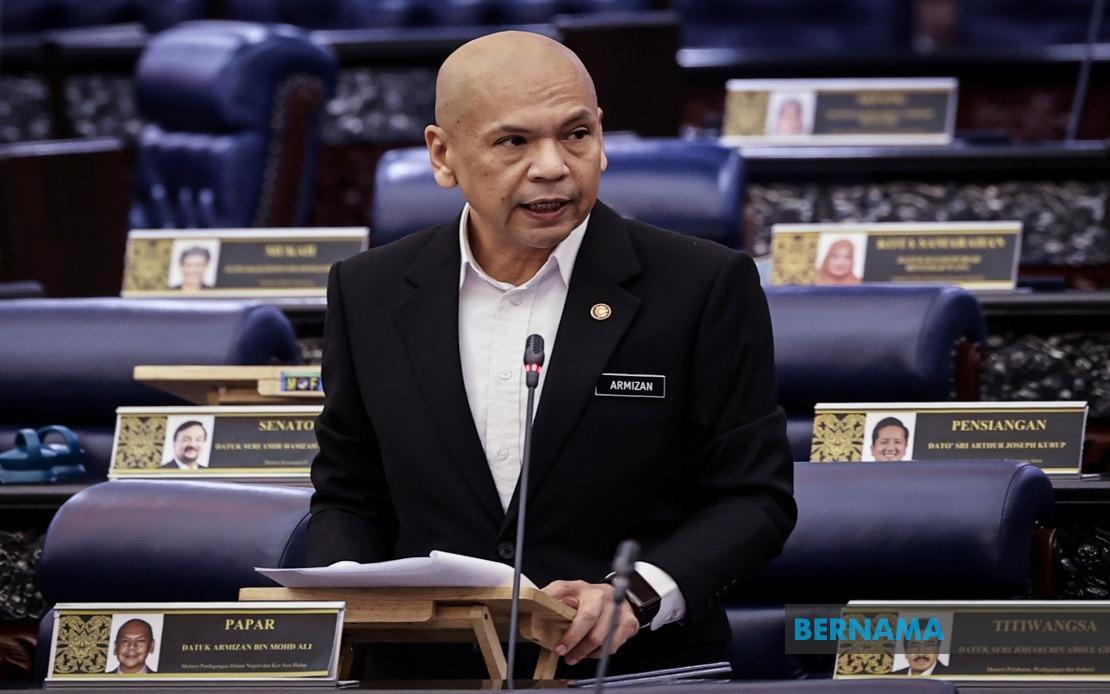
Minister of Domestic Trade and Cost of Living Datuk Armizan Mohd Ali painted a concerning picture of the current discourse surrounding Tabung Haji's troubles. Rather than a shared commitment to establishing facts and ensuring accountability, the public conversation has fractured into a series of mutual accusations and recriminations, with various stakeholders claiming to be victims of slander or defamation. This polarisation, according to Armizan, has left ordinary Malaysians struggling to distinguish legitimate concerns from partisan attacks, breeding confusion about who bears responsibility for the fund's deterioration and what remedies are necessary.
Armizan's intervention underscored the political stakes involved in managing the investigation's aftermath. The emotional investment of millions of Muslim Malaysians in Tabung Haji—many of whom have contributed savings toward the Islamic pilgrimage or depend on the fund for retirement security—means that any probe must not only uncover wrongdoing but also be seen to do so fairly. An investigation perceived as selective or politically motivated could deepen public cynicism and undermine faith in institutional oversight mechanisms that should protect citizens' assets. Professional conduct, legal rigour, and factual assessment must therefore replace the current atmosphere of blame and counter-blame.
Armizan also emphasised that investigation alone is insufficient. The RCI's improvement recommendations require equally rigorous examination and implementation to complete Tabung Haji's recovery and restore its governance framework. This dual focus—holding individuals and institutions accountable while simultaneously rebuilding systemic safeguards—reflects recognition that the fund's problems were structural as well as personal. Strengthening Tabung Haji's direction and governance architecture will require sustained effort beyond the immediate crisis phase, ensuring that the conditions enabling past misconduct cannot recur.
A separate parliamentary contribution from Minister of Women, Family and Community Development Datuk Seri Nancy Shukri introduced a pragmatic debate about institutional design and board appointments. She defended the current arrangement whereby haj affairs remain under the Minister in the Prime Minister's Department (Religious Affairs), while financial and investment matters fall under the Finance Ministry. This division of labour, according to Nancy, represents a rational allocation of expertise rather than administrative confusion, with each arm handling matters suited to its professional capabilities and reducing the risk of neglected oversight through competing priorities.
Nancy's remarks on board appointments struck a chord with concerns about politicisation of corporate governance. She reframed the underlying issue by shifting focus from whether directors have political backgrounds to whether they possess the integrity, qualifications, experience and competence to discharge their duties effectively. Under this standard, a political appointee who meets rigorous competency requirements deserves recognition for their contributions; conversely, someone lacking appropriate credentials should be excluded regardless of political connections. The distinction, while seemingly obvious, has been lost in contemporary Malaysian discourse, where partisan affiliation often trumps substantive assessment of capability.
To prevent future governance failures, Nancy advocated for systematic reform of board recruitment. Clear appointment criteria, transparent selection processes, and explicit requirements for areas of expertise would ensure that merit and suitability become the primary considerations guiding decisions. This framework acknowledges that specialised financial and investment decisions require people with demonstrable knowledge and experience in those fields, not merely those with political favour or connections to power. The implication is that Tabung Haji's past problems partly reflected inadequate safeguards against unqualified or unsuitable appointees, a vulnerability that systematic reform could address.
The special parliamentary sitting itself represented a significant democratic mechanism for examining the RCI findings and testing the government's commitment to transparency. By opening the report to public scrutiny and allowing MPs from across the political spectrum to debate its implications, Parliament created space for diverse perspectives and accountability pressures that executive action alone might lack. This process allows constituencies—especially the millions of Tabung Haji contributors scattered across Malaysia—to see that their representatives are engaged in pursuing justice and reform, even if disagreements persist about specific measures.
For Malaysian readers, the Tabung Haji saga carries broader implications about institutional accountability and deposit protection. The fund sits at the intersection of religious obligation, personal finance, and state responsibility, making its governance a matter of national consequence. The RCI's findings that serious weaknesses existed between 2014 and 2020 should prompt reflection on oversight mechanisms across other state-linked or quasi-governmental entities managing public assets. If Tabung Haji's problems could develop undetected for years, similar risks may exist elsewhere in Malaysia's institutional landscape.
The parliamentary discussion also highlighted persistent tensions in Malaysian governance between political considerations and professional standards. While Nancy Shukri's call for merit-based board appointments sounds straightforward, implementing such standards requires resisting pressure to place political allies in lucrative or influential positions. The fact that this principle still requires explicit articulation suggests it remains contested in practice. Strengthening Tabung Haji will therefore depend not just on enforcement actions and structural reforms, but on sustained political will to prioritise competence and integrity over patronage networks.
Moving forward, the transparency and independence that MPs emphasised must extend beyond the investigation to encompass the entire recovery process. Regular public reporting on the implementation of RCI recommendations, parliamentary oversight of governance reforms, and mechanisms for depositors to monitor the fund's recovery would all contribute to restoring confidence. The scale of Tabung Haji's significance—serving pilgrims across the Muslim world and holding the retirement dreams of millions of Malaysians—demands nothing less than exemplary institutional conduct and accountability worthy of public trust.

