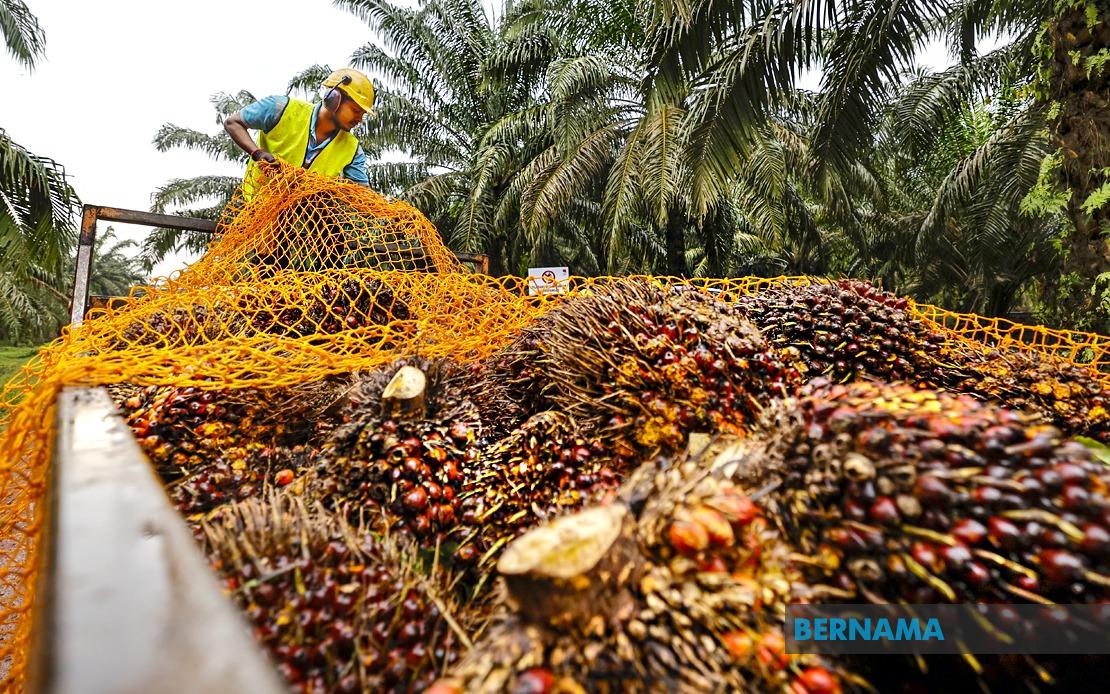
The Malaysian Palm Oil Board (MPOB) is set to construct a research and innovation hub in Melaka that will serve as a catalyst for transforming the state's palm oil industry into a high-value economic driver. Slated for development on a 40.47-hectare site in Seri Mendapat, Sungai Rambai, the facility carries an estimated cost of between RM20 million and RM25 million and forms part of the 13th Malaysia Plan's broader agenda to modernise commodity production across the nation. Melaka Chief Minister Datuk Seri Ab Rauf Yusoh announced the development during a visit to Kampung Seri Mendapat, highlighting the state government's commitment to elevating agricultural production beyond subsistence farming towards sophisticated, market-competitive enterprises.
The research station represents a strategic investment designed to position Sungai Rambai as a regional knowledge centre and innovation hub for the palm oil sector. Rather than serving merely as a research outpost, the facility will function as an integrated ecosystem encompassing multiple operational components. These include a demonstrative model plantation showcasing best practices and advanced cultivation techniques, a dedicated research and development centre for continuous innovation, modern laboratory facilities for quality testing and product development, and comprehensive training infrastructure to equip smallholders and workers with contemporary skills. The station will also accommodate quarters for TUNAS advisory officers and enforcement teams, ensuring that technical guidance and regulatory oversight are permanently embedded within the community.
The implications of this development extend well beyond the immediate research objectives. By establishing permanent advisory and enforcement infrastructure, MPOB aims to bridge the persistent gap between cutting-edge agricultural science and practical implementation at the farm level. Smallholders across Melaka often lack access to timely technical advice, quality inputs, and market information—factors that have historically constrained productivity and income growth. The research station's on-site presence of TUNAS officers and enforcement personnel addresses this structural challenge by bringing expertise directly into communities where it is needed most.
Economic benefits are expected to cascade throughout the Sungai Rambai district, where agricultural livelihoods predominate. Chief Minister Ab Rauf emphasised that the facility will catalyse employment generation, skills development pathways, and broader economic spillover effects for surrounding communities. Sungai Rambai's demographic composition—with nearly 45 per cent of the population engaged in farming and smallholding activities—makes it particularly well-suited to benefit from such concentrated investment in agricultural infrastructure and knowledge transfer. The station's training capacity will enable local farmers to access upskilling opportunities without travelling to distant urban centres, reducing both time and financial barriers to professional development.
Complementing the research station is a parallel initiative addressing critical infrastructure deficiencies affecting smallholders. A five-kilometre private farm road project at Ladang Lembah Kesang, Mukim Semujuk, approved under a RM400,000 allocation, exemplifies how targeted infrastructure investment directly improves farm productivity. For smallholder operations, road connectivity directly determines profitability by reducing transport time to markets, lowering operational expenses for vehicle wear and fuel consumption, and enabling faster produce delivery that preserves quality. The road project is anticipated to benefit over 200 smallholders, demonstrating how seemingly modest infrastructure improvements generate substantial multiplier effects across dispersed rural populations.
The broader strategic context reveals Melaka's deliberate attempt to create an integrated agricultural development ecosystem. The state government has articulated a vision transcending the traditional commodity export model, instead positioning agriculture as the foundation for a competitive, modernised rural economy. This philosophical shift reflects recognition that commodity sectors, without continuous innovation and technological upgrading, inevitably face margin compression as global supply expands and input costs rise. By investing in research infrastructure, skills development, and farm-level logistical support simultaneously, Melaka is attempting to address multiple constraints on productivity in a holistic manner.
The Malaysian Palm Oil Board has reinforced this modernisation push through the Smallholder Oil Palm Replanting Financing Incentive Scheme 2.0, which provides eligible smallholders with up to RM14,000 per hectare to replace aging, low-yield palm trees with superior seedlings. The scheme's structural design—deferring repayment until year five—acknowledges the cash flow constraints that typically prevent smallholders from undertaking productivity-enhancing investments. Trees require years to mature before generating returns, yet many smallholders operate with minimal liquid reserves and cannot absorb upfront capital costs. By aligning repayment schedules with realistic revenue generation timelines, the financing scheme removes a critical barrier to technology adoption and yield improvement.
Beyond agricultural productivity, the research station addresses environmental and resource management imperatives increasingly critical to palm oil sector sustainability. The facility's modern laboratories will enable systematic quality testing, environmental monitoring, and compliance verification—components increasingly demanded by international buyers and certification bodies. As global consumers and corporate purchasers impose stricter sustainability criteria on palm oil supply chains, producers equipped with comprehensive testing and monitoring capabilities gain competitive advantages in accessing premium markets. The research infrastructure thus supports not merely productivity growth, but compliance with the sustainability standards that increasingly determine market access and pricing.
The state government's simultaneous investment in flood mitigation and water infrastructure further demonstrates integrated development thinking. RM200,000 has been sought from federal government to upgrade an ageing watergate at Jeti Sebatu, while RM350,000 drainage works are underway along a 300-metre Sungai Sebatu outlet section. These projects directly address flood risks that periodically devastate the fishing community's operations and livelihoods. Integrated agricultural development strategy must therefore encompass not merely productivity-enhancing investments, but climate resilience and disaster risk reduction infrastructure that protects existing assets and income sources from environmental shocks.
For Malaysia's broader agricultural policy landscape, the Melaka initiative offers a model replicable across other states seeking to modernise commodity production. By combining dedicated research infrastructure, skills development capacity, targeted financing schemes, and farm-level logistical improvements, governments can address the multifaceted constraints limiting smallholder productivity and competitiveness. The approach acknowledges that isolated interventions—a research facility without road access, financial schemes without technical support—generate limited impact. Instead, integrated packages that simultaneously address knowledge, capital, infrastructure, and market access constraints create synergistic effects amplifying overall productivity gains.
The research station also positioning Malaysia to strengthen its leadership position in palm oil innovation and sustainability standards globally. As other major producing nations face environmental and social pressures, Malaysia's continued investment in research, technology, and sustainable production practices demonstrates commitment to long-term sector viability. The Melaka facility, as a dedicated innovation centre, can develop improved cultivation techniques, environmental management practices, and product applications that maintain Malaysian palm oil's market share and pricing premiums amid intensifying global competition and sustainability scrutiny. For smallholders and commercial operators alike, access to research-backed innovations and training represents the pathway to maintaining profitability as global competitive dynamics continue evolving.

