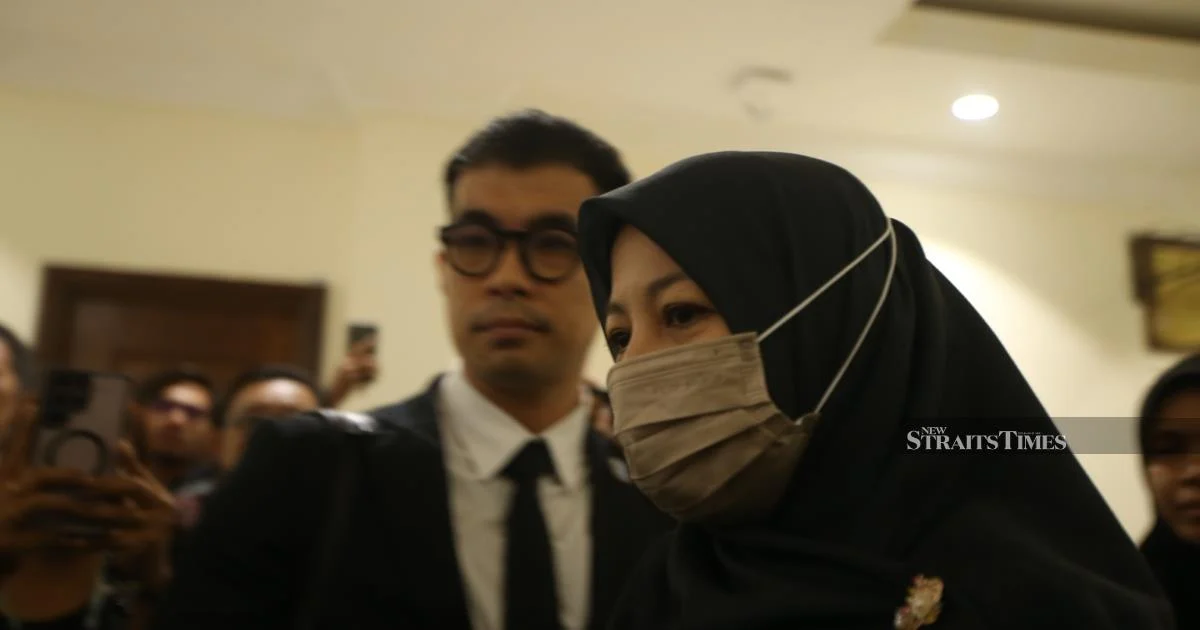
During proceedings in the Kota Kinabalu coroner's court, Noraidah Lamat testified that she harboured significant regrets about enrolling her daughter, the late Zara Qairinah Mahathir, at SMKA Tun Datu Mustapha. The mother's admission came as the court examined the circumstances surrounding her daughter's time at the institution, with her statement providing a poignant window into the family's perspective on the educational choices that preceded the tragedy.
Parental decisions regarding boarding school placement have long been a complex matter in Malaysian society, balancing aspirations for quality education against concerns about child welfare and emotional wellbeing. The testimony at the coroner's court underscores the weight of such choices and their potential consequences. Boarding schools, particularly those with selective admissions and strong academic reputations, are often viewed as gateways to prestigious universities and lucrative careers. Yet the intensive dormitory environment, separation from family support systems, and the pressures of competitive academia can create significant psychological strain on students, especially adolescents navigating formative years away from home.
SMKA Tun Datu Mustapha, located in Sabah, is among Malaysia's more established secondary institutions. The school has cultivated a profile as an academically rigorous establishment, attracting students from across the state and beyond who seek intensive preparation for major examinations. Parents who select such institutions typically invest considerable hope and resources into their children's educational trajectories, viewing admission as an achievement in itself. However, the institutional culture and pedagogical intensity of such schools do not necessarily align with every student's emotional, social, or psychological needs.
The coroner's court functions as a crucial mechanism for examining deaths that occur under unclear or concerning circumstances. When a young person's death becomes the subject of such inquiry, the court's role extends beyond merely determining cause of death; it often illuminates systemic issues, safeguarding gaps, and the human dimensions of tragedy that statistics alone cannot capture. Noraidah's statement represents one such human dimension—the parental perspective, reflective and remorseful, examining choices made in good faith but now reassessed through the lens of irreversible loss.
Regret expressed in such formal settings carries particular weight because it is delivered under oath and within the structured environment of legal proceedings. A parent's public acknowledgment that a significant life decision was mistaken implies that certain warning signs may have been overlooked, concerns inadequately addressed, or alternatives not sufficiently explored at the time. This raises broader questions about how Malaysian families communicate about educational pressure, how schools monitor student welfare, and what institutional responsibility exists when young people appear to be struggling.
For Malaysian parents and educators observing such proceedings, the implications are multilayered. The case serves as a reminder that prestigious educational institutions, while valuable, require careful consideration of individual student capacity to thrive in intensive, often highly competitive environments. Not every child who possesses the academic capability to attend a selective boarding school possesses the emotional resilience or home support infrastructure to flourish in such settings. Early intervention, regular communication between families and schools, and genuine attention to signs of distress or maladjustment become critical safeguarding measures.
The broader Malaysian education landscape has increasingly grappled with issues surrounding student mental health and the psychological toll of high-stakes examination culture. Numerous studies and expert commentaries have highlighted concerning trends in anxiety, depression, and suicide ideation among secondary school students, particularly those in academically competitive institutions. The testimony emerging from this coroner's court case may contribute to growing momentum for systemic reflection on how educational institutions can balance academic excellence with holistic student welfare.
Schools such as SMKA Tun Datu Mustapha typically employ qualified educators and maintain established pastoral care structures. Yet even well-intentioned institutional systems can miss crucial signs or fail to respond adequately when a student's wellbeing deteriorates. Parents, meanwhile, may assume that boarding schools' professional staff are equipped to identify and address serious emotional distress, leading to communication gaps between home and institution during critical moments. Noraidah's public regret may prompt other families to ensure more proactive, ongoing dialogue with their children and their schools, rather than assuming that placement at a respected institution guarantees comprehensive attention to holistic development.
The coroner's court proceedings will likely generate broader conversation within Sabah's education sector and beyond about how institutions, families, and students themselves can collectively work toward creating safer, more supportive educational environments. Noraidah's testimony contributes valuable evidence to what increasingly appears to be a pattern of concern regarding student welfare in Malaysia's secondary education system. As investigations and inquiries continue, the priority must remain identifying actionable safeguarding measures that protect vulnerable young people while preserving the educational opportunities that selective institutions offer.
This case underscores an uncomfortable reality: that good intentions and strong academic reputations alone cannot guarantee a young person's safety or wellbeing. Parents, educators, and policymakers across Malaysia and the broader Southeast Asian region would do well to reflect on these broader lessons as they continue supporting the next generation of students navigating increasingly complex and pressurised educational pathways.

