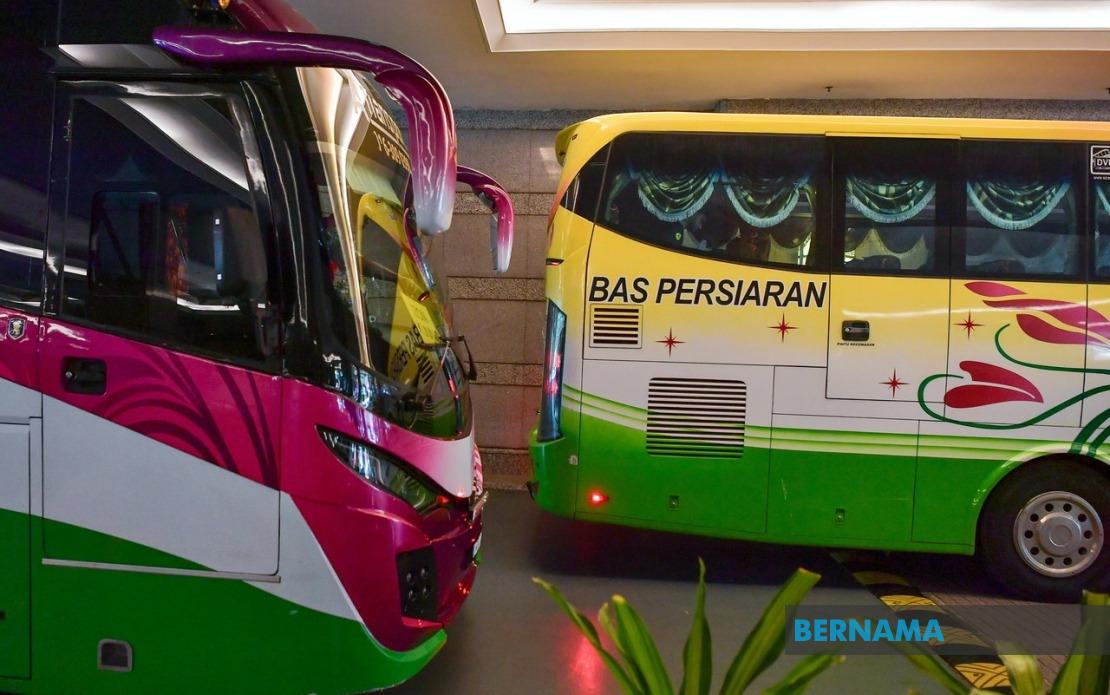
The Ministry of Tourism, Arts and Culture has issued an urgent call for tour bus operators and their industry associations to provide comprehensive diesel usage data without further delay, warning that the lack of documented evidence is holding up government efforts to deliver meaningful financial relief. The data submission is framed as critical infrastructure for determining the appropriate form and magnitude of assistance the government can provide in response to escalating fuel costs, which have placed considerable pressure on an industry already grappling with operational challenges.
According to MOTAC's statement issued in late June, the Ministry of Finance has expressed preliminary willingness to explore assistance measures for tour bus operators, but any decision remains contingent on receiving substantive evidence of the sector's actual cost burden. This conditional approval reflects a broader government approach that prioritises evidence-based policymaking over reactive interventions, particularly when fiscal resources are constrained. The requirement for detailed documentation underscores the tension between industry demands for immediate relief and the bureaucratic processes required to justify government expenditure.
The specific information being sought encompasses detailed records of diesel consumption levels and comparative fuel cost analysis spanning the period before and after the Middle East crisis, which triggered the recent price volatility in global petroleum markets. By requesting before-and-after comparisons tied to a specific external event, MOTAC is attempting to establish a clear causal link between geopolitical developments and the financial distress experienced by operators, thereby strengthening the case for intervention. The ministry's emphasis on this temporal framework suggests that documentation anchored to identifiable external shocks carries greater persuasive weight in government deliberations over aid allocation.
MOTAC has already engaged directly with nine tourism associations that collectively submitted a memorandum highlighting the sector's predicament, and the ministry has convened discussion sessions to gather on-the-ground perspectives from industry representatives. These engagement activities demonstrate government awareness of the issue and acknowledgment of the operators' concerns, yet they have not yet translated into concrete assistance without the supporting data infrastructure. The parallel tracking of both formal associations and individual operators reflects the fragmented nature of Malaysia's tourism transport sector, where both organised groups and independent players require consideration.
The ministry's insistence on complete and accurate information before proceeding reflects a deliberate policy stance that incomplete relief could generate fresh grievances within the operator community. MOTAC has articulated concern that assistance allocated without a thorough understanding of actual cost impacts may misdirect resources, delivering aid to those less affected while insufficient support reaches those most severely impacted. This potential for misallocation represents a genuine administrative risk in a sector characterised by significant variation in operational models, vehicle fleet sizes, and route profiles among different operators.
The call for urgent submission carries implicit consequences for operators who remain unresponsive, as delays in data collection directly extend the timeline for government decision-making and implementation. Industry observers suggest that operators facing immediate financial strain have strong incentive to comply promptly, yet the coordination challenge of aggregating data across numerous independent businesses and multiple associations creates practical obstacles to rapid response. Some sector representatives have reportedly indicated that assembling precise historical fuel consumption and cost records requires time, particularly for smaller operators lacking sophisticated record-keeping systems.
MOTAC's framing of the assistance decision within the context of Malaysia's broader fiscal position and sustainable economic growth objectives signals that relief measures, when eventually announced, will likely be calibrated to balance industry needs against macroeconomic constraints. This positioning suggests that the eventual assistance package may fall short of industry expectations, and the government is laying groundwork to justify more limited intervention than operators might hope to receive. The mention of phased implementation following comprehensive assessment further indicates that any relief is likely to be rolled out gradually rather than deployed as a single comprehensive intervention.
The tourism transport sector holds particular significance for Malaysia's regional competitiveness, as reliable and affordable coach services underpin the country's ability to attract and retain international visitor flows across its diverse destinations. Sustained cost pressures on operators risk degrading service quality or reducing route availability, with potential consequences for the broader tourism ecosystem spanning hotels, attractions, and ancillary services that depend on effective visitor mobility. The government's measured approach to assistance reflects awareness of these interconnected impacts, even as it resists hasty financial commitments without proper analytical foundation.
For Malaysian tour operators, the situation underscores the importance of maintaining rigorous operational documentation and establishing formal industry coordination mechanisms that can rapidly mobilise collective data when policy interventions are under consideration. The experience of this assistance application process may catalyse greater standardisation and transparency in how operators record and report their operational metrics, potentially benefiting future government engagement on sector-related issues. Operators in other Southeast Asian nations facing similar fuel cost pressures may observe Malaysia's evidence-based approach with interest, as regional governments increasingly adopt more structured methodologies for evaluating industry assistance requests.

