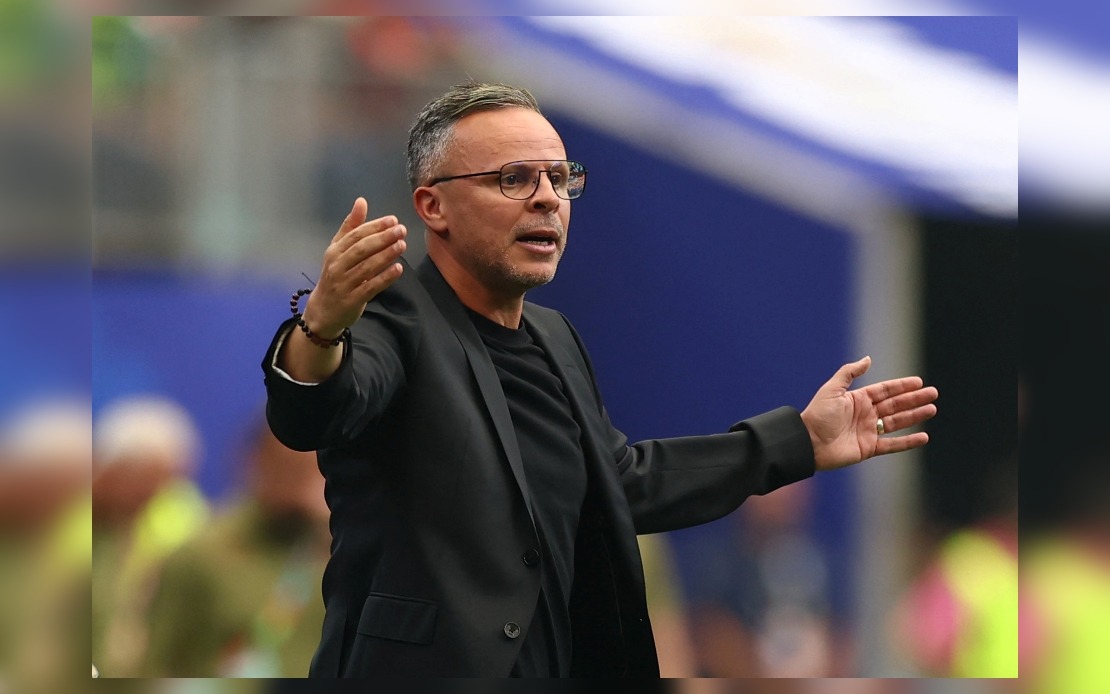
Morocco has cemented its status as a formidable World Cup force following a clinical 3-0 demolition of Canada in the Round of 16 match held in Houston. The comprehensive victory represents a significant statement of intent from the North African side, which now faces France in the quarterfinals. Head coach Mohamed Ouahbi used the post-match press conference to underline a fundamental shift in how the world should perceive his team, moving beyond the narrative of underdog surprise to that of legitimate major power in international football.
Ouahbi's assessment reflected a confidence grounded in tangible achievement. Morocco's progression marks their second consecutive appearance in the knockout stage's latter rounds, building momentum from their historic semifinal run in 2022 when they became the first African nation to reach that stage of the tournament. The coach articulated this evolution deliberately, stating that discussions about Morocco now centre on their credentials as a footballing heavyweight rather than treating them as a novelty story. This repositioning carries significance for African football more broadly, as Morocco continues to elevate the continent's profile in world football's premier competition.
The match itself demonstrated the tactical maturity that separates serious contenders from flash-in-the-pan performers. Canada's approach in the opening period was energetic and purposeful, applying sustained pressure that forced Morocco into uncharacteristic errors while capitalising on transitional opportunities through rapid attacking play. The co-hosts' intensity never wavered, yet their execution in the final third proved ineffective against a Morocco defence that weathered the storm competently. This first-half performance might have suggested a closely contested encounter extending deep into the second period.
However, Morocco's second-half transformation showcased the hallmarks of championship-calibre football. The tactical adjustments implemented by Ouahbi fundamentally altered the match's complexion and trajectory. Morocco seized control through sharper positional play and more purposeful distribution, with passes threaded behind Canada's defensive line creating numerical advantages in dangerous areas. This shift forced Canada into a reactive posture, defending with their own goal increasingly vulnerable rather than commanding territory offensively.
Azzedine Ounahi emerged as the architect of Morocco's emphatic scoreline, netting twice during the second half's dominant spell. Soufiane Rahimi added a third late in the proceedings, ensuring the final scoreline reflected Morocco's superiority without flatter exaggeration. Yet Ouahbi's tactical observations revealed the manager understood that such comfortable winning margins remain relatively uncommon in Round of 16 encounters, where teams typically possess sufficient quality to prevent such lopsided results.
The coach's pre-match assessment proved prescient. Ouahbi had anticipated Canada presenting the most challenging examination Morocco would face to that point in the tournament, and his preparation reflected this sober evaluation. The co-host's legitimate claim to competitiveness was substantiated by their ability to compete at elevated intensity throughout, even if ultimately they could not convert pressure into goals or halt Morocco's tactical reorientation.
Looking ahead to the France quarterfinal, Ouahbi projected unwavering ambition tempered by realism. He rejected any notion of the encounter representing revenge for previous meetings, instead framing Morocco's ambition in universal terms: progressing as far as possible while making their supporters proud. This measured confidence suggested a team comfortable at the tournament's highest level rather than intimidated by the prospect of facing a traditional World Cup power.
Morocco's trajectory carries particular resonance across the Middle East and North Africa region, where football success translates into national pride and continental representation. The team's performances validate investment in African football development and challenge traditional hierarchies in international competition. For Southeast Asian observers, Morocco's rise demonstrates how consistent programme investment and tactical sophistication can elevate any confederation's standard-bearers onto football's world stage regardless of historical pedigree.
The implications for Morocco's forthcoming knockout matches appear favourable on several fronts. The team has demonstrated capacity to adjust tactically in real-time, suggesting coaching acumen and player intelligence sufficient for navigating the unpredictability inherent in quarter-final encounters. The confidence expressed by Ouahbi and presumably shared throughout the squad appears grounded in substantive performance rather than wishful thinking, having dismantled a team competing at the tournament's actual level.
France's 1-0 victory over Paraguay positioned them as Morocco's opponents, creating an intriguing David-and-Goliath narrative despite Morocco's recent dominance. Yet Ouahbi's refusal to frame the encounter defensively, combined with their evident tactical flexibility and second-half brilliance, suggests Morocco will arrive in the quarterfinal with genuine aspirations rather than survival mentality. The match promises a compelling test of whether Morocco can sustain their remarkable recent form against opposition of comparable or superior nominal strength.
Morocco's quarter-final appearance represents the logical extension of their accelerating trajectory, but Ouahbi's consistent message reinforces that the team views this stage not as the destination but merely a checkpoint on a longer journey. Whether Morocco can convert this ambition into additional victories remains uncertain, yet their dispatching of Canada provided compelling evidence that they possess the tactical nuance, individual quality, and collective resolve to trouble even established powerhouses. For African football and the wider global competition, Morocco's emergence as genuine contender rather than sentimental story enriches the World Cup narrative considerably.

