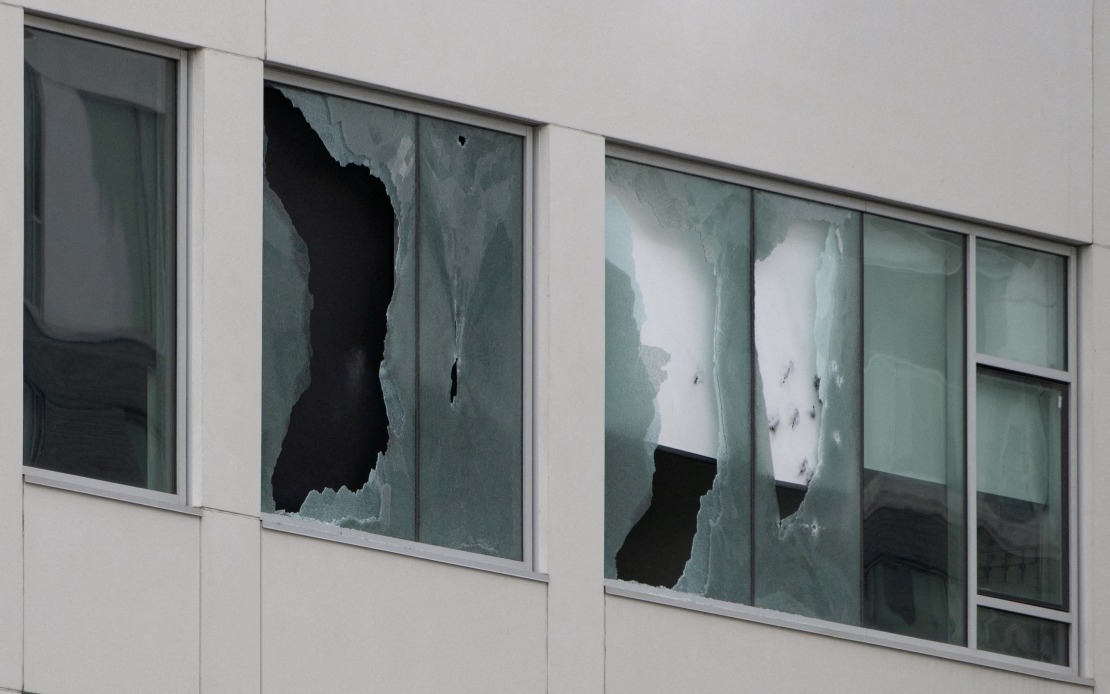
A shooting incident in Montreal on Monday claimed the lives of three people, including an on-duty police officer, in what has become a tragic reminder of the ongoing threat of gun violence in Canadian urban centres. Montreal Police confirmed the officer's death through a statement on social media platform X, expressing profound sorrow at the loss of one of their own while performing official duties. The incident also resulted in the deaths of a resident and the alleged gunman, while two additional individuals sustained injuries during the confrontation.
The sequence of events began when Montreal Police received reports of an armed suspect in the Côte-des-Neiges neighbourhood, prompting a rapid police response to the area. When officers arrived at the scene, they immediately came under gunfire, according to Montreal police chief Fady Dagher. The situation escalated into an armed confrontation that ultimately resulted in the suspect being neutralised. In the aftermath, one additional police officer who was wounded in the exchange was reported to no longer be in life-threatening condition, marking a critical turning point in the medical outcomes of the incident.
Investigators have moved quickly to establish the circumstances and motivations behind the attack. Security authorities have explicitly ruled out any connection to terrorism, a preliminary determination that may help bring some clarity to the investigation. Police have also indicated that they believe the shooter was acting in isolation, with no evidence suggesting additional conspirators or associates involved in the violence. This assessment suggests the incident was not part of a coordinated attack but rather an isolated act of individual violence.
In the immediate aftermath of the shooting, authorities implemented emergency protocols designed to protect residents in the affected neighbourhood. Police issued warnings about an armed and dangerous suspect and instructed area residents to remain indoors with doors and windows secured. The Côte-des-Neiges community was effectively placed on lockdown as officers worked to contain and resolve the threat. Emergency alerts were subsequently lifted as the situation was brought under control, allowing residents to resume normal activities.
Media outlets have reported that investigators discovered what is believed to be a manifesto written by the shooter containing inflammatory and hateful language associated with the incel movement, a toxic online subculture characterised by anti-feminist ideology and misogynistic worldviews. The incel community, an acronym for "involuntary celibates," has been linked to several high-profile violent incidents across North America in recent years. However, security authorities have not yet officially confirmed these details about the manifesto or its contents, leaving open the possibility of additional findings as the investigation deepens.
The discovery of potentially ideologically motivated materials would add another dimension to understanding the incident. The incel movement has become a focus of concern for law enforcement agencies and researchers studying radicalisation pathways that can lead to real-world violence. Members of these online communities often express grievances rooted in perceived rejection and develop increasingly extreme narratives that can normalise violence as a response to personal frustrations. If confirmed, such a connection would underscore how digital spaces can cultivate dangerous ideologies that translate into physical harm.
Montreal has not been immune to such violence in recent times, and this incident reflects broader concerns about public safety in major Canadian cities. The death of an on-duty officer carries particular significance within law enforcement communities across Canada and internationally, serving as a sobering reminder of the dangers faced by police personnel in their daily work. Montreal Police's public acknowledgment of the loss through their social media statement reflected both institutional grief and a commitment to supporting affected families and colleagues.
The ongoing investigation will likely focus on establishing clearer details about the shooter's background, grievances, and the specific circumstances that precipitated the violence. Forensic analysis, witness interviews, and examination of digital records will form the investigative foundation. For Malaysia and Southeast Asia, while gun violence of this scale remains less prevalent due to stricter firearm regulations, the ideological dimensions of this incident—particularly the apparent connection to the incel movement—represent a transnational concern. Online radicalisation transcends borders, and extremist ideologies circulating on international platforms can influence individuals across the region.
The tragic outcome underscores the complex challenge of addressing violence rooted in ideological extremism. Law enforcement agencies across democracies are grappling with how to identify and intervene in cases where individuals may be adopting dangerous online ideologies before they translate into real-world harm. The balance between monitoring potential threats and respecting civil liberties remains a delicate and contentious issue in policing and national security discussions globally.
For Canadian society more broadly, this incident adds to the mounting evidence that gun violence, while statistically less frequent than in the United States, remains a significant public safety challenge. The involvement of an incel ideology suspected connection, if confirmed, would represent another manifestation of how toxic online communities have become vectors for real-world violence. This reality has prompted calls from advocacy groups and policymakers for enhanced digital literacy initiatives and more sophisticated approaches to identifying and supporting individuals at risk of radicalisation through online channels.