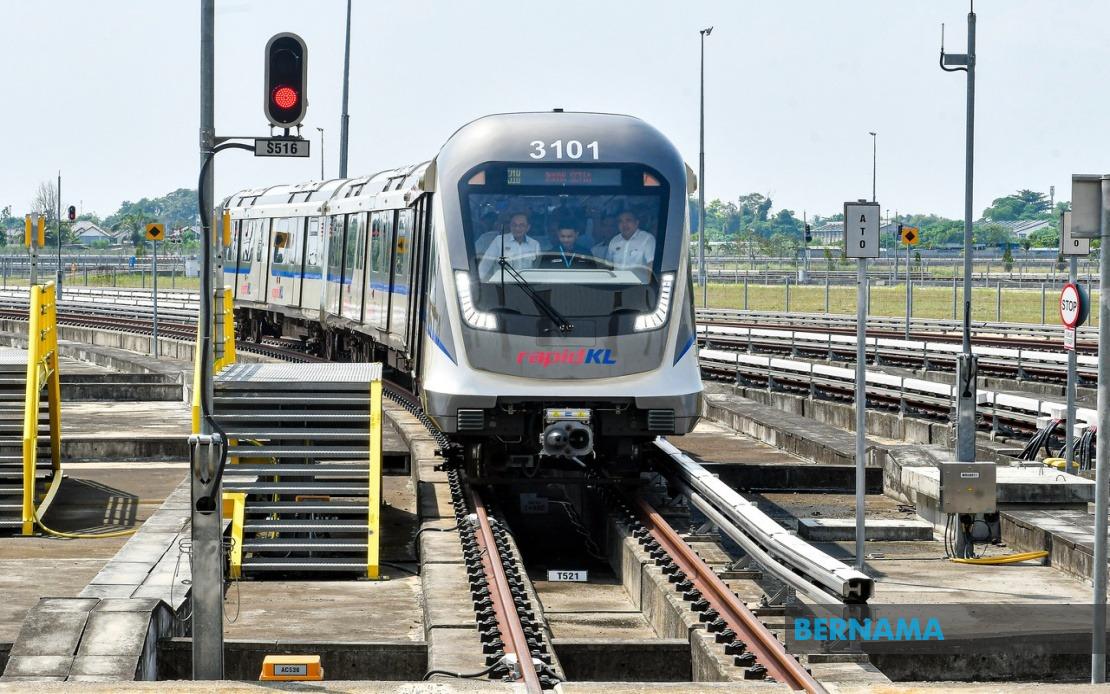
Prime Minister Datuk Seri Anwar Ibrahim has announced a one-month complimentary travel period for the newly operational Light Rail Transit 3 (LRT3) Shah Alam Line, running from June 29 through July 31. The initiative extends to all passengers using the line as well as connecting Prasarana Malaysia Berhad feeder bus services, representing a significant gesture to encourage adoption of the expanded rapid transit network serving the Klang Valley region.
The promotional campaign has resonated strongly with the travelling public, particularly among student communities and young professionals who regularly navigate the Klang and Shah Alam corridors. For many commuters who have historically depended on ride-hailing applications or private transportation options, the elimination of fares during this trial period presents a tangible opportunity to evaluate whether the modern rail infrastructure aligns with their mobility needs and financial constraints. This approach allows potential users to assess the service quality, travel times, and convenience factors without the initial investment typically required when adopting new transit modes.
Universiti Teknologi MARA student Arissa Ahmad Khairul, a 22-year-old journalism scholar, articulated the relief many students feel regarding transport affordability. For undergraduate cohorts juggling limited budgets while maintaining academic commitments, the availability of cost-free transit via the Shah Alam Line represents meaningful financial relief. The enhanced comfort standards aboard modern LRT vehicles, combined with the elimination of daily fare expenses, creates a compelling alternative to previously necessary expenditures on private ride services or vehicular assistance from family members. Her specific case illustrates the connectivity advantages the line provides, directly linking residential areas in Kepong through Bandar Utama to UiTM's Shah Alam campus, thereby reducing both travel duration and cumulative transport spending.
Media professional Yamin Ahmad, aged 25, characterised the promotional period as a strategically sound initiative enabling broader community familiarisation with the expanded transit infrastructure. Beyond the immediate financial advantage of eliminating ticket costs, the complimentary month functions as an extended trial allowing commuters to develop genuine comfort with the new service architecture. This exposure period facilitates informed decision-making by the travelling public regarding their long-term transportation preferences, enabling comparison between the time efficiency and cost economics of rail transit relative to existing alternatives such as personal vehicle operation. By removing the barrier of initial fare obligations, the scheme encourages exploratory usage patterns that might otherwise be delayed or entirely avoided.
The Shah Alam Line carries particular significance for the Universiti Teknologi MARA student body, where enrolment exceeds 42,000 individuals. Mohamad Adib Hazim Mohamad Razali, serving as president of the university's Students' Representative Council, highlighted that approximately 13,500 students reside within campus residential facilities, leaving more than 28,500 students requiring external commuting arrangements to access lectures and campus services. For those based in geographically distant areas such as Kuala Lumpur and Subang Jaya, the dedicated UiTM station along the Shah Alam Line fundamentally transforms accessibility calculations. Previously, off-campus students confronted substantial daily outlays for ride-sharing services or faced extended personal vehicle commutes. The new rail option substantially reduces transportation costs while liberating individuals from vehicle maintenance obligations and parking complications at campus facilities.
The launch of the LRT3 Shah Alam Line represents an important expansion of the Klang Valley's rapid transit network, addressing longstanding connectivity gaps in the greater Selangor region. The line's integration into Prasarana's broader transit ecosystem, coupled with coordinated feeder bus services, establishes comprehensive multimodal connectivity extending beyond the core rail corridor. This holistic approach to regional mobility contrasts with fragmented transit systems where passengers must navigate incompatible fare structures and payment mechanisms across multiple operators.
The complimentary fare period strategically positions the LRT3 Shah Alam Line during the early summer academic calendar, when student commuting patterns are fully established and demand patterns are measurable. This timing allows operators to gather comprehensive ridership data and identify potential infrastructure bottlenecks before implementing standard fare collection systems. The data generated during this promotional period will inform operational refinements and capacity planning for subsequent expansion phases of Malaysia's light rapid transit network.
For the broader Malaysian economy, the successful adoption of the Shah Alam Line contributes to congestion reduction across federal routes and secondary highways serving the Klang Valley corridor. Reduced vehicular traffic generates positive externalities including lower fuel consumption, diminished air pollutant emissions, and decreased wear on critical road infrastructure. Public transport adoption simultaneously supports government objectives regarding urban sustainability and carbon emission reduction across the Southeast Asian region, positioning Malaysia as a progressive adopter of modern transit solutions.
The promotional initiative also signals governmental commitment to affordable mobility access across socioeconomic strata. By removing financial barriers during the initial service period, policymakers ensure that transit adoption decisions reflect genuine preference rather than affordability constraints. This approach aligns with broader developmental objectives emphasising equitable access to essential services and recognises the critical role reliable transportation plays in enabling educational attainment, employment access, and economic mobility for younger demographic segments.
Looking forward, the data accumulated during the month-long complimentary period will prove invaluable for Prasarana operations planning. Operator insights regarding peak demand windows, passenger flow patterns, and service reliability will inform staffing allocations, maintenance schedules, and future capacity investments. The promotional window effectively functions as an extended stress-test for the newly implemented system, enabling identification of operational refinements necessary before imposing standard fare structures. Success during this initial period will likely generate positive word-of-mouth advocacy among early adopters, facilitating smoother integration of subsequent fare implementation phases.

