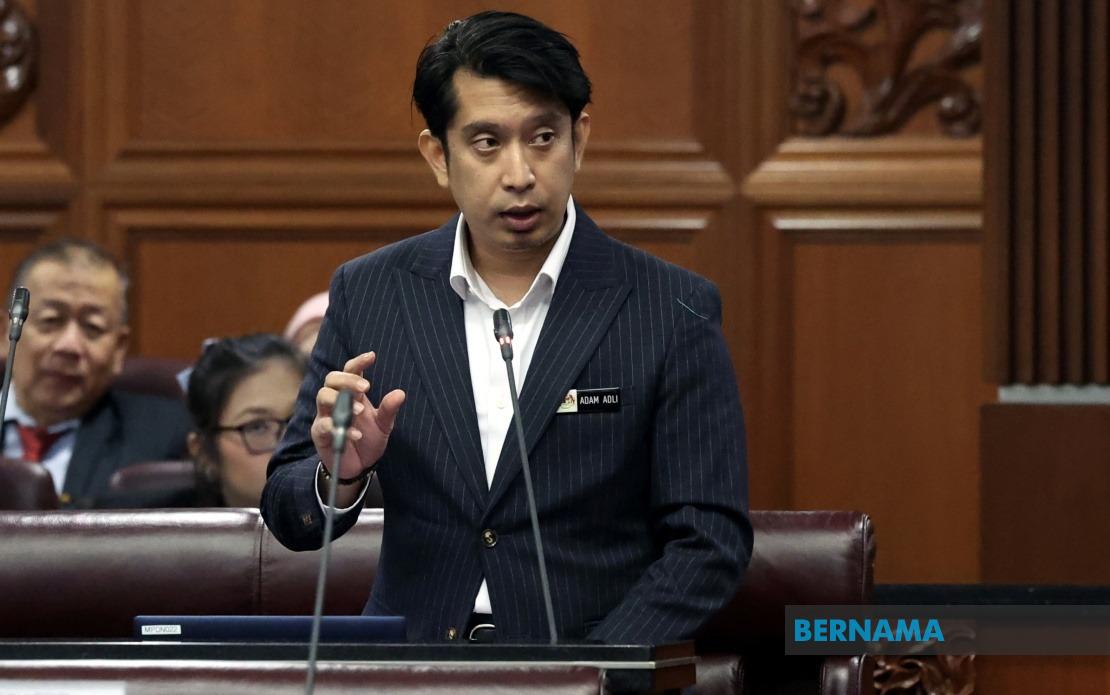
The Ministry of Higher Education is moving forward with plans to construct a major residential facility in Betong, Sarawak, with capacity for approximately 700 students, addressing longstanding accommodation pressures at two key technical education institutions in the region. Deputy Higher Education Minister Adam Adli Abd Halim outlined the initiative during a parliamentary session, confirming that the ministry is currently refining the proposal to establish a residential college serving Politeknik Metro Betong Sarawak (PMBS) and Kolej Komuniti Betong. The project reflects the government's broader commitment to extending quality vocational education infrastructure into Malaysia's rural heartlands, where student access to boarding facilities remains a persistent challenge.
The proposed hostel would occupy an 8.814-hectare federally owned site in Batu Api district, positioned approximately 650 metres from the PMBS campus. The Sarawak Land and Survey Department has identified this location as suitable for the development, though the ministry must still navigate administrative hurdles before construction can commence. Adam Adli indicated that MOHE will formally request a change in land designation and secure approval from the Prime Minister's Department, which holds ownership of the property. These procedural steps underscore the complexity of implementing infrastructure projects in Malaysian rural areas, where coordinating across multiple government agencies remains a critical pathway to realisation.
The timing of this announcement gains significance against the backdrop of persistent underutilisation at PMBS itself. The polytechnic currently enrolls 291 students across two diploma programmes—Finance and Tourism Management—despite possessing capacity to accommodate 600 learners. This substantial gap between actual and potential enrolment suggests that accommodation constraints may represent a genuine barrier to student recruitment, particularly for candidates from remote communities who lack nearby housing options. By expanding residential capacity, the ministry appears to be addressing a foundational obstacle to attracting and retaining TVET students in Sarawak's interior regions, where geographic isolation has historically limited vocational education access.
Beyond dormitory provision, PMBS is preparing to strengthen its academic offerings to drive enrolment growth and institutional competitiveness. Beginning in December, coinciding with Session 2 of the 2026/2027 academic year, the polytechnic will launch a Diploma in Business Information Systems—a curriculum addition intended to diversify career pathways and appeal to students seeking technology-focused qualifications. This programme expansion reflects broader sectoral trends toward digitisation and reflects MOHE's strategy of aligning TVET provision with emerging labour market demands. The introduction of business systems training alongside existing financial and hospitality programmes positions PMBS to better serve diverse student aspirations and employment requirements across Sarawak's evolving economy.
The ministry has also recognised the value of broader pedagogical approaches extending beyond traditional diploma structures. PMBS currently delivers various short-term courses under its Lifelong Learning (PSH) agenda, encompassing workshops in accounting and tourism management that attracted 1,137 participants during the previous year. This component of activity demonstrates that technical polytechnics increasingly function as community learning hubs rather than exclusively degree-granting institutions, serving mature learners, upskilling workers, and equipping individuals with targeted professional competencies. The robust uptake of these supplementary offerings indicates substantial demand for flexible, skill-focused education in rural Sarawak, validating the broader institutional expansion strategy.
While awaiting the phased realisation of the hostel project, PMBS has established a Student Residential and Accommodation Management Committee tasked with overseeing welfare, housing coordination, and safety protocols for students currently renting accommodation proximate to campus. This interim governance structure acknowledges that accommodation challenges persist in the present environment and require immediate administrative attention. By formalising these coordination mechanisms, the polytechnic demonstrates proactive engagement with student welfare considerations—an essential precondition for sustaining enrolment expansion and fostering a supportive institutional culture.
The initiative responds directly to concerns raised regarding Sarawak's rural educational equity and the economic prospects of younger cohorts. During parliamentary debate, Datuk Dr Richard Rapu (GPS-Betong) pressed the ministry regarding the potential elevation of PMBS to full polytechnic status, citing equity imperatives and the necessity to safeguard rural youth futures. Rather than immediately pursuing formal polytechnic designation, Adam Adli positioned the accommodation initiative as a foundational prerequisite—suggesting that addressing fundamental student welfare infrastructure must precede more ambitious structural transformations. This sequenced approach reflects pragmatic assessment of institutional development priorities, emphasising that housing and amenity foundations require resolution before advancing applications for enhanced status to central agencies.
The proposal carries particular resonance for Southeast Asian policymakers grappling with similar rural-urban educational disparities. Malaysia's experience in Sarawak illuminates the multifaceted nature of expanding vocational access beyond urban cores, encompassing not merely curriculum or enrolment targets but also the material infrastructure—housing, transport, support services—that enables rural students to participate meaningfully in technical education. The Betong initiative therefore constitutes a case study in integrated rural education development, addressing simultaneously the supply-side constraints of accommodation capacity and the demand-side barriers confronting geographically isolated learners.
The project timeline remains fluid, with MOHE pursuing land use approvals and Prime Minister's Department clearance across coming months. Adam Adli's emphasis on expeditious resolution signals ministry determination to advance the initiative, though government land transactions and inter-agency coordination typically require substantial processing periods. Stakeholders in Sarawak—including students, families, local authorities, and employers requiring TVET-trained workers—await concrete progress on both the hostel development and the complementary curriculum expansion at PMBS. Success in materialising this dual initiative would substantially enhance the institution's capacity to attract Sarawak's youth into technical pathways, ultimately strengthening the region's skilled workforce and contributing to broader national competitiveness objectives.

