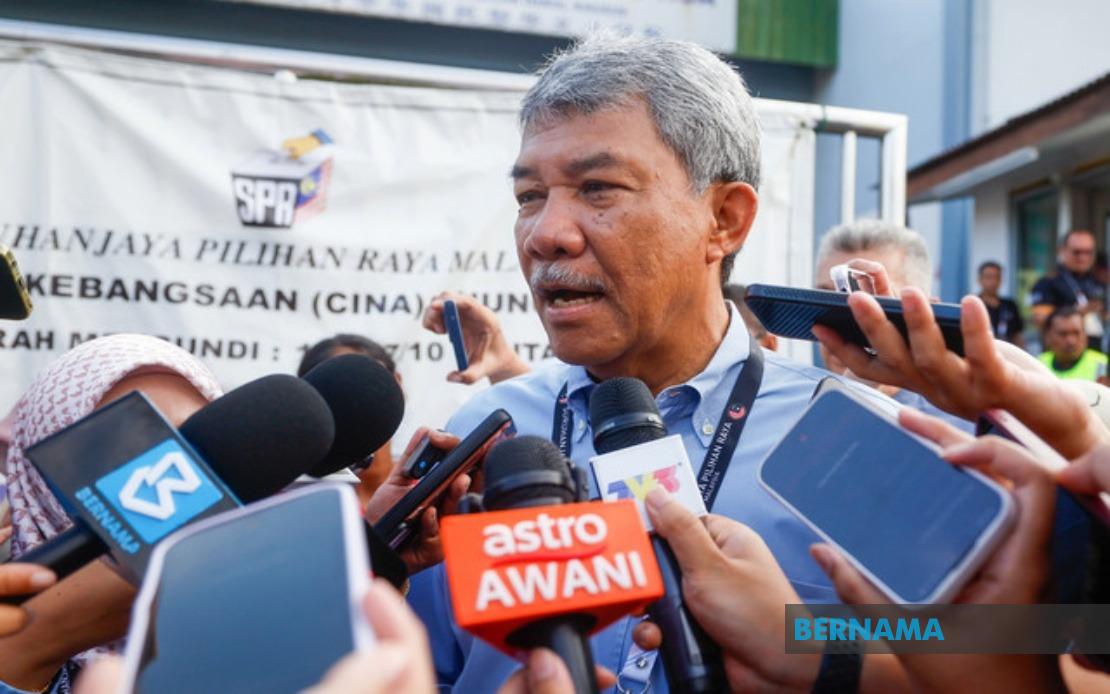
Malaysia's Foreign Minister Datuk Seri Mohamad Hasan will welcome senior delegations from Cambodia and Laos next week as the country hosts the annual Joint Commission Meetings with both neighbours, underscoring Kuala Lumpur's deepening engagement with key Southeast Asian partners during a period of heightened regional uncertainty. The Cambodian Deputy Prime Minister and Foreign Minister is scheduled to arrive on Tuesday for official talks, followed shortly by Laos' Deputy Prime Minister and Foreign Minister as part of Malaysia's commitment to maintaining robust bilateral relations across the region.
The visits represent part of Malaysia's established diplomatic framework with neighbouring countries, where high-level officials convene periodically to review bilateral cooperation, address shared challenges, and chart the direction of economic, security, and cultural ties. By hosting both delegations this year, Malaysia reinforces its position as a stable diplomatic hub within Southeast Asia, particularly significant given the complex geopolitical backdrop against which these nations operate. The timing of these visits reflects the priority both Cambodia and Laos place on maintaining strong connections with Kuala Lumpur at a moment when regional stability remains a pressing concern for policymakers across ASEAN.
Mohamad revealed that he had initially been scheduled to travel to Amman, Jordan on August 5 to attend an emergency gathering of Arab and Islamic nations focused on the escalating Palestinian situation. This represents a notable diplomatic sacrifice, as Malaysia has historically been vocal on Middle Eastern affairs and Palestinian rights within international forums. The decision to remain in Malaysia underscores the pressures facing foreign ministries when managing competing diplomatic obligations during particularly busy periods.
To represent Malaysia's interests at the Amman emergency meeting, Mohamad will delegate the task to Malaysia's Permanent Representative to the United Nations, a position currently held by an official serving concurrently as Deputy Secretary-General of the Foreign Ministry. This appointment carries significant weight, as the representative brings substantial expertise on Palestinian affairs and the nuances of Arab-Islamic diplomacy. The arrangement demonstrates Malaysia's continued commitment to participating meaningfully in Middle Eastern discussions despite the scheduling conflict, ensuring that a knowledgeable voice advocates for Malaysian and Muslim-majority perspectives on developments in Palestine.
The Foreign Minister's decision reflects broader pressures within Wisma Putra, Malaysia's foreign ministry, which is navigating an exceptionally demanding calendar in a geopolitical environment marked by unpredictability and heightened tensions. Regional instability, great power competition, and numerous bilateral or multilateral flashpoints have expanded the workload of diplomatic missions worldwide, and Malaysia is no exception. The ministry must manage not only scheduled bilateral engagements but also respond to emerging crises and unanticipated diplomatic needs that demand immediate attention from senior leadership.
Mohamad acknowledged that the current workload at Wisma Putra extends beyond routine diplomacy, encompassing unscheduled consultations and emergency meetings required by the volatile international landscape. This candid observation highlights how diplomatic institutions globally have had to adapt their operational rhythms to accommodate the frequency and urgency of contemporary geopolitical developments. For Malaysia, a nation whose foreign policy interests span the Middle East, China, India, the United States, Europe, and regional concerns, the pressure to maintain engagement across multiple fronts simultaneously has intensified considerably.
The need for frequent international travel by senior foreign ministry officials, combined with the steady stream of incoming delegations, has created a demanding schedule that forces difficult prioritization decisions. Mohamad's inability to attend the Amman summit, despite its significance for Malaysia's standing among Arab and Islamic nations, illustrates how even important international commitments must sometimes yield to pressing domestic diplomatic obligations. The Cambodia and Laos visits fall into this category of priority commitments that cannot be deferred without damaging bilateral relationships or disrupting established diplomatic calendars.
From Malaysia's perspective, the upcoming Joint Commission Meetings with Cambodia and Laos carry strategic importance beyond routine bilateral engagement. Both countries share maritime boundaries or terrestrial connections with Malaysia and play roles in regional security architecture, ASEAN cohesion, and economic integration efforts. Cambodia's position in mainland Southeast Asia and Laos' role as a landlocked connector between the region and China make these relationships particularly valuable as Malaysia navigates the complex balance required in Southeast Asian diplomacy.
The concentrated scheduling of these high-level visits within a single week also reflects practical diplomatic efficiency, allowing Mohamad and his team to address multiple bilateral relationships simultaneously rather than spacing them across several months. This clustering approach, while demanding in the short term, permits deeper institutional engagement and allows ministry officials to maintain consistency in their positioning on regional issues and multilateral initiatives affecting all three countries. The compressed timeline, though challenging, ultimately serves Malaysia's diplomatic interests by demonstrating the government's commitment to these partnerships despite competing international obligations.
The broader context of these visits includes ASEAN's ongoing efforts to maintain unity and relevance amid great power competition and the various bilateral and multilateral initiatives that member states juggle constantly. Malaysia, as a respected ASEAN voice with diverse international relationships and significant economic and security interests throughout the region and beyond, bears particular responsibility for maintaining constructive engagement across the association. The visits from Cambodia and Laos next week, therefore, represent not merely bilateral matters but part of Malaysia's larger strategy for preserving regional stability and cohesion during an uncertain period.

