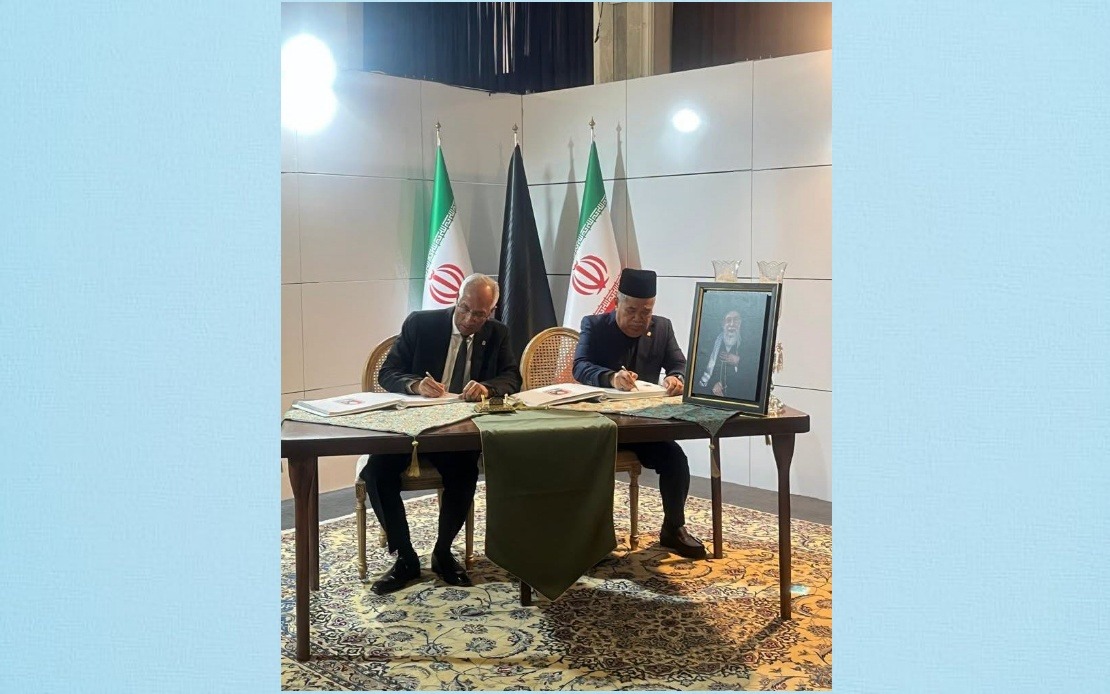
Malaysia's Minister of Agriculture and Food Security Datuk Seri Mohamad Sabu led an official government delegation to Iran on July 4 to participate in the solemn rites honouring the death of Ali Khamenei, the former Supreme Leader of Iran. The ceremony took place at the Grand Mosalla in Tehran, where Mohamad paid tribute alongside senior Iranian officials who extended formal welcomes to the visiting Malaysian contingent. The gesture underscores Malaysia's diplomatic engagement with Iran during a period of heightened regional sensitivities and reflects the two nations' established relationship in Muslim-majority circles.
The death of Khamenei followed an attack more than 100 days earlier, on February 28, which Malaysia and regional observers attributed to involvement by the United States and Israel. The extended timeline between the incident and these formal mourning ceremonies reflects the scale and significance Iran has accorded to the state funeral proceedings. Mohamad's participation, as a senior government minister, signals Malaysia's recognition of the occasion's gravity and its commitment to maintaining stable bilateral relations with Tehran despite complex regional dynamics.
Upon arriving in Tehran, Mohamad was received by Mohammad Bagher Ghalibaf, the Speaker of the Iranian Parliament, and Abbas Araghchi, Iran's Foreign Minister. These high-level receptions demonstrate the respect Iran accorded to the Malaysian delegation and suggest pre-arranged diplomatic protocols that reflect the importance both nations place on their relationship. Such ceremonial courtesies carry significance beyond mere protocol in Middle Eastern diplomatic practice, often signalling mutual recognition and shared values between governments.
The funeral arrangements themselves constitute an extensive ritual spanning multiple cities across Iran and Iraq. The ceremonies commenced in Tehran before proceeding to Qom, a centre of Shia religious learning and authority. The procession would subsequently move to Najaf in Iraq, home to one of Shia Islam's holiest shrines, and then to Karbala, another site of immense spiritual significance. This multi-city itinerary reflects Islamic traditions of honouring deceased religious and political leaders of supreme importance, with each location representing strategic religious and geographical significance within the Shia world.
The final burial was scheduled for July 9 at the Imam Reza Shrine in Mashhad, Iran's most sacred site and one of the most visited pilgrimage destinations in the Islamic world. The choice of Mashhad as the burial location carries profound symbolic weight, elevating Khamenei's status within Iran's national consciousness and religious identity. For Malaysian observers, particularly those with ties to Shia communities or scholarly networks, this arrangement would have held particular meaning in understanding Iran's internal spiritual and political landscape.
From Malaysia's perspective, the delegation's presence at these ceremonies reflects the country's diplomatic positioning within Muslim-majority nations and its historical practice of maintaining relations across diverse Islamic schools of thought. Malaysia, as a Sunni-majority nation, has consistently engaged with Shia-led Iran, recognizing shared interests in regional stability, economic cooperation, and mutual support within international forums. This diplomatic balance requires careful navigation, particularly given Malaysia's simultaneous relationships with Gulf states and other regional actors with varying perspectives on Iran.
Modified Sabu's participation also carried domestic significance for Malaysia. The minister's public acknowledgement of the event through Facebook, combined with prayers for the deceased's soul in accordance with Islamic tradition, demonstrated Malaysia's commitment to expressing solidarity with Iran's government and people during their period of mourning. Such gestures, though primarily symbolic, contribute to the broader fabric of bilateral relations and mutual understanding between nations.
The timing of these ceremonies, occurring more than a century of days after Khamenei's death, reflects Iran's methodical approach to state funerals and the logistical demands of coordinating ceremonies across multiple cities while managing international delegations. For Malaysian officials, the extended timeframe would have provided opportunity to coordinate travel and representation with other government priorities. The deliberate pace also allowed Iran to construct a comprehensive narrative around Khamenei's legacy and his significance within the Islamic Republic's founding ideals.
Regionally, Malaysia's representation at these ceremonies positions the country as a respected participant in Islamic diplomatic networks, maintaining relationships across different political spheres within the Muslim world. This approach has historically served Malaysia's interests by preserving flexibility in foreign policy while advancing shared Islamic causes and humanitarian concerns. The delegation's presence also signals to other Muslim-majority nations and international observers that Malaysia continues to recognize Iran's legitimacy and significance despite geopolitical tensions affecting the Middle East.
For observers monitoring Malaysia's foreign policy trajectory, the decision to send a senior minister rather than lower-ranking diplomatic staff suggested considerable importance attached to the gesture. Agricultural cooperation, though Mohamad's formal portfolio, often serves as a vehicle for broader diplomatic engagement between nations. Iran's agricultural sector and food security concerns intersect with Malaysia's agricultural expertise, potentially opening avenues for future bilateral cooperation beyond the ceremonial occasion.
The delegation's journey through multiple Iranian cities would have provided Malaysian officials with observations regarding public sentiment in Iran and the apparent significance Iranians themselves attributed to Khamenei's passing. Understanding public mood and national priorities in allied countries constitutes part of diplomatic intelligence gathering and informed policymaking. Such visits furnish Malaysian officials with firsthand perspectives that shape subsequent policy decisions and international messaging.

