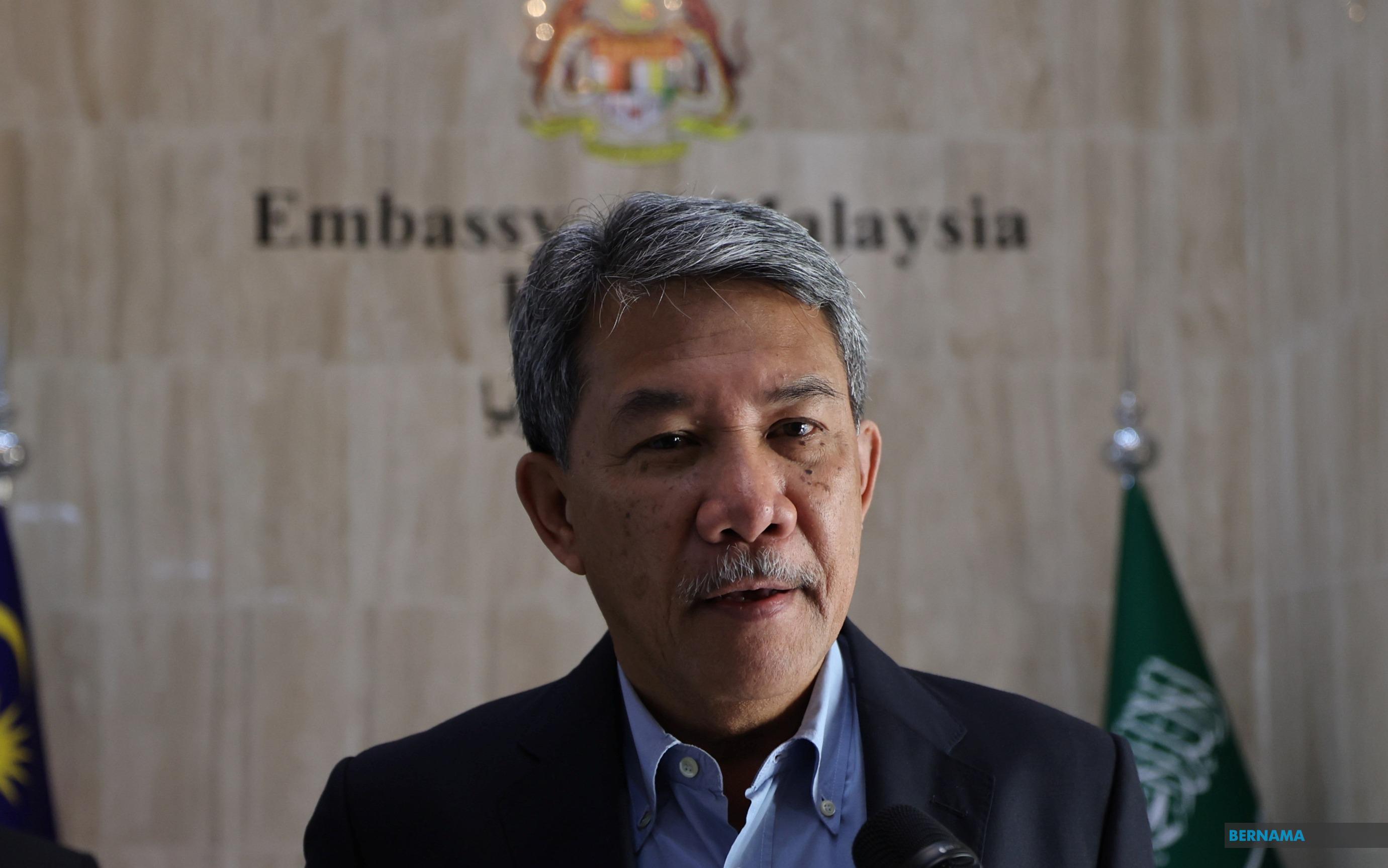
Foreign Minister Datuk Seri Mohamad Hasan has embarked on a working visit to Brunei that will run through August 22, marking another chapter in the longstanding diplomatic engagement between the two neighbouring Southeast Asian nations. The Ministry of Foreign Affairs confirmed the visit's schedule, which encompasses two significant bilateral forums designed to strengthen ties and address shared concerns across multiple policy areas. The timing and scope of this engagement reflect the continued importance Malaysia and Brunei place on maintaining robust institutional dialogue at the ministerial level.
The centrepiece of Mohamad Hasan's itinerary is the 27th Malaysia-Brunei Annual Leaders' Consultation, scheduled for August 22, which serves as the highest-level bilateral mechanism between the two countries. This annual forum has evolved as a cornerstone of bilateral relations, providing a structured platform for leaders to discuss strategic priorities, chart the trajectory of cooperation, and address contentious matters requiring political attention. The ALC format underscores how Malaysia and Brunei have institutionalised their relationship through regular high-level engagement, a practice that has helped both nations navigate complex regional dynamics and bilateral challenges over decades.
Preceding the leaders' consultation by one day is the 27th Malaysia-Brunei Exchange of Letters Implementation Meeting, scheduled for August 21. Mohamad Hasan will co-chair this session alongside Brunei's Second Minister of Foreign Affairs, Datuk Seri Setia Erywan Mohd Yusof. The EOL mechanism functions as the workhorse of bilateral diplomacy, operating at a technical and policy-execution level below the leaders' summit. This tiered approach allows officials to resolve implementation challenges, monitor progress on previous commitments, and prepare groundwork for higher-level decision-making. The EOL meeting's focus on evaluating bilateral issues demonstrates how both governments systematically track the health of their relationship across multiple domains.
A critical area expected to receive attention during these discussions involves the longstanding matter of land and maritime boundaries between the two countries. This perennial issue requires ongoing diplomatic management and technical coordination to prevent misunderstandings and maintain stability in shared border regions. The commitment of senior ministers to revisit boundary questions at each annual cycle reflects the sensitivity and complexity of these demarcation issues, which touch on sovereignty, resource access, and regional security. Malaysia and Brunei's willingness to address these matters through structured dialogue rather than allow tensions to fester represents a model of pragmatic bilateral relations in Southeast Asia.
Beyond boundary matters, the EOL meeting will focus substantially on strengthening economic cooperation between the two nations. Trade relationships form the practical foundation of any sustained bilateral partnership, and Malaysia-Brunei economic ties have demonstrated notable resilience. In 2025, bilateral trade reached RM5.86 billion, equivalent to USD 1.37 billion, reflecting the significant commercial interdependence between the two economies. This figure demonstrates that despite their modest population bases, Malaysia and Brunei maintain substantial economic exchanges that benefit businesses, investors, and workers in both countries. The continued emphasis on economic cooperation suggests that officials are seeking new avenues for trade expansion and investment collaboration amid evolving regional economic dynamics.
The first half of 2026 has seen bilateral trade totalling RM2.38 billion, or USD 0.6 billion, indicating a trajectory that will likely exceed the previous year's performance if current trends persist. This projection underscores the vitality of Malaysia-Brunei commercial relations and the mutual interest in sustaining and accelerating economic engagement. The EOL discussions will likely examine specific sectors where both nations can deepen cooperation, whether through facilitating trade in goods, expanding service-sector collaboration, or exploring joint investment opportunities. For Malaysian businesses, particularly those in the region, stronger bilateral mechanisms can translate into clearer market access and reduced bureaucratic friction.
The significance of these meetings extends beyond the immediate bilateral relationship. Malaysia and Brunei's commitment to regular, structured dialogue contributes to broader regional stability in Southeast Asia. As both nations navigate their roles within ASEAN and maintain external partnerships, their internal bilateral relationship serves as a stabilising force. The willingness of senior government figures to invest time in these forums signals to the broader international community that Malaysia and Brunei prioritise peaceful resolution of differences and cooperative engagement. This approach has particular relevance in a region where maritime disputes and border complexities remain persistent challenges for several country pairs.
From a Malaysian perspective, this visit reinforces the strategic importance Kuala Lumpur assigns to its relationship with Brunei. Despite Brunei's smaller size and population, its strategic location along maritime shipping routes, its oil and gas resources, and its role as a fellow ASEAN member make it an important partner in Malaysia's regional strategy. The Foreign Ministry's detailed announcement of the visit's agenda demonstrates the administrative weight placed on maintaining momentum in bilateral affairs. For Malaysian readers and stakeholders, these regular consultations provide assurance that territorial and economic matters with a neighbouring country are subject to professional diplomatic attention rather than left to deteriorate through neglect.
The ALC mechanism itself has historical importance, having been established to create a regularised channel for leaders to confer on matters of mutual concern. By conducting these consultations annually, Malaysia and Brunei ensure that misunderstandings do not accumulate and that cooperative opportunities are continuously identified. The involvement of Mohamad Hasan, as Foreign Minister, underscores that these are matters of state significance warranting attention at the cabinet level. His presence and direct engagement in the implementation meeting alongside Erywan Mohd Yusof reflects how both governments view even technical-level bilateral work as deserving ministerial supervision.
Looking ahead, the outcomes of these discussions will likely shape Malaysia-Brunei relations over the coming year and provide momentum for the 28th annual cycle of consultations. The pattern of regular engagement, combined with tangible progress on trade and economic matters, suggests that this bilateral relationship will continue to deepen. For Malaysian businesses seeking to expand into Brunei or for those with existing operations there, these high-level discussions often precede practical policy changes that affect market conditions and regulatory environments. The diplomatic work undertaken during these August meetings thus has real economic implications that will ripple through private sector activities in the months to come.

