Indian Prime Minister Narendra Modi held extensive discussions with Indonesia's President Prabowo Subianto in Jakarta on Tuesday, signalling a deeper commitment to expanding the strategic partnership between Asia's two most populous democracies at a time when traditional economic structures face mounting pressures. The bilateral talks, conducted at the Merdeka palace following a formal ceremonial reception, underscored New Delhi's strategic pivot towards Southeast Asia and Jakarta's determination to consolidate ties with a major Asian power as geopolitical alignments continue to shift.
The visit encompassed a comprehensive agenda spanning multiple dimensions of bilateral cooperation. Defence and security arrangements occupied a prominent position in discussions, alongside trade expansion, investment frameworks, food and energy security considerations, critical minerals sourcing, and capacity-building initiatives across healthcare and educational sectors. The breadth of the agenda reflects how both nations view their relationship not merely as bilateral engagement but as a foundation for regional stability and economic resilience across the Indo-Pacific.
Indonesia's Foreign Minister Sugiono announced that eight formal agreements and multiple memorandums of understanding would be signed during the visit, demonstrating the institutional depth being given to this partnership. These instruments represent the practical operationalisation of strategic intent, moving beyond rhetorical commitments to concrete frameworks that will guide implementation across various sectors over coming years.
Modi's arrival in Jakarta on Monday marked the commencement of his three-nation Indo-Pacific tour, which would subsequently take him to Australia and New Zealand. The symbolism of Indonesia as the first stop was significant, reflecting its centrality to India's regional strategy. The ceremonial reception—featuring three Indonesian fighter jets escorting Modi's aircraft into national airspace and Prabowo's personal greeting at Halim Perdanakusuma Air Force Base—conveyed the premium Jakarta places on this relationship. The choice of venue and protocol underscored how both capitals seek to demonstrate their commitment to closer ties before domestic and international audiences.
This represents Modi's second visit to Indonesia since assuming office in 2014, with his previous bilateral tour occurring in 2018. The interval reflects how much the strategic context has evolved, particularly given Prabowo's recent assumption of Indonesia's presidency following his attendance at India's Republic Day celebrations as chief guest in January. The reciprocal high-level visits between the two leaders establish a personal dimension to official relations that often determines the trajectory and sustainability of strategic partnerships in the region.
Defence cooperation featured prominently in anticipated outcomes, with Indian officials confirming that Indonesia has expressed serious interest in acquiring India's BrahMos supersonic cruise missile system. According to Indian Ambassador to Indonesia Sandeep Chakravorty, discussions have reached advanced stages, suggesting that a purchase agreement may be imminent. This would represent a significant technological transfer and underlines how India is positioning itself as a reliable defence supplier to major Southeast Asian nations, offsetting competing offers from traditional suppliers and emerging players in the arms market.
Beyond equipment procurement, maritime security cooperation emerged as another critical pillar. Given that India and Indonesia sit astride crucial maritime corridors linking the Indian and Pacific oceans, both nations share fundamental interests in ensuring freedom of navigation and protecting vital shipping routes from disruption. Coordinated approaches to maritime challenges—ranging from piracy and smuggling to environmental protection—offer opportunities for substantive cooperation that directly benefits both economies and the wider region's commercial and strategic interests.
A notable innovation anticipated during the visit is the launch of the Indonesia Open Network, a digital commerce platform modelled on India's digital public infrastructure framework. This initiative reflects growing recognition that digital infrastructure represents a crucial component of modern economic competitiveness. By adopting Indian technological approaches adapted to Indonesian conditions, Jakarta signals confidence in New Delhi's digital innovation capabilities while building shared standards that could eventually facilitate broader regional integration.
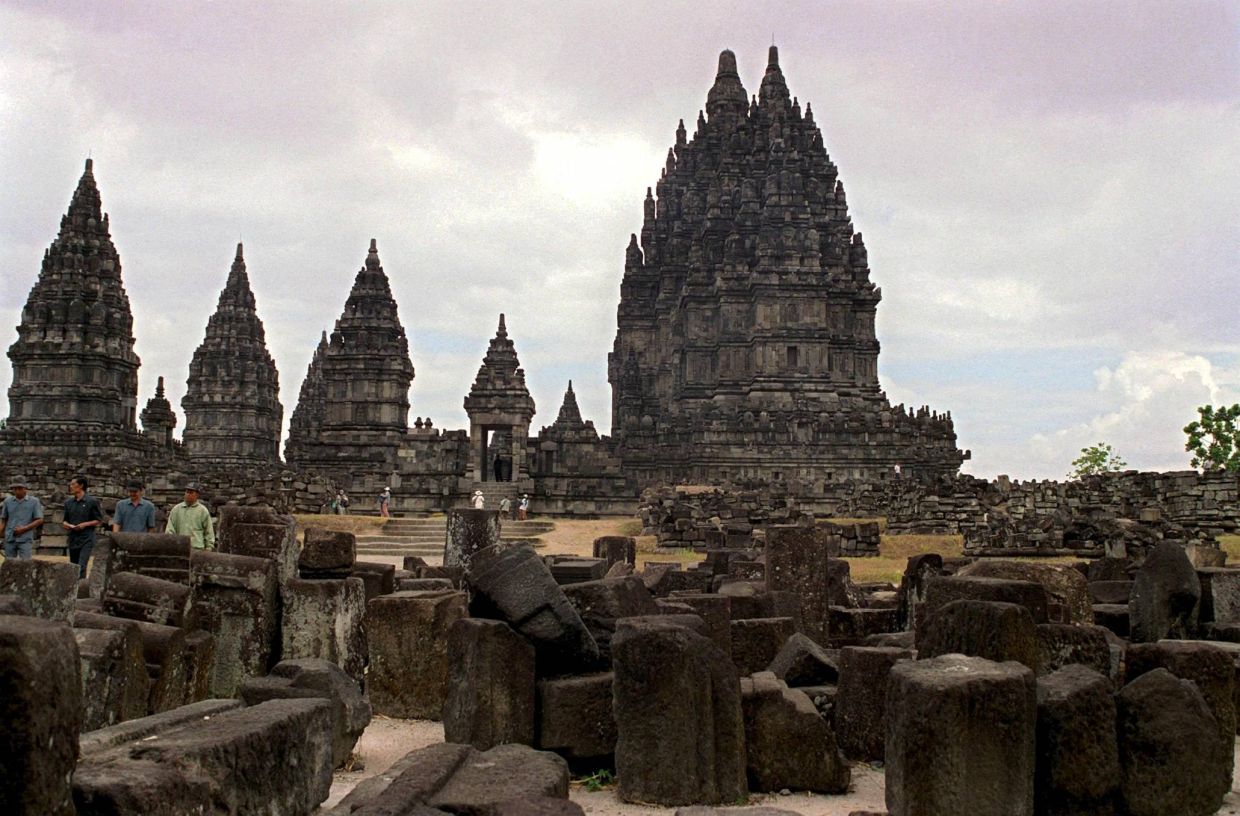
During his Wednesday visit to Yogyakarta, Modi is expected to announce India's support for a restoration project at Prambanan, the celebrated Hindu temple complex that ranks among Indonesia's most treasured cultural monuments. This cultural dimension adds significant value to the strategic relationship, demonstrating how high-level partnerships can extend beyond conventional security and economic domains to encompass heritage preservation and civilisational exchange. The project follows earlier commitments made during Prabowo's New Delhi visit, showing how cultural initiatives reinforce broader strategic objectives.
Indian Ambassador Chakravorty characterised the bilateral engagement within the broader context of Global South cooperation, emphasising that stronger ties between major developing democracies send an important signal about unity and mutual support. This framing responds to contemporary discussions about whether emerging economies can maintain coordinated positions on global issues or whether great power competition will fragment the developing world into competing blocs. India and Indonesia's demonstrated capacity to strengthen relations despite global uncertainties offers a counternarrative suggesting that shared interests and geographic proximity remain powerful drivers of strategic alignment.
Both nations hold membership in the Group of 20 major developing economies and BRICS, platforms through which they increasingly articulate collective positions on international economic governance and development priorities. Their bilateral strengthening thus acquires multilateral significance, potentially enhancing coordination on shared positions within these forums and reinforcing India's and Indonesia's capacity to influence global economic governance structures.
For Malaysian observers and policymakers, the Modi-Prabowo engagement warrants careful attention. As ASEAN's second-largest economy after Indonesia, Malaysia sits within Indonesia's sphere of regional influence while maintaining its own strategic partnerships with major powers including India. The deepening India-Indonesia relationship creates new patterns of regional alignment that could affect Malaysia's own strategic positioning, trade arrangements, and participation in regional architecture. How these two major democracies coordinate on Southeast Asian affairs—from connectivity initiatives to security arrangements—will substantially shape the region's trajectory over the coming decade.

