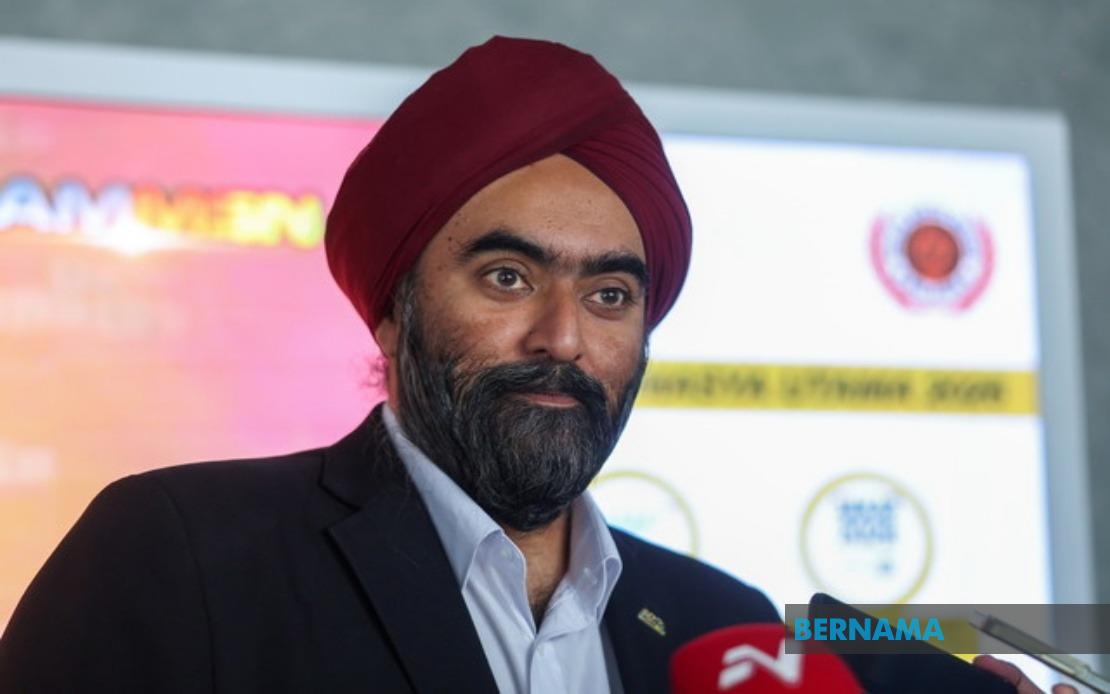
The Malaysian National Cycling Federation has escalated efforts to break the deadlock with Yayasan Sime Darby over the shelved YSD Track Cycling and BMX Series 2026, with federation president Datuk Amarjit Singh Gill announcing plans for immediate high-level discussions to restore the talent development programme. Gill made the appeal during the launch and route announcement of Le Tour de Langkawi 2026 at Menara KBS in Putrajaya on June 25, underscoring the urgency of resolving what he characterises as a resolvable disagreement between two collaborative institutions.
The postponement represents a significant setback for Malaysian cycling's developmental pipeline, as the YSD-backed series has served as a critical platform for nurturing emerging talent in track and BMX disciplines. Gill's intervention signals that the federation views the impasse as a matter requiring intervention at executive level, rather than a technical dispute that can be resolved through routine administrative channels. The decision to publicly appeal for dialogue suggests underlying tensions that routine coordination has failed to address.
In his statement, Gill emphasised that while Yayasan Sime Darby cited technical issues as the reason for postponement, the federation believes these concerns do not represent insurmountable obstacles. Rather than becoming embroiled in a public dispute over specifics, the MNCF president framed the situation as a partnership challenge requiring principled engagement and acknowledgment of each party's role. This diplomatic approach reflects awareness that extensive public recrimination could damage both organisations' reputations and further derail cycling development efforts.
The federation president stressed the importance of mutual respect as a foundational principle in any strategic partnership, particularly one as significant as the collaboration with Yayasan Sime Darby. By emphasising this theme repeatedly, Gill appeared to signal that perceived slights or failures in protocol recognition may have contributed to the breakdown. For Malaysian readers familiar with corporate and institutional culture, this language carries implications about how decisions were communicated and whether proper consultation procedures were followed before the postponement announcement.
Gill indicated MNCF's willingness to accommodate YSD's scheduling preferences and to meet at times convenient to the foundation's leadership. This flexibility demonstrates the federation's commitment to preserving the partnership despite current tensions. The statement also subtly suggests that responsibility for scheduling accommodation should not fall solely on the cycling federation, positioning MNCF as a reasonable party seeking compromise from an equal partner rather than a subordinate entity accepting unilateral decisions.
The postponement of the series carries implications beyond the immediate programmes affected. Yayasan Sime Darby's backing represents one of the most significant private-sector investments in Malaysian cycling talent development, and disruption to these initiatives could hamper the nation's competitiveness in regional and international track and BMX competitions. Young athletes who had structured their training around the series' calendar now face uncertainty about competition opportunities and pathway progression.
For Malaysian cycling enthusiasts and observers, the situation raises questions about governance and communication within sports management. The fact that technical issues were cited without detailed public explanation suggests either confidentiality requirements or unwillingness to air disputes openly. Gill's response indicates MNCF prefers resolving matters through private negotiation, which may ultimately prove more effective than public positioning but leaves stakeholders and the cycling community with limited understanding of what specifically requires correction.
The timing of the dispute is particularly unfortunate given the federation's simultaneous promotion of Le Tour de Langkawi 2026, one of Asia's premier cycling events. That showcase race demonstrates Malaysia's capacity to host world-class cycling competitions, creating a contrast with difficulties in sustaining domestic talent development series. International cycling observers watching Malaysian cycling's development may view internal partnership disputes as indicative of organisational maturity challenges.
Gill's characterisation of the issue as non-complicated suggests confidence that clear-headed discussion between decision-makers can produce resolution. His emphasis on equal partnership status reflects perhaps an effort to reframe any power imbalance in the relationship, positioning MNCF not as a dependent federation requiring sponsorship charity but as a professional organisation with legitimate governance authority over cycling matters. This framing becomes important should negotiations extend beyond the immediate crisis to discuss partnership restructuring or enhanced autonomy.
The appeal for urgent talks carries implicit urgency regarding the 2026 calendar. Postponement into an undefined future risks becoming permanent abandonment if momentum is not regained quickly. With planning cycles for major cycling events typically running 18-24 months ahead, delays in resolving this partnership crisis could compress already tight schedules for staging the series. Athletes, coaching staff, and institutional partners who had aligned their efforts around the scheduled dates require clarity about revised timelines.
Yayasan Sime Darby's involvement in cycling development extends beyond the track and BMX series, making the partnership's future stability significant for Malaysian cycling broadly. Should these talks succeed, they may establish precedents for managing future disagreements between corporate sponsors and sports federations—a template potentially applicable across Malaysian sports. Conversely, failure to reach agreement could discourage similar corporate investments, signalling to potential sponsors that partnership disputes risk public acrimony.
Gill's statement notably avoids defensive posturing or counter-allegations despite Yayasan Sime Darby initiating the public announcement. This measured response suggests federation leadership hopes to preserve institutional relationships and ongoing funding possibilities. For Malaysian sports governance, the resolution of this dispute will offer lessons about how federations and sponsors should structure agreements, communicate changes, and manage disagreements while protecting their underlying collaborative objectives.

