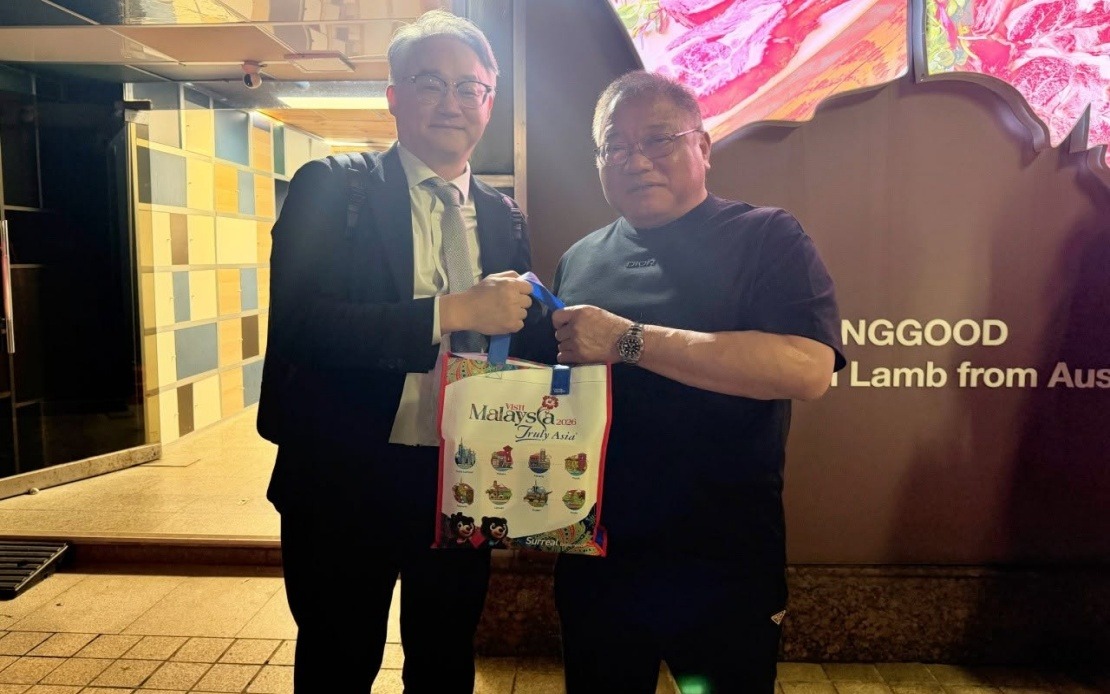
Tourism, Arts and Culture Minister Datuk Seri Tiong King Sing has issued a pointed reminder to Malaysia My Second Home (MM2H) Programme agents that their Malaysian operating licence carries no automatic exemption from the regulatory frameworks of other nations. Speaking following discussions with the Malaysian Association in the Republic of Korea, Tiong stressed that agents must actively understand and comply with local laws and coordinate with relevant authorities in markets where they recruit participants for the scheme.
The warning reflects emerging concerns about inconsistent practices among Malaysian MM2H agents operating internationally. Several agents have apparently misconstrued their domestic licensing status as providing blanket coverage for international activities, leading to a fragmented and potentially problematic market environment. Association representatives told Tiong that multiple agents—some lacking proper credentials or market understanding—were directly engaging local individuals, creating confusion about who genuinely represented the MM2H Programme and opening pathways for fraudulent claims and misrepresentation.
This situation poses significant reputational risks to the programme itself. When prospective applicants encounter conflicting information, unvetted intermediaries, or agents operating outside established compliance frameworks, confidence erodes and legitimate applications may be discouraged. The minister emphasised that quantity of applications should never be the primary metric for success; instead, protecting applicants and ensuring market integrity must take precedence. Such a standards-focused approach ultimately serves the programme's long-term interests by building a reputation for professionalism and reliability among international audiences.
Tiong indicated that clarifying cooperation mechanisms between Malaysian MM2H agents and local industry partners in key markets represents a necessary step forward. Rather than allowing a loose ecosystem where countless unauthorised intermediaries claim involvement, formalised partnerships would reduce ambiguity, strengthen fraud prevention measures, and enhance collective confidence in the scheme. This structured approach aligns with international best practices in immigration and residency programmes, where coordinated channels typically outperform decentralised models prone to inconsistency and abuse.
The Korean market emerged as a particular focus during Tiong's visit, as discussions with Malaysian Association president Dr Aaron Kim Hong-Seok, secretary-general Kim Jun-Hyung, and other representatives highlighted both opportunity and risk. Korea represents substantial potential for MM2H recruitment, particularly among retirees attracted to Malaysia's warm climate during winter months. However, realising this potential requires operating through credible, locally-informed channels rather than allowing the market to develop haphazardly through uncontrolled agent networks.
Upon returning to Malaysia, Tiong committed to reminding all MM2H agent companies of their obligation to observe applicable rules and regulations. This communication will serve as a formal reset of expectations, signalling that the ministry intends to enforce compliance standards and that agents operating outside regulatory bounds risk consequences. The message effectively separates serious market participants from those pursuing quick returns through questionable practices.
The minister's comments underscore a broader tension in promoting Malaysia's residency programmes internationally. Ambitious growth targets can inadvertently incentivise lax oversight, particularly when agents operate remotely and face limited monitoring. Conversely, prioritising quality over volume requires discipline, resisting the temptation to celebrate large application numbers when underlying market conditions may be compromised. Tiong's framing—emphasising transparency, legality, and orderly development—suggests the ministry recognises this trade-off and has chosen the path of sustainable, credible growth.
For Malaysian readers and policymakers, this incident illustrates how domestic regulatory bodies must extend their oversight mindset internationally when citizens or licensed entities represent Malaysia abroad. The MM2H Programme is a significant revenue and positioning instrument; safeguarding its integrity protects Malaysia's attractiveness to high-value international migrants and retirement-age applicants. When Malaysians or Malaysian companies misrepresent the scheme or operate unethically overseas, the damage cascades back to Malaysia's national credibility.
The Korea-specific focus also reflects Southeast Asia's evolving demographics and wealth patterns. Ageing Korean populations with disposable income represent exactly the demographic cohort most attracted to residency schemes offering lifestyle enhancement and cost advantages. Malaysia, blessed with comparative affordability, tropical climate, and developed infrastructure in key cities, naturally appeals to such applicants. However, capturing this market requires presenting professionalism and trustworthiness; undermining these through chaotic agent practices or fraudulent intermediaries forfeits competitive advantage to other regional alternatives like Thailand or the Philippines.
Moving forward, the MM2H Programme would benefit from more robust pre-approval vetting of international agents, regular compliance audits, and formal partnership agreements with local industry bodies in key markets. Such infrastructure requires investment and coordination but creates defensible quality standards. Additionally, establishing clear complaint mechanisms and enforcement protocols signals to international applicants that the scheme takes their interests seriously and maintains professional standards.
The minister's intervention, though relatively modest in scope, indicates awareness that quality control in international promotion directly affects the programme's sustainability and reputation. As Malaysia seeks to attract foreign investment, talent, and high-net-worth individuals through initiatives like MM2H, the coherence and professionalism of the agent ecosystem becomes a competitive factor. Countries that can demonstrate institutional control and consistent standards naturally attract more serious applicants than those perceived as having fragmented or unreliable processes. Tiong's message, therefore, serves both immediate regulatory purposes and longer-term strategic positioning in an increasingly competitive global market for residency and immigration programmes.

