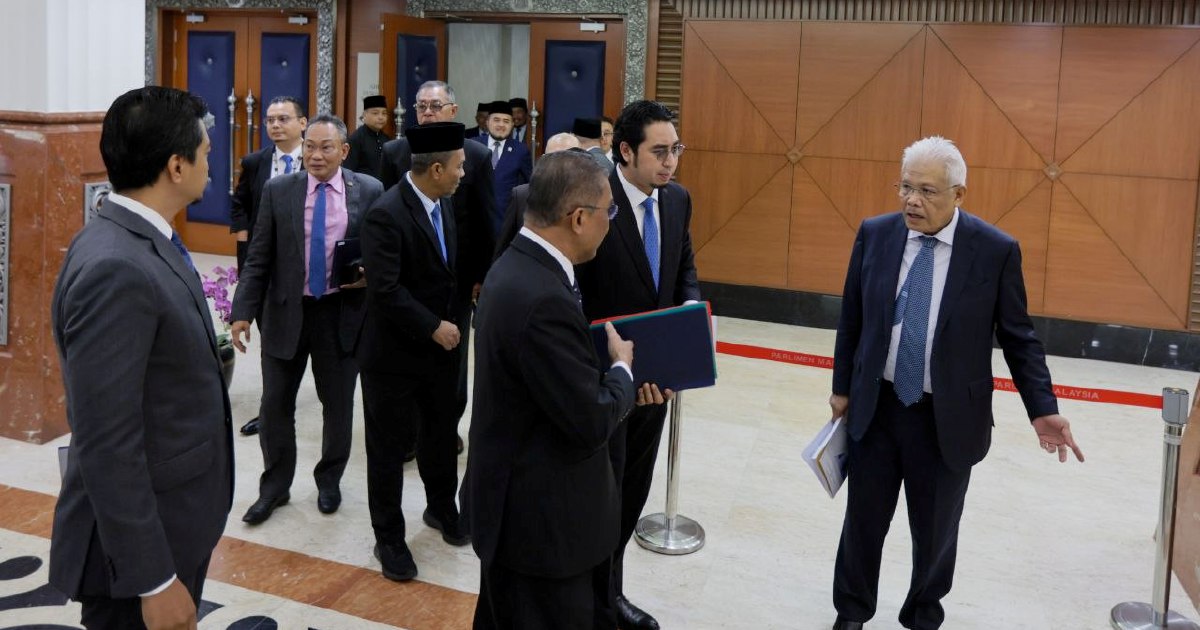
Dr Zulkifli Hasan, Minister in the Prime Minister's Department responsible for Religious Affairs, has made a direct appeal to opposition members of Parliament to attend sessions and contribute to discussions surrounding the Royal Commission of Inquiry findings related to Tabung Haji. The call represents an effort to secure broader political participation in what promises to be a significant parliamentary moment examining governance issues at the Islamic pilgrimage financial institution.
The Tabung Haji RCI emerged from growing concerns about the management and financial performance of the institution, which plays a crucial role in Malaysian Muslim society by facilitating savings and hajj arrangements for millions of pilgrims. The commission's investigation into organizational practices and decision-making has generated considerable public interest, particularly among the broad Muslim community whose trust and financial commitments underpin the organisation's operations.
Dr Zulkifli's invitation to opposition lawmakers reflects recognition that parliamentary scrutiny functions most effectively when representatives from across the political spectrum contribute questions, observations, and analysis. A robust debate requires competing perspectives and rigorous examination rather than one-sided presentations, elements that depend upon meaningful opposition participation. The minister's statement implicitly acknowledges that the credibility of any parliamentary verdict depends on perception of legitimacy drawn from inclusive deliberation.
The context here matters considerably for Malaysian readers. Tabung Haji sits at the intersection of religious administration, financial services, and public trust. Millions of ordinary Malaysians—from laborers to professionals—have entrusted substantial personal savings to the institution specifically for religious purposes. When governance questions arise, they inevitably carry moral weight beyond typical corporate accountability discussions. Public confidence in how Parliament addresses these matters has direct implications for hajj financing arrangements affecting entire families and communities.
Opposition parliamentarians possess legitimate roles in scrutinizing government institutions and demanding answers from executive branches. Their absence from parliamentary debates—whether voluntary or otherwise—effectively removes one layer of institutional checks. By explicitly calling opposition members back to participate, Dr Zulkifli signals that the government welcomes public interrogation of the RCI findings and perhaps seeks to demonstrate that whatever emerges from the commission's work can withstand critical examination across party lines.
The broader political context in Malaysia's Parliament has seen various tensions around attendance, quorum, and tactical boycotts during sensitive debates. Opposition MPs sometimes withdraw from proceedings to protest government decisions or to signal disagreement with parliamentary procedures. Conversely, government members have occasionally questioned the commitment of opposition parliamentarians to national institutions. Dr Zulkifli's remarks occupy this fraught terrain, effectively challenging opposition members to demonstrate their dedication to institutional oversight.
Tabung Haji's financial health directly intersects with Malaysia's Islamic banking and finance ecosystem, one of the world's largest. Issues affecting the organization resonate across a sophisticated network of religious endowments, pilgrim welfare schemes, and faith-based financial products. The RCI's findings could influence how regulators approach Islamic financial institutions more broadly, making parliamentary discussion relevant not merely to current managers but to the structural health of Malaysia's Islamic financial sector.
From a Southeast Asian perspective, Malaysia's handling of this inquiry signals how Muslim-majority nations approach institutional transparency and religious financial governance. Several neighbors grapple with similar questions about managing Islamic pilgrim financing and religious institution oversight. How Malaysia's Parliament—through comprehensive debate involving all political parties—processes the RCI findings may offer implicit lessons and models for other nations addressing comparable governance challenges within faith-based financial systems.
The invitation also potentially signals government confidence in the RCI's work. If the commission's findings were perceived as politically explosive or embarrassing to the administration, inviting comprehensive parliamentary debate might seem counterintuitive. The willingness to encourage opposition scrutiny suggests officials believe the report either vindicates institutional management or identifies problems that can withstand public examination and remedial commitment. This confidence—whether well-placed or not—shapes how the findings will ultimately influence policy reform.
Parliamentary participation carries procedural significance beyond symbolic politics. Opposition members possess procedural tools including questions, amendments, and formal statements that shape the legislative record and force executive accountability. Their engagement generates official parliamentary hansards documenting government responses, creating public records that interested citizens, religious scholars, and financial regulators can access and evaluate. Boycotts or absences eliminate these documentary trails.
Practical implications for Malaysian pilgrims remain paramount. Hundreds of thousands undertake hajj annually through Tabung Haji arrangements, depending on organizational competence and financial soundness. Parliamentary examination of the RCI report directly affects potential reforms, governance improvements, or structural changes affecting how future pilgrims save and travel. Comprehensive political debate maximizes probability that any problems identified receive serious legislative attention rather than becoming marginal issues.
The minister's statement reflects understanding that Malaysian democratic institutions function optimally through political engagement rather than boycotts or withdrawal. Whether opposition lawmakers respond to this appeal will influence both the immediate parliamentary debate's comprehensiveness and broader perceptions about institutional health and political maturity. The choice facing opposition parliamentarians involves weighing tactical considerations against their institutional roles in scrutinizing government bodies handling public finances and religious trust.

