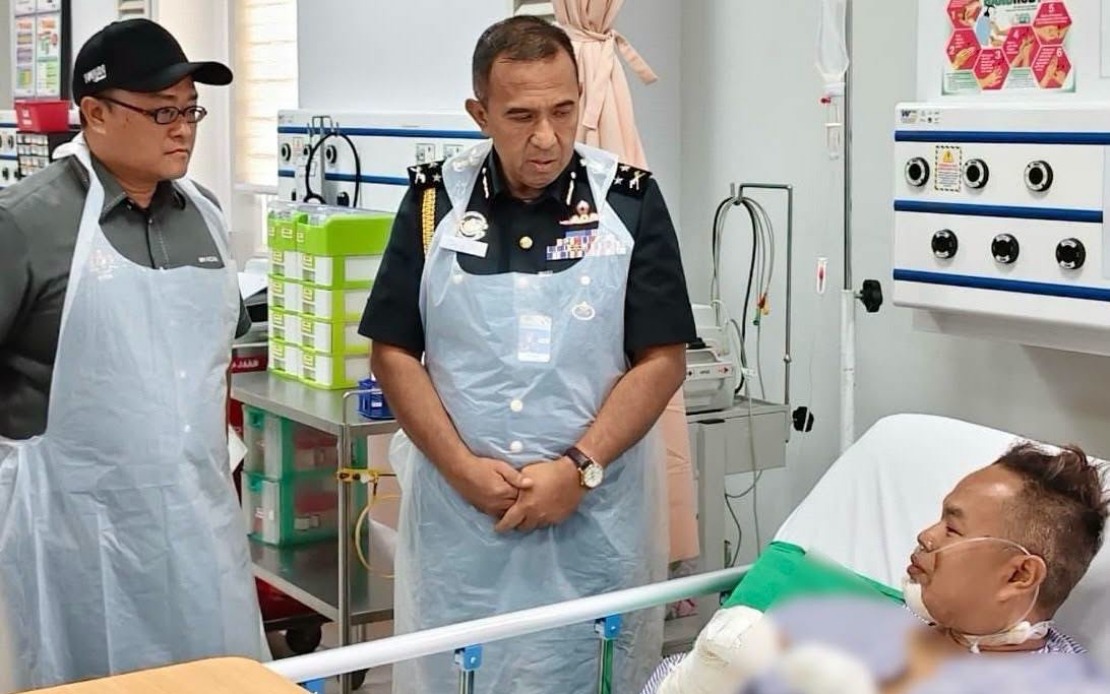
An enforcement operation targeting illegal liquefied petroleum gas decanting in Selangor has resulted in injuries to two Domestic Trade and Cost of Living Ministry (KPDN) personnel, prompting expressions of concern from their political leadership. The incident occurred during Ops Tiris 4.0, a nationwide campaign designed to dismantle networks that divert subsidised LPG from legitimate consumers through unauthorised decanting and distribution channels.
Assistant Enforcement Officer Mohammad Fauzi Baharuddin sustained what authorities describe as fairly serious injuries and remains under medical care following the operation. His colleague, Enforcement Assistant R. Yoghanath, experienced minor injuries and was released after treatment. The circumstances surrounding how the injuries occurred have not been disclosed, but the incident underscores the physical dangers inherent in confronting networks engaged in fuel subsidy fraud.
Minister Datuk Armizan Mohd Ali issued a statement emphasising his personal concern for the officers' wellbeing and recovery prospects. He specifically prayed for Mohammad Fauzi's full recuperation and ability to endure the treatment process ahead. Armizan also extended wishes for Yoghanath's continued good health, framing his remarks within a broader acknowledgement of the sacrifices made by KPDN personnel across the country.
The minister's public response reflects the political sensitivity surrounding enforcement operations, particularly when frontline officers face danger. Armizan expressed sorrow over the incident and articulated recognition of the unpredictable operational environment that KPDN teams navigate regularly. His statement positioned enforcement officers as dedicated public servants who leave their families to pursue duties that occasionally place them in physical jeopardy.
Ops Tiris 4.0 represents a significant initiative in Malaysia's ongoing battle against fuel subsidy misappropriation. The operation addresses a persistent economic leakage whereby subsidised LPG intended for domestic consumers or small businesses is diverted through decanting operations—transferring the fuel from legitimate containers into unmarked vessels for illegal sale. This practice undermines the subsidy programme's social objectives and generates illicit profits for organised smuggling networks.
The targeting of LPG specifically reflects concerns about systematic diversion from the legitimate supply chain. Subsidised LPG is a staple for millions of Malaysian households and small food service operations, and unauthorised decanting operations create supply disruptions while enriching criminal enterprises. KPDN enforcement teams conducting raids must frequently confront individuals willing to use force to protect illegal operations, creating genuine occupational hazards.
Armizan's ministerial statement went beyond standard expressions of concern to frame enforcement work as a patriotic undertaking. He characterised KPDN personnel as protectors of national economic interests and public welfare, acknowledging that every raid represents officers choosing duty over personal safety. This framing attempts to elevate public perception of enforcement work and justify the operational risks undertaken.
The incident also highlights resource and training challenges facing enforcement agencies in Southeast Asia. KPDN teams operating in Selangor, a state with significant industrial and commercial activity, must contend with organised smuggling networks possessing capital and determination to resist intervention. The injuries sustained suggest operational resistance rather than passive compliance, indicating that illegal operators view enforcement actions as serious threats to their activities.
From a broader policy perspective, the incident reinforces questions about enforcement effectiveness versus resource availability. Malaysia's subsidised fuel regime, while providing important social support, creates financial incentives for diversion and smuggling. Enforcement operations like Ops Tiris 4.0 represent one policy response, but sustained effectiveness requires consistent funding, personnel training, and interagency coordination to dismantle supply chain vulnerabilities.
The ministerial attention to this specific incident also serves a communicative purpose to KPDN personnel throughout the country. By publicly acknowledging injuries and expressing gratitude for their commitment, Armizan signals that the ministry recognises and values the work undertaken by enforcement teams. This public recognition can be important for morale, particularly when operations involve physical danger and confrontation with organised criminal elements.
Looking forward, the incident may prompt discussions about operational procedures, safety protocols, and resource allocation within KPDN. Whether the injuries resulted from inadequate preparation, organisational resistance, or simple operational hazard remains unclear from available information. However, ministries typically conduct internal reviews following personnel injuries during operations to identify preventive measures.
The broader context of fuel subsidy enforcement in Malaysia extends beyond LPG to encompass petrol and diesel. As economic pressures mount and subsidy costs burden government finances, enforcement operations targeting illegal diversion have become increasingly central to subsidy policy implementation. KPDN's operational tempo and personnel requirements continue expanding, making worker safety and adequate resource provision increasingly important considerations for ministry leadership and government policymakers.

