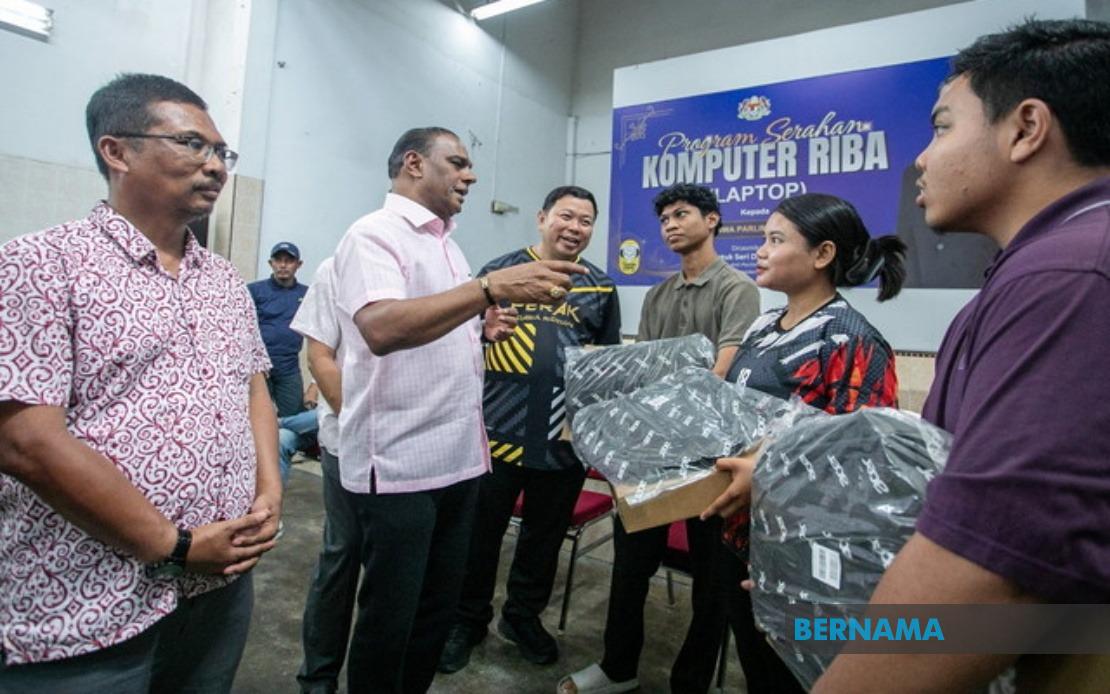
The Malaysian Indian Congress (MIC) intends to defend its sole seat in the approaching Melaka state election while simultaneously examining whether to broaden its electoral footprint across additional constituencies, according to Datuk Seri M. Saravanan, the party's deputy president. Speaking at an event in Tapah on August 16, Saravanan outlined MIC's strategic positioning for the regional poll, emphasizing that the party leadership remains in deliberation over the scope of its candidacy roster.
The Tapah MP clarified that any determination regarding expanded seat contestation has not yet crystallized, as the party hierarchy continues weighing relevant considerations. This cautious approach reflects MIC's pragmatic assessment of its electoral prospects in a state where its presence has traditionally been marginal compared to component parties within the Barisan Nasional coalition. The ongoing evaluation demonstrates the party's intent to contest from a position of strength rather than spreading resources too thinly across constituencies where victory prospects remain uncertain.
Saravanan articulated that multiple variables factor into MIC's decision-making calculus. The party is examining the demographic and political composition of potential constituencies to identify those where the electorate aligns with MIC's traditional support base and where organizational capacity exists to mount competitive campaigns. Equally important is the caliber of prospective candidates, whom party leadership believes must possess both community standing and campaign viability to justify fielding them in contested seats.
Party president Tan Sri S A Vigneswaran is currently overseeing a comprehensive vetting process for potential candidates across targeted constituencies. Saravanan indicated that final decisions on both candidate selection and seat expansion would emerge imminently, suggesting the party operates within a defined timeline ahead of the state election's polling date. This methodical approach underscores MIC's commitment to fielding candidates who can realistically compete rather than adopting a blanket strategy of maximal seat contestation regardless of winning prospects.
The party has already commenced groundwork essential to any electoral campaign, focusing initially on voter identification and particularly on consolidating support among MIC's core constituencies. This foundational work includes mapping voter sentiment and tracking issues resonating with the electorate, enabling the party to calibrate messaging and resource allocation toward maximum impact. Such preparations are typical for parties seeking to optimize limited campaign budgets and organizational capacity.
MIC's 2021 performance in Melaka provides instructive context for the current strategy. In that contest, the party successfully captured the Gadek seat under the Barisan Nasional banner when candidate VP Shanmugam emerged victorious from a six-way contest with a majority of 559 votes. Though a modest margin, this victory represented significant achievement for MIC in a state where the party holds minimal representation. Defending this seat therefore constitutes a natural priority before contemplating expansion elsewhere.
The party's cautious approach also reflects broader realities within Malaysian coalition politics. MIC, as a component of Barisan Nasional, must coordinate seat allocations with partners including UMNO and MCA, whose territorial interests often supersede junior partners' aspirations. Any expansion of MIC's Melaka slate would require negotiation within the coalition framework, potentially explaining the ongoing deliberations that Saravanan referenced. The party cannot unilaterally expand its presence but must operate within coalition protocols and established power-sharing arrangements.
From a Malaysian perspective, MIC's positioning in Melaka carries broader significance for representation of the Indian community in state governance. With Indian Malaysians comprising approximately seven percent of the national population but often underrepresented in elected assemblies, MIC's electoral performance and seat acquisitions directly impact community voice in policy formulation. The Gadek victory demonstrated that the party can win in competitive environments, potentially justifying confidence in targeted expansion if suitable candidates and constituencies can be identified.
Saravanan's announcement also signals MIC's determination to remain electorally relevant rather than accepting a purely ceremonial role within Barisan Nasional. By actively pursuing potential seat gains beyond Gadek, the party projects ambitions to strengthen its parliamentary and state assembly presence nationally. This posture gains importance given evolving political dynamics in Malaysia, where established coalitions face mounting pressure and voter volatility.
The timeline for MIC's final decisions aligns with typical pre-election protocols, providing sufficient runway for candidate announcement, nomination, and campaign mobilization. Saravanan's reference to imminent decisions suggests the party operates within weeks rather than months before formal candidacy submissions. This relatively compressed timeframe reflects the scheduled nature of state elections and the coordination requirements among coalition partners.
MIC's strategy of defending Gadek while exploring expansion opportunities represents balanced political pragmatism. Rather than overcommitting resources across constituencies where victory remains unlikely, the party seeks to consolidate its existing strength while methodically evaluating realistic opportunities for growth. This approach acknowledges both the party's limited organizational footprint in Melaka and its desire to maximize electoral impact through strategic seat selection informed by rigorous candidate assessment and constituency analysis.

