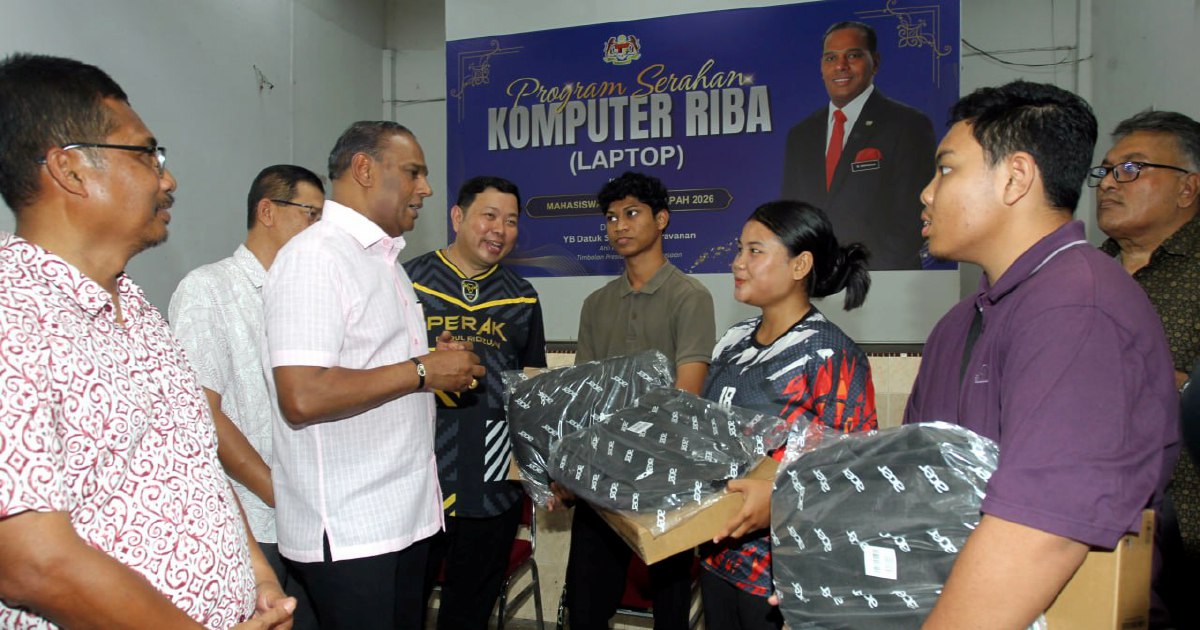
The Malaysian Indian Congress has embarked on extensive preparatory work ahead of the next Melaka state election, focusing on identifying suitable candidates and understanding the priorities of local voters. This groundwork, initiated in Tapah, reflects MIC's determination to strengthen its position in the state and maximise its electoral prospects by conducting thorough evaluations of potential contenders and assessing the political landscape.
As a component party within the Barisan Nasional coalition, MIC's involvement in Melaka polls carries broader implications for the stability and representation of the coalition in one of Malaysia's crucial peninsular states. The party's proactive approach to candidate selection underscores its commitment to fielding credible representatives who can address constituent concerns and maintain competitive standing against opposition parties. The evaluation process extends beyond administrative ticking of boxes, seeking individuals with genuine grassroots connections and demonstrated capacity to serve their communities effectively.
The party's focus on understanding voter demographics and concerns points to a sophisticated electoral strategy. By identifying key issues facing the electorate, MIC aims to craft messaging and policy positions that resonate with diverse community segments. This data-driven approach reflects contemporary political practices where understanding granular voter preferences has become essential for electoral success. The emphasis on multiple voter categories suggests MIC recognises that Melaka's electorate comprises varied interests that cannot be addressed through generic campaign platforms.
Melaka's electoral significance within Malaysia's broader political framework cannot be understated. The state has historically been a testing ground for coalition politics and witness to significant political shifts. As a Barisan Nasional stronghold that has nonetheless faced challenges from opposition movements, the state requires careful management and strategic positioning. MIC's engagement in this process demonstrates the coalition's recognition that maintaining relevance requires continuous engagement with voters and adaptation to evolving concerns.
The timing of MIC's groundwork suggests the party is preparing for elections that could occur within a reasonable timeframe, though no official announcement has been made. This proactive posture allows the party adequate time to build momentum, vet candidates thoroughly, and develop targeted campaigns before campaigning officially commences. Such preparation is crucial in contemporary Malaysian politics, where perception management and early narrative-building can significantly influence electoral outcomes.
Candidate selection represents one of the most consequential decisions any political party makes, particularly in state elections where local representation directly affects constituents' access to government services. MIC's systematic approach to evaluation suggests the party is moving beyond considerations of party loyalty alone, examining factors including administrative capability, communication skills, and community standing. This professionalism in candidate assessment can enhance the party's credibility among voters who increasingly demand competent representation rather than factional appointments.
The focus on specific voter demographics and white voters indicates MIC's understanding that winning elections requires building broad coalitions that transcend traditional voting blocs. While MIC has historically represented Indian Malaysian interests, electoral success in diverse constituencies demands appeal to multiple communities. Understanding what different voter groups prioritise—whether education, healthcare, economic opportunity, or infrastructure development—enables parties to craft inclusive platforms that address varied needs rather than narrow sectional interests.
In the Malaysian political context, state elections serve as important indicators of coalition health and opposition momentum. Melaka results influence perceptions of Barisan Nasional's overall electoral viability and provide opposition parties platforms to test messaging and organisational capacity. MIC's preparation therefore extends beyond parochial party interest, affecting calculations about coalition stability and government continuity in the state. Strong MIC performance contributes to broader Barisan coalition narratives about relevance and organisational strength.
The groundwork being conducted in Tapah and presumably elsewhere reflects MIC's understanding that successful elections increasingly depend on granular local intelligence rather than broad-brush national campaigns. Each constituency possesses unique demographics, economic circumstances, and political history that shape voter preferences. By systematically mapping these factors and identifying issues that matter to local communities, MIC positions itself to deliver targeted campaigns addressing specific community concerns rather than generic policy announcements.
MIC's electoral preparations also occur within a context of evolving Malaysian politics where coalition politics face persistent pressure from internal tensions and external competition. Maintaining Barisan unity requires component parties like MIC demonstrating continued relevance and electoral viability. Through careful candidate selection and voter engagement, MIC signals to coalition partners its capacity to deliver electoral returns and remain an asset rather than liability within the Barisan framework.
The party's approach reflects mature political practice that emphasises evidence-based strategy over intuition alone. Rather than assuming existing voter loyalties remain constant, MIC actively measures sentiment, identifies emerging issues, and assesses candidate viability through systematic evaluation. This methodical approach, increasingly standard among successful political organisations globally, acknowledges that electorates change and parties must adapt their strategies to reflect contemporary voter priorities rather than relying on historical voting patterns.

