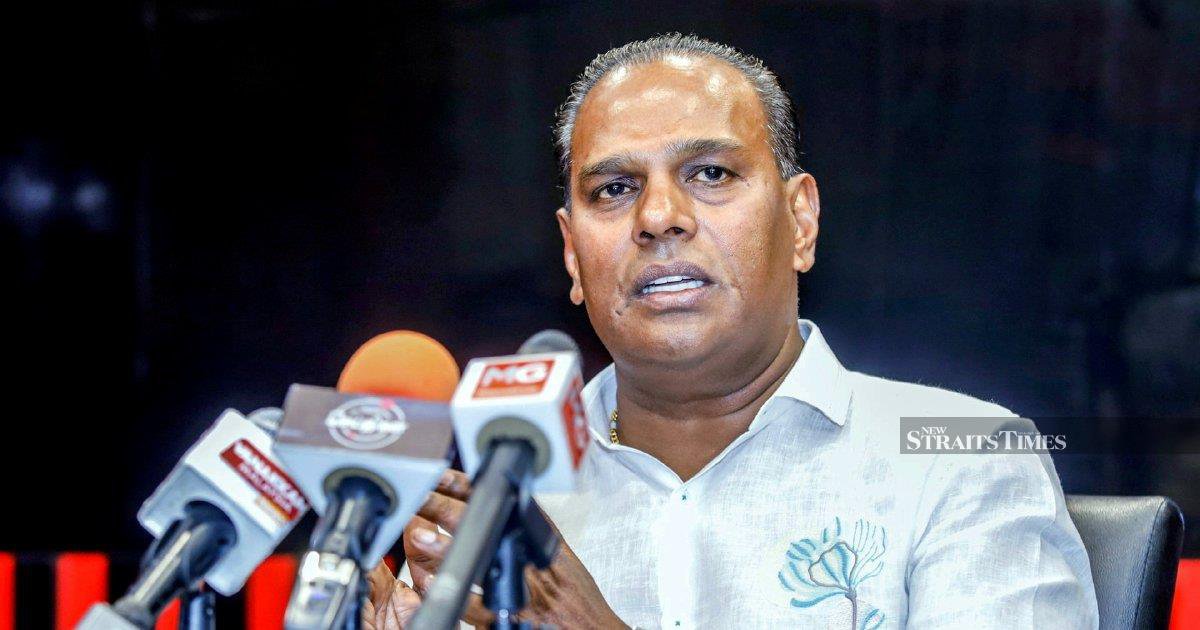
Datuk Seri M. Saravanan, deputy president of the Malaysian Indian Congress (MIC), has publicly confirmed that he will appear before the KL Sessions Court tomorrow to face charges. The Malaysian Indian Congress has long served as a key component of the Barisan Nasional political coalition, historically representing the interests of the Indian-Malaysian community in federal affairs.
The confirmation comes as a notable development for one of Malaysia's most senior Indian-Malaysian politicians. Saravanan's position within the MIC has made him a prominent figure in discussions surrounding Indian-Malaysian community issues and broader coalitional politics at the national level. His appearance in court represents a significant juncture in his political career and carries implications for the MIC's leadership dynamics during a period of substantial political flux across the country.
The KL Sessions Court handles a range of cases, and the specific charges against Saravanan have not been detailed in the confirmation. However, court appearances by senior political figures consistently attract significant public and media attention, particularly when they involve officials serving in major political parties with entrenched roles in Malaysia's political structure.
For the Malaysian Indian Congress, this development occurs within the broader context of the party's ongoing efforts to maintain relevance and cohesion within the Indian-Malaysian political landscape. The MIC has historically competed for influence within Barisan Nasional alongside larger coalition partners, and leadership developments directly influence how effectively the party can advocate for its constituency's interests.
Political observers in Malaysia have been monitoring developments within traditional coalition partners as the country navigates shifting political alignments. The MIC's ability to demonstrate unity and effective governance at its leadership level remains important to its standing within national politics and its capacity to secure resources and attention for community-focused initiatives.
The court proceedings scheduled for tomorrow will likely draw participation from political analysts, media representatives, and community observers seeking to understand the nature and implications of the charges. In Malaysia's contemporary political environment, such developments involving senior party figures often generate discussion about institutional accountability and leadership standards across the political spectrum.
Saravanan's decision to publicly confirm his court appearance reflects a transparent approach to what could otherwise become subject to speculation or misinformation. Political commentators have noted that such directness can sometimes help shape the narrative around sensitive matters involving public figures, though the actual legal proceedings will ultimately determine the trajectory of the case.
The Malaysian Indian Congress remains an important institution within Malaysia's multi-ethnic political framework, and how it navigates challenges to its leadership directly affects its ability to represent community interests effectively. The party has weathered various periods of internal reorganisation and shifting political fortunes, and its response to this situation will form part of its broader narrative during this period.
For Malaysian observers tracking political developments, Saravanan's court appearance represents one data point in a larger landscape of institutional and leadership changes occurring across various political parties. The interconnections between institutional accountability, political party management, and public confidence in governance structures continue to be central considerations in Malaysia's political discourse.
The proceedings tomorrow will provide clarity on the specific nature of the charges and the intended legal processes moving forward. How Saravanan and the MIC respond to these developments, and the eventual outcomes of the court case, will likely influence discussions about leadership, accountability, and political party governance in Malaysia for the foreseeable future.

