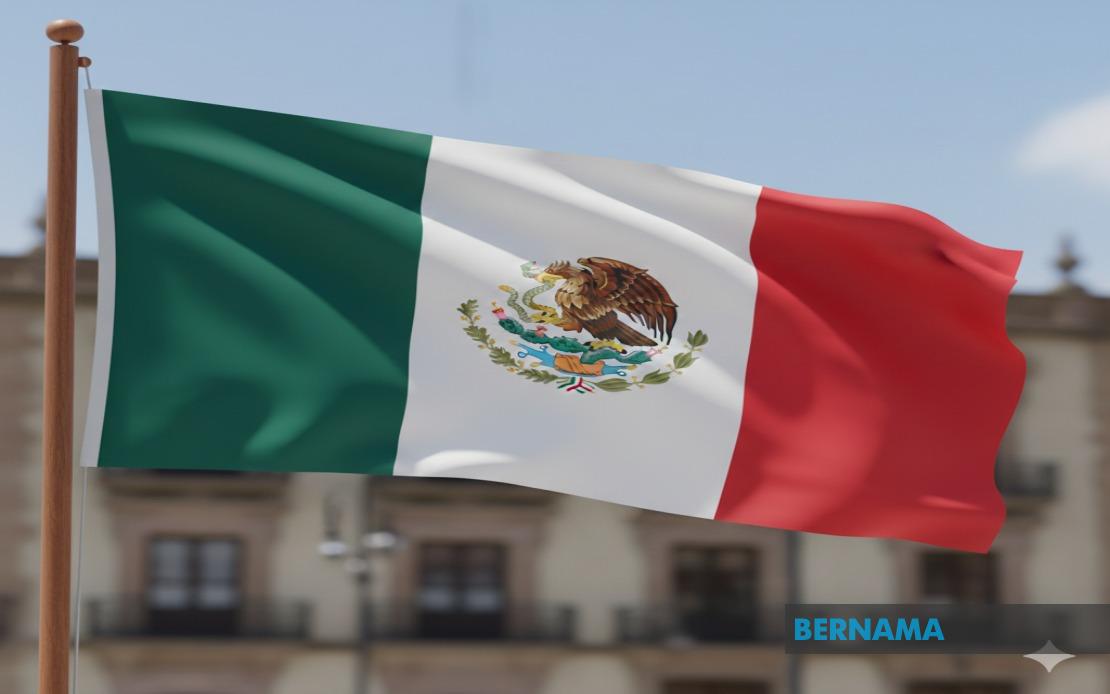
Mexico has taken its grievances over the deaths of its citizens during United States immigration enforcement operations to the international stage, formally petitioning the UN High Commissioner for Human Rights to examine a series of incidents involving the federal Immigration and Customs Enforcement agency. Foreign Minister Roberto Velasco dispatched a letter to High Commissioner Volker Türk requesting a comprehensive investigation into these deaths and demanding that information be sought directly from American authorities, marking a significant escalation in Mexico's response to what it characterises as a mounting crisis at the US border.
The referral to the UN represents a decisive shift in Mexico's diplomatic approach. Rather than confining the matter to bilateral negotiations, the Mexican government is now seeking international scrutiny of whether the incidents align with the United States' commitments under global human rights frameworks. Velasco's office has asked the High Commissioner's team to evaluate the cases against established international standards, formulate recommendations for preventing similar occurrences, and potentially escalate the matter through the UN Human Rights Council's special procedures mechanisms if circumstances warrant such action.
The scope of the problem reveals deepening concern within the Mexican government. According to official records, three Mexican nationals have lost their lives during active ICE operations, while an additional fourteen have perished while in the custody of deportation detention facilities operated by or affiliated with American immigration authorities. These figures underscore what Mexico views as a systemic issue requiring more than routine diplomatic correspondence, prompting President Claudia Sheinbaum to declare last week that her administration would pursue avenues beyond traditional diplomatic channels, including formal legal proceedings against those deemed responsible for the deaths.
Mexico's legal strategy is already materialising on multiple fronts. In coordination with the Attorney General's Office, the government is preparing a formal complaint to submit to the United States Justice Department through Mexico's embassy in Washington. Simultaneously, the Mexican Foreign Ministry has instructed its embassy and network of consulates throughout the United States to file complaints with state-level prosecutors in jurisdictions where deaths have occurred, establishing a paper trail and creating parallel investigations at different levels of the American legal system.
Beyond diplomatic and governmental channels, Mexico has initiated what officials characterise as preliminary civil legal action. The Adelanto detention facility in California became the first target of cease-and-desist letters dispatched by Mexico, a formal procedural step that legal experts view as positioning the Mexican government for potential civil lawsuits against the facilities and agencies involved. This tactical approach suggests Mexico is building a comprehensive legal record while simultaneously preserving its options for future court proceedings.
The most recent incident that has galvanised this escalation involved Lorenzo Salgado Araujo, a Mexican citizen who was fatally shot on July 7 during an ICE operation in the Houston metropolitan area. Salgado Araujo had established deep roots in Texas over more than thirty years, operating a successful construction business and maintaining family connections throughout the Houston region. According to the US Department of Homeland Security's account of the incident, Salgado Araujo disregarded officers' commands, used his vehicle to strike a law enforcement car, and subsequently attempted to hit an officer with his automobile, prompting an ICE officer to discharge a firearm with fatal consequences.
However, the official American account of Salgado Araujo's death has not gone unchallenged. His family members, alongside civil rights advocacy organisations operating in Texas and nationally, and several Democratic politicians with constituencies affected by immigration enforcement, have collectively demanded an independent investigation into the shooting. These actors contend that the circumstances surrounding his death warrant scrutiny beyond what DHS has provided, raising questions about the proportionality of force, de-escalation protocols, and whether lethal action was genuinely necessary given the alleged circumstances.
This case exemplifies the tension that has come to characterise US immigration enforcement operations in recent years. The divergence between official accounts and the testimonies of families and advocacy groups reflects broader concerns about accountability mechanisms within agencies operating at the border and in immigrant communities. For Malaysia and other Southeast Asian nations, the Mexico situation illuminates how immigration enforcement can become a source of significant diplomatic friction, particularly when citizens abroad encounter the justice systems and enforcement apparatus of host nations.
Mexico's decision to internationalise this issue carries implications that extend beyond bilateral US-Mexico relations. By referring the matter to the UN Human Rights Commissioner, Mexico is signalling that it views these deaths not merely as isolated tragic incidents but as part of a pattern requiring international attention. This approach could establish precedent for other nations seeking accountability for their citizens' treatment in foreign enforcement operations, potentially reshaping how immigration enforcement agencies operate along international borders.
The timing of Mexico's escalation also reflects domestic political considerations. President Sheinbaum's commitment to move beyond diplomatic niceties toward concrete legal action resonates with constituencies within Mexico that have grown frustrated with perceived American indifference to their citizens' fates. By simultaneously pursuing UN review, departmental complaints, state-level prosecutions, and civil litigation, Mexico is demonstrating to its own population that the government is exhausting all available mechanisms to seek justice and accountability.
For Malaysian policymakers and immigration authorities, Mexico's experience offers cautionary lessons about how enforcement operations involving foreign nationals can quickly escalate into international incidents if transparency and accountability mechanisms are perceived as inadequate. The case demonstrates that in an increasingly interconnected world, immigration enforcement decisions made at the operational level can rapidly translate into high-level diplomatic friction and international legal processes.
The outcome of Mexico's UN referral and its parallel legal actions remains uncertain, but the trajectory is clear: Mexico has determined that the status quo response to these deaths is insufficient. Whether through international pressure, legal proceedings, or diplomatic negotiations, Mexico is signalling its determination to hold American authorities accountable and to prevent similar incidents in the future.

