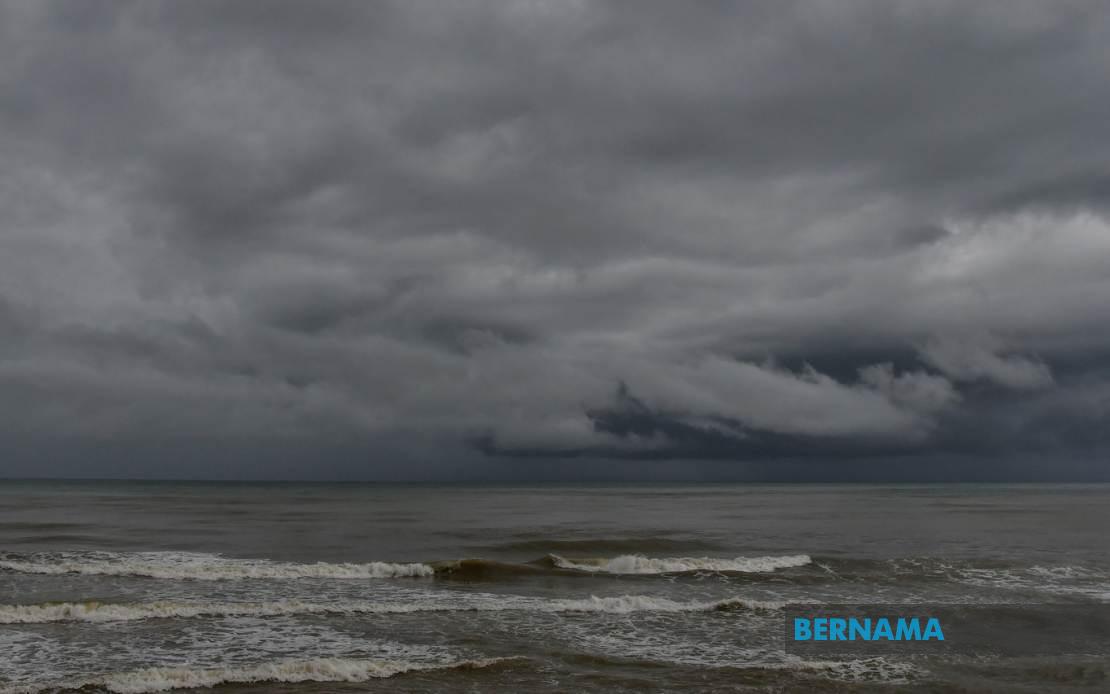
The Malaysian Meteorological Department (MetMalaysia) has issued a weather alert warning residents across large swathes of the country to prepare for severe thunderstorms, heavy downpours, and gusty winds that are expected to persist until 9 pm today, July 16. The alert encompasses multiple states and territories, indicating a significant weather system affecting the nation during what appears to be a particularly active period for the monsoon season.
In Peninsular Malaysia, the northern states have been identified as particularly vulnerable to today's severe conditions. Perlis and Kedah are on high alert, with specific districts in Kedah including Langkawi, Kubang Pasu, Padang Terap, Sik, Baling, Kulim, and Bandar Baharu all expecting significant weather impacts. This widespread coverage across the north suggests the weather system is substantial in geographic scale and intensity.
Perak residents in several districts face similar threats, with the MetMalaysia warning extending to Kerian, Larut, Matang and Selama, Hilir Perak, Batang Padang, and Muallim. The inclusion of both coastal and interior districts in Perak indicates that the weather pattern is not confined to specific topographical zones but rather represents a broad atmospheric disturbance affecting the state comprehensively.
The Klang Valley and greater Selangor region, home to Malaysia's largest urban concentration, are also in the alert zone. Kuala Lumpur itself and strategic districts across Selangor including Sabak Bernam, Kuala Selangor, Hulu Selangor, Klang, Gombak, and Petaling have been flagged. This is particularly significant given the population density and critical infrastructure concentrated in this region, where sudden heavy rainfall can quickly cause flooding and disrupt transportation networks.
Southern Peninsular Malaysia is not spared, with Johor residents in Kulai and Johor Bahru warned to prepare for the incoming weather system. The geographic spread from the northern border states through to the southern reaches of the peninsula underscores the scale of the atmospheric phenomenon driving today's forecasted conditions.
On the island of Borneo, Sabah faces considerable risk across multiple zones. The Interior division, the West Coast encompassing Papar, Putatan, Penampang, Kota Kinabalu, Tuaran, and Ranau, and the Sandakan division including Tongod, Telupid, and Beluran are all expected to experience severe weather. These areas span from coastal settlements to highland regions, suggesting the system will affect diverse elevations and geographic settings.
Sarawak's Divisions of Kapit, Miri, and Limbang are similarly prepared for thunderstorms and heavy precipitation, with specific concern flagged for Kapit town, Bukit Mabong, and Belaga. The federal territory of Labuan, strategically positioned in the waters between Peninsular Malaysia and Sabah, is also included in the alert.
The timing of this warning until 9 pm suggests MetMalaysia has tracked the weather system and projected its duration based on current atmospheric data. Such precision in timing allows residents and authorities to plan accordingly, implementing precautionary measures such as securing outdoor items, monitoring vulnerable areas prone to flooding, and ensuring drainage systems are clear.
For Malaysian commuters and businesses, alerts of this nature during evening hours can significantly impact peak traffic periods and evening commerce. Schools may need to adjust dismissal procedures, and motorists should exercise heightened caution on roads likely to become slippery or subject to reduced visibility. Infrastructure maintenance teams typically become activated during such warnings to monitor critical facilities.
The simultaneous issuance across Peninsular Malaysia, Sabah, Sarawak, and Labuan indicates coordination between MetMalaysia's various regional offices and suggests this represents a significant weather event rather than localized thunderstorm activity. The breadth of the warning also implies that forecast models have identified a substantial atmospheric disturbance capable of producing the combination of lightning, heavy precipitation, and strong winds simultaneously across geographically diverse regions.
Residents in affected areas are encouraged to remain alert and monitor official updates from MetMalaysia, particularly those living in low-lying areas susceptible to flash flooding or in structures vulnerable to wind damage. The department's clear communication of specific districts enables local authorities to target response resources effectively and allows individuals to assess their own risk levels based on precise geographic information rather than broad state-level advisories.
As Malaysia navigates its monsoon seasons, such weather alerts have become routine occurrences, reflecting both the country's tropical climate and the improving sophistication of meteorological forecasting that enables population-wide preparedness.

