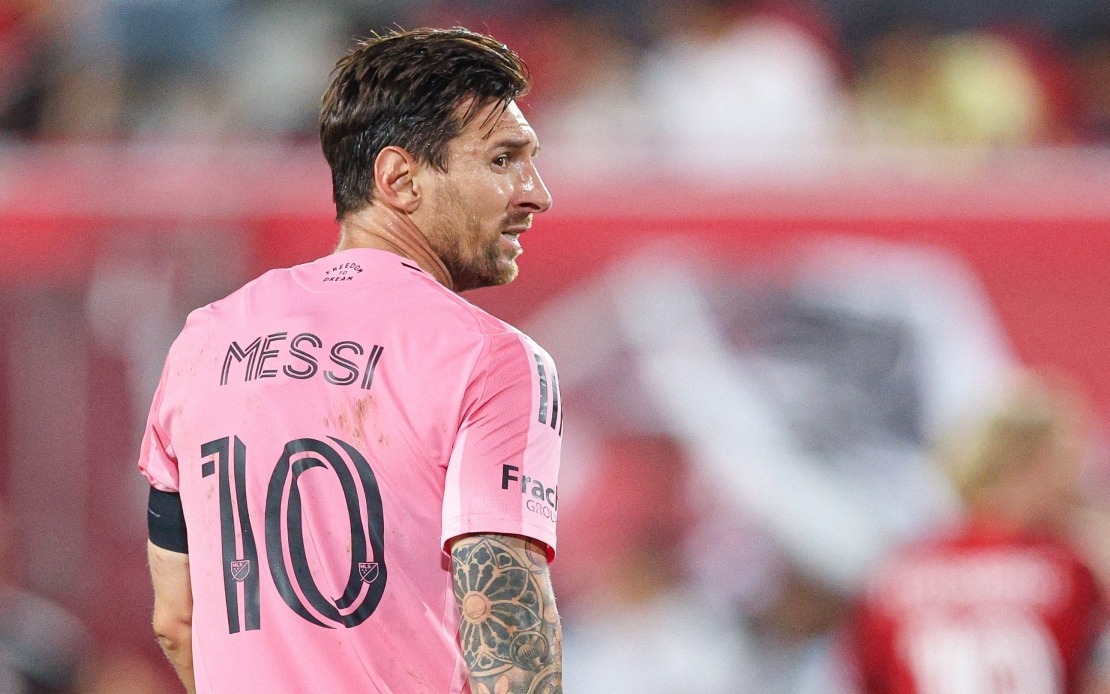
Lionel Messi stepped back onto the football pitch on Wednesday for Inter Miami, marking his first outing for the Major League Soccer club since expressing grave doubts about his playing future following the death of his father, Jorge, the previous week. The Argentina captain came on as a substitute after half-time in the team's 3-2 loss to León in the Leagues Cup group stage finale, signalling that despite his emotional turmoil, he was ready to resume competition.
The decision to play came just days after Messi released a poignant statement on social media, revealing the depth of his grief and uncertainty about continuing his professional career. In his message, he reflected on his father's lifelong dedication, writing movingly about his childhood reliance on Jorge's guidance and the void his absence now created. He questioned whether he possessed the resolve to continue playing football without the figure who had shaped his entire sporting journey and stood beside him through every milestone.
Jorge, who served as Messi's agent from the age of fourteen, had been instrumental in orchestrating his son's rise to becoming arguably the greatest footballer in history. Beyond his professional duties, Jorge witnessed Lionel's transformation from a young talent at Barcelona into a global icon, including the crowning achievement of captaining Argentina to World Cup victory in Qatar in 2022. The elder Messi's health had been deteriorating in recent months, yet according to his son's statement, he encouraged Lionel to participate in one final World Cup campaign.
Messi had been absent from Inter Miami's previous fixture, a 2-1 defeat to Monterrey on Saturday, as he attended to family matters. On Sunday, he participated in a private funeral service held at a cemetery in Pérez, a town near his hometown of Rosario in Argentina, bidding farewell to his father in an intimate family setting away from the glare of international media attention.
The recent Copa América tournament in South America, held during the summer, had also tested Messi's resolve. Argentina's campaign culminated in a heartbreaking final against Spain, where the team fell short despite their captain's continued excellence on the field. That defeat, combined with his father's declining health during the tournament, appeared to have crystallized Messi's doubts about his capacity to maintain his playing career at the highest level.
Inter Miami's head coach, Guillermo Hoyos, demonstrated considerable empathy when discussing Messi's situation following the match. Hoyos drew parallels to his own experience of losing his father, acknowledging that such a loss represents one of life's most destabilizing events. He characterized the blow as particularly acute for someone like Messi, emphasizing that it transcended mere professional setback and touched the very core of his identity as both an athlete and a human being.
The opposition's manager, Javier Gandolfi of León, offered his own tribute to Messi's character and contribution to football. Rather than focusing narrowly on Wednesday's result, Gandolfi positioned Messi within the broader historical context of the sport, describing him as an unparalleled talent whose influence extended far beyond statistical achievement. He observed that Messi's presence alone—his comportment, his actions both on and off the pitch—demonstrated a quality of character that distinguished him from his contemporaries.
Messi's appearance, however brief, represented more than a tactical substitution in a single match. It symbolized a tentative step forward through grief and toward reconciliation with his calling. The fact that he chose to take the field, despite the emotional statement issued just days earlier expressing uncertainty about his future, suggested that the support of his coaching staff, teammates, and perhaps his own introspection had provided some measure of clarity or resolve.
For Malaysian and Southeast Asian football enthusiasts, Messi's situation carries particular resonance. His career arc—from prodigy to global superstar to veteran contemplating life after football—mirrors narratives familiar to sports followers across the region who have watched him mature through different eras of the sport. The personal dimensions of his struggle, rooted in family loss and mortality, also transcend cultural and geographical boundaries, reminding audiences that even the world's greatest athletes confront universal human challenges.
The Leagues Cup match itself proved competitive despite the emotional backdrop. Inter Miami's 3-2 defeat to León in their group fixture demonstrated that the team remained active competitors in tournament play, even as their marquee player navigated profound personal adversity. How Messi's participation evolves in coming weeks will provide further indication of whether he intends to pursue the playing career he questioned so openly, or whether this Wednesday appearance represents a more measured transition toward life beyond elite football.
The broader implications of Messi's return extend to questions about athlete welfare, grief management, and the pressures placed on elite performers to compete during periods of personal crisis. His willingness to take the field while processing such significant loss stands as testimony to his resilience, yet it also invites reflection on whether returning to competition immediately after bereavement represents healthy coping or merely the perpetuation of sport's demands regardless of human circumstance.

