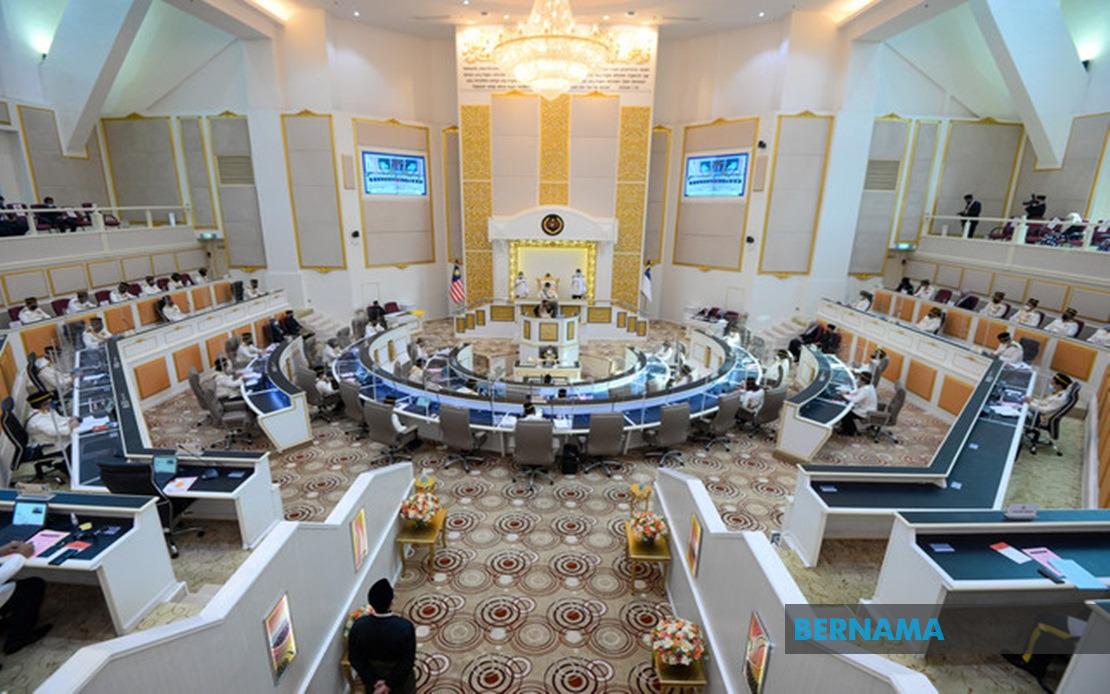
The Melaka state government is poised to receive funding approval for a long-awaited health clinic expansion in Bukit Rambai when Parliament considers the 2027 Budget in October. The decision on the proposed Type 3 Bukit Rambai Health Clinic will be made at that time, according to officials who addressed the state assembly this week. The project represents part of the state's broader infrastructure development strategy under the 13th Malaysia Plan and has already advanced through preliminary stages including land preparation.
Datuk Ngwe Hee Sem, who chairs the Melaka state assembly's Health, Human Resources and Unity Committee, confirmed that the proposal has been formally submitted to the Ministry of Economy as part of Rolling Plan 2 (RP2) under the 13th Malaysia Plan framework. This submission ensures the project aligns with national healthcare expansion priorities and federal budgeting processes. The relocation of the clinic proposal through official government channels demonstrates the structured approach required for significant capital investments in the state's medical infrastructure.
Site preparation work has already been completed at the proposed location, which sits opposite the existing Bukit Rambai Health Clinic. This groundwork signals serious commitment to the project and reduces potential delays once funding is secured. Officials estimate the construction timeline at three years from commencement, meaning residents could see services begin by the early 2030s if the October budget delivers the necessary allocation. The strategic placement adjacent to the current clinic will allow for coordinated service delivery during the transition phase.
The new facility promises to transform healthcare accessibility for residents across Bukit Rambai and surrounding communities. Beyond simply adding capacity, the Type 3 clinic designation reflects an expanded service scope that reflects evolving healthcare demands in the region. State health authorities emphasise that the new clinic will address longstanding gaps in specialised care that residents currently cannot access locally, reducing the burden on families to seek treatment in distant urban centres.
Radiology and dental services represent significant additions that will reshape the clinic's capabilities. The dental component alone will feature five chairs, establishing a meaningful presence where none currently exists. For a region serving a growing population, such facilities eliminate the necessity for patients to travel extensively for routine dental examinations and treatment. Radiology services provide diagnostic capabilities essential for modern healthcare delivery, allowing clinicians to make informed treatment decisions without external referrals.
Nutrition and dietetics services address the preventive medicine dimension increasingly emphasised in Malaysian healthcare policy. These professionals help manage chronic conditions like diabetes and hypertension through dietary intervention, reducing downstream complications and hospitalisation. Optometry services similarly expand preventive care, enabling early detection of vision problems and systemic diseases that manifest in the eyes. Together with physiotherapy and occupational therapy, these disciplines reflect a holistic approach to patient wellbeing beyond traditional curative medicine.
Mental health and psychosocial support services embedded within the clinic acknowledge the growing recognition of psychological wellbeing as integral to physical health. Counselling psychology and medical social work services facilitate early intervention for residents facing mental health challenges or social difficulties impacting their health outcomes. Speech therapy addresses communication disorders affecting quality of life, particularly among children and the elderly populations. This comprehensive suite demonstrates how modern health facilities must address the full spectrum of human health needs.
The clinic will strengthen foundational health services including maternal and child health programmes, laboratory diagnostics, and pharmacy operations. School health services integration ensures preventive medicine reaches students, establishing healthy habits during formative years. Health promotion activities embedded within the facility create community education opportunities around disease prevention and wellness. The emphasis on strengthening emergency and outpatient services suggests the facility will handle increased patient volumes while maintaining quality.
Operational benefits extend beyond service expansion to encompassing patient experience improvements. Congestion at existing facilities has likely constrained service quality and staff capacity for years. The new clinic will distribute patient demand across two facilities, reducing waiting times that currently burden the community. Enhanced physical environments and additional resources enable healthcare providers to deliver care with greater attentiveness and reduced time pressure, ultimately translating to better outcomes and patient satisfaction.
For Malaysian readers across the region, Melaka's healthcare investment signals state governments' responsibility to plan proactively for population health needs. The project demonstrates how structured planning through national frameworks like the 13th Malaysia Plan channels resources toward communities beyond Kuala Lumpur's orbit. The October budget announcement will be closely watched by other state authorities considering similar expansions, as it indicates federal willingness to fund Type 3 clinic development in non-metropolitan areas.
The broader significance extends to healthcare equity across Malaysia's federal structure. Communities in states like Melaka often experience delays in accessing specialised services available in major urban centres. By anchoring comprehensive health facilities within state populations, the government reduces healthcare geography's impact on patient outcomes. This clinic exemplifies how infrastructure investment translates policy commitments on health equity into tangible community benefit.
Success of the Bukit Rambai project will likely establish momentum for similar initiatives across other state capitals and secondary population centres. The three-year construction timeline fits within medium-term budgeting cycles, allowing for sequential development of healthcare infrastructure nationwide. As Malaysia's population continues aging and chronic disease burdens increase, distributing diagnostic and specialist capabilities beyond major cities becomes increasingly critical for sustainable healthcare delivery.

