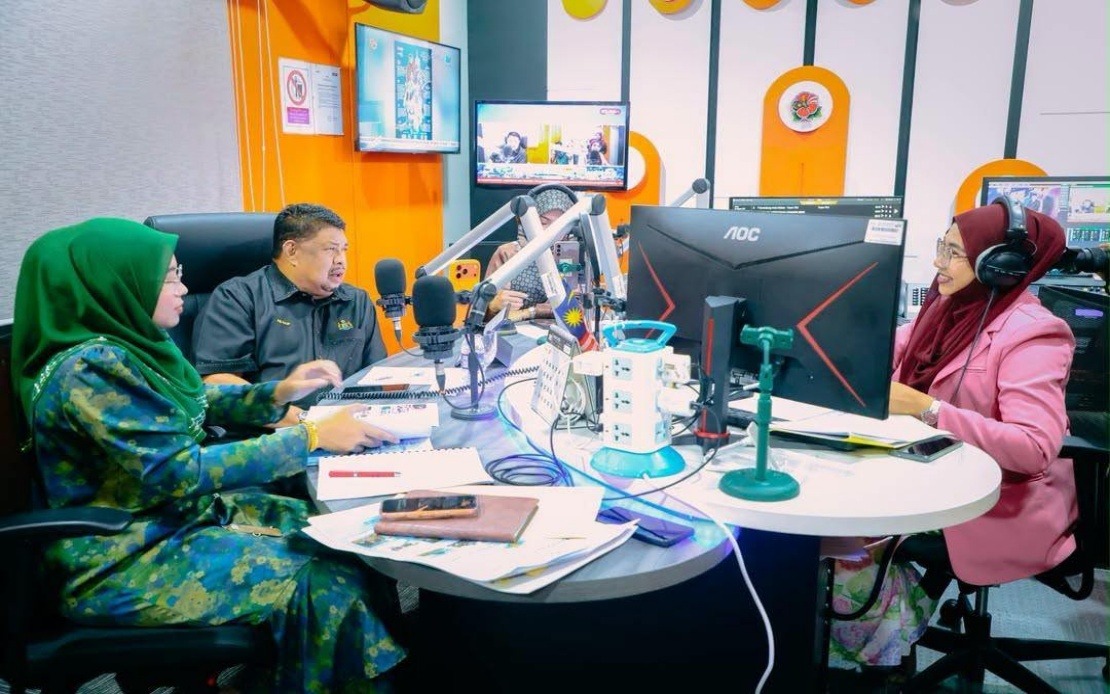
Melaka's 2026 National Day festivities will mark a significant departure from recent precedent, with celebrations relocating to the waterfront Dataran 1Malaysia Klebang for a three-day programme that promises unprecedented military showcases and public engagement. Chief Minister Datuk Seri Ab Rauf Yusoh unveiled the reimagined celebrations during an interview, signalling the state government's ambition to create a more expansive and participatory observance of the nation's founding principles. The shift from Dataran Pahlawan, which served as the venue for the past two years, reflects a strategic decision to leverage coastal geography and military assets as centrepieces for the festivities.
The centrepiece of the state-level commemoration will be the Civil-Military Cooperation (CIMIC) Carnival Melaka 2026, a collaborative initiative between the Melaka state government and the Malaysian Armed Forces. Launching on the morning of August 30, this carnival represents an emerging trend across Malaysia of integrating defence capabilities with civilian public outreach, allowing ordinary citizens direct access to military personnel and equipment. Three Royal Malaysian Navy warships will be berthed off the Klebang coast throughout the celebration period, presenting an opportunity for visitors to tour naval vessels and gain appreciation for maritime defence infrastructure that typically remains distant from public awareness. This transparent approach to showcasing defence assets reflects broader efforts by Malaysia's military to enhance civil-military relations and demonstrate the relevance of armed forces to civilian society.
The expanded celebrations will feature a substantively larger parade along Klebang's coastal road compared to previous years, accompanied by aerial displays of significant technical complexity. Visitors can expect parachute jumps by trained military personnel, high-speed demonstrations by fighter jets, helicopter manoeuvres, and special forces operational displays that showcase the capabilities of Malaysia's defence establishment. These components together create an immersive civilian experience of military professionalism and technological prowess, elements that resonate particularly strongly in Southeast Asia, where citizens often have limited exposure to such demonstrations. The strategic inclusion of air and ground components appeals to diverse audience interests while reinforcing national pride in Malaysia's defence capabilities.
Cultural programming constitutes an equally vital dimension of the three-day event, ensuring that patriotic observance encompasses artistic expression and entertainment. Merdeka Eve celebrations scheduled for the evening of August 30 will feature a curated selection of performances by established Malaysian entertainers including Ziana Zain, Amy Search, and Charly Van Houten, providing musical accompaniment to the festivities. The integration of popular cultural figures with military displays reflects a deliberate strategy to attract diverse age demographics and family groups, transforming the celebration into a comprehensive social occasion rather than a ceremony confined to specific communities or interest groups.
The main National Day programme on August 31 will encompass a full spectrum of participatory and observational activities. Contingent parades will march through designated routes, vehicular and equipment processions will display military and civilian assets, and ethnic and cultural performances will underscore Malaysia's multicultural character. Field events interspersed throughout the day will encourage direct public participation, while a closing floats parade will provide visual spectacle to conclude the three-day sequence. This comprehensive programming structure ensures sustained visitor engagement across extended hours and appeals to varied interests within the broader community.
Religious observances will frame the secular celebrations, demonstrating the integration of faith-based practice within national commemoration. The Melaka Berselawat programme scheduled for August 29 will feature congregational prayers and religious discourse delivered by visiting scholar Habib Syech Assegaf, alongside qasidah performances that blend spiritual devotion with artistic expression. This component acknowledges the Muslim-majority character of Malaysia's population whilst maintaining the ostensibly inclusive nature of state-level festivities by offering coordinated activities rather than exclusive observances.
Logistical planning reflects organisers' commitment to accommodating substantial public attendance whilst maintaining operational efficiency. A public grandstand will provide 2,000 designated seats, supplemented by additional seating areas distributed along the parade route for visitors unable to secure grandstand positions. The availability of approximately 5,000 parking spaces across eleven discrete parking areas addresses potential congestion challenges, whilst shuttle bus services will facilitate movement between parking facilities and the celebration venue. Traffic management measures and scheduled road closures will be implemented according to a predetermined timetable, ensuring predictability for residents and visitors whilst enabling rehearsal activities to proceed without substantial disruption to regular movement patterns.
For Malaysian and Southeast Asian observers, Melaka's expanded National Day programming reflects broader regional trends regarding the militarisation of public civic space and the integration of defence establishments within civilian social commemoration. The CIMIC framework, whilst presented as fostering civil-military cooperation, simultaneously normalises the visibility and accessibility of military assets within civilian contexts. For regional analysts, the progression from traditional parades to integrated military-civilian spectacles indicates evolving approaches to national identity formation and public engagement with state institutions. The event's prominence within Melaka's calendar and the apparent enthusiasm of state leadership suggests that comparable initiatives may proliferate across Malaysian states, establishing new precedents for how National Day celebrations are conceptualised and executed.

