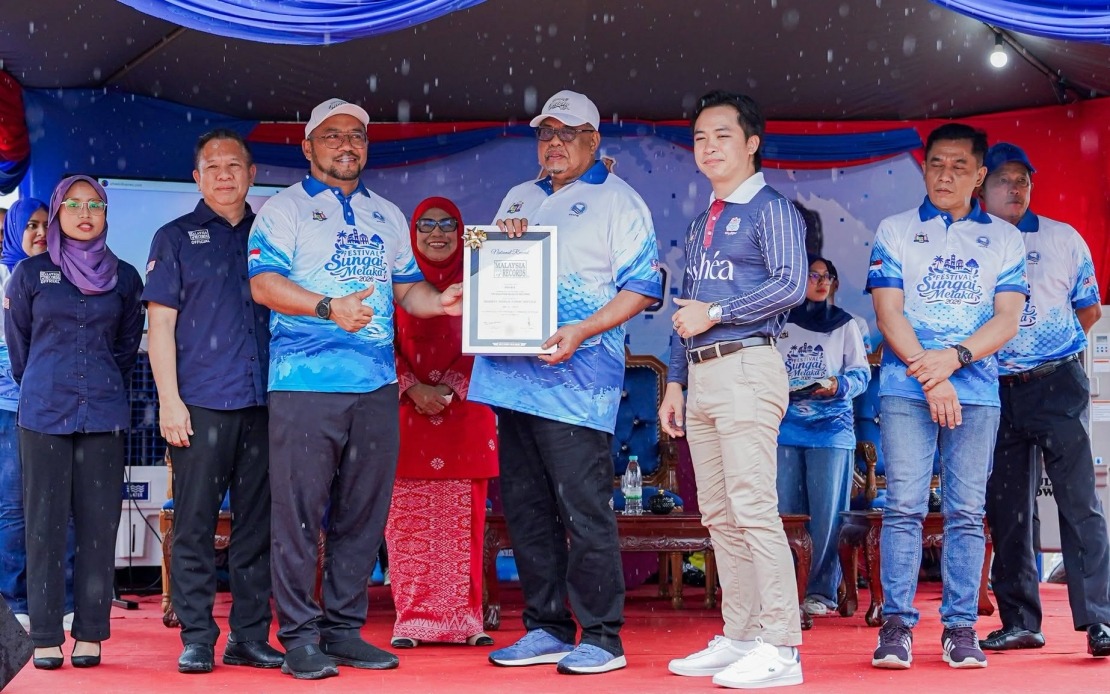
The Melaka River Cruise is set to become a defining tourism attraction for the state, with operators expressing confidence they can attract one million visitors before year's end despite trailing substantially behind schedule. The Perbadanan Pembangunan Sungai dan Pantai Melaka (PPSPM), the statutory body managing the waterway tourism product, announced the ambitious goal at a public ceremony on July 19, where recognition was awarded to participants in the Melaka River Festival 2026. This initiative reflects broader state government efforts to position heritage attractions as economic drivers in a competitive regional tourism landscape increasingly crowded with alternative experiences across Southeast Asia.
As of June this year, approximately 350,000 passengers had embarked on the picturesque cruise along the Melaka River, leaving the operator with a daunting challenge: securing 650,000 additional visitors—roughly 60 per cent of the total target—within the remaining six months. PPSPM chief executive officer Shaharul Azuar Idris acknowledged this substantial gap while projecting optimism about closing it through targeted marketing strategies. The timeline places significant pressure on the organisation to demonstrate operational capacity and marketing effectiveness during the critical final quarter, a period that typically encompasses holiday seasons and end-of-year festivities when domestic travel patterns surge across Malaysia.
To bridge this passenger shortfall, PPSPM is aggressively rolling out discounted package offerings designed to appeal to cost-conscious Malaysian families and tour groups. These promotions extend beyond the domestic market, with intensified international advertising campaigns positioning the Melaka River Cruise as an essential experience for visitors to the state. The messaging strategy underscores the scenic qualities of the waterway and its cultural significance within Melaka's wider heritage tourism ecosystem, attempting to differentiate the cruise from competing attractions throughout Southeast Asia that range from Bangkok's canal experiences to Singapore's river experiences and beyond.
The operator currently maintains a fleet of 60 vessels, distributed strategically across two operational areas: 30 boats serve the main Melaka River route while another 30 operate the parallel Eco Cruise service at Tasik Chinchin. This bifurcated approach allows PPSPM to capture different market segments—heritage and cultural tourism along the historic river corridor versus nature-focused experiences at the reservoir. However, the capacity available suggests potential bottlenecks during peak demand periods, particularly if the organisation successfully drives visitor numbers toward the one million target. Infrastructure constraints could prove problematic if current fleet utilisation levels cannot be sustainably increased without compromising service quality or passenger safety standards.
Capital investments in fleet modernisation feature prominently in PPSPM's expansion roadmap. The organisation is evaluating proposals to introduce newly-constructed vessels equipped with contemporary technologies, though no timeline has been confirmed for deployment. Simultaneously, existing premium vessels including the 'Everlasting Love Boat' and 'Tun Khalil Cruise' have undergone upgrades that introduce dining experiences and enhanced amenities targeting higher-spending tourists willing to pay premium fares. This tiered product strategy—balancing budget-conscious volume passengers with affluent experience-seekers—reflects sophisticated tourism management principles aimed at maximising revenue across different customer segments while managing operational complexity.
The state government's commitment to the tourism sector extends beyond commercial objectives, with PPSPM announcing complementary initiatives designed to build community support and generate positive publicity. Under the Melaka Sayang Rakyat initiative, over 5,000 residents will receive complimentary passage on both the Melaka River Cruise and Tasik Chinchin Eco Cruise during National Day celebrations on August 31. This subsidy programme simultaneously serves political objectives—demonstrating state government generosity toward constituents—while generating projected visitor numbers and creating word-of-mouth marketing as beneficiaries share their experiences within social networks. The timing capitalises on heightened patriotic sentiment and increased domestic travel during Malaysia's independence commemorations.
Operational readiness for the National Day campaign requires substantial coordination across PPSPM's workforce and logistical networks. Shaharul Azuar confirmed preparations include adequate staffing levels and sufficient vessels to prevent extensive queueing or boarding delays that could undermine the visitor experience. Such assurances prove critical given that mismanagement during high-volume events can generate negative publicity that reverberates through social media platforms, potentially undermining broader promotional efforts. Conversely, successful execution of a large-scale complimentary programme builds positive brand associations and encourages paid visits during subsequent months.
The broader context for these initiatives extends beyond Melaka's borders. Malaysian states increasingly compete for tourism revenue and international visitor arrivals as part of national economic diversification strategies. River-based heritage tourism products have gained prominence across the region, with destinations from Vietnam's Mekong region to Cambodia's Tonlé Sap Lake capitalising on similar narratives combining cultural authenticity, scenic environments, and accessible adventure. PPSPM's targeting of one million annual passengers places Melaka's offering in competition with these regional alternatives, requiring continuous product enhancement and international marketing investment to capture growing outbound tourism flows from neighbouring countries.
For Malaysian tourism stakeholders and policymakers, the PPSPM initiative illustrates both the potential and challenges inherent in leveraging heritage assets for economic development. The organisation's willingness to invest in fleet modernisation and premium service offerings demonstrates recognition that contemporary tourists expect quality standards comparable to international competitors. However, achieving the ambitious one million passenger target within six months will require flawless execution across marketing, operations, and customer service dimensions. The results achieved by year-end will provide valuable benchmarking data for other state-level tourism authorities considering similar waterway tourism development strategies throughout Malaysia.

