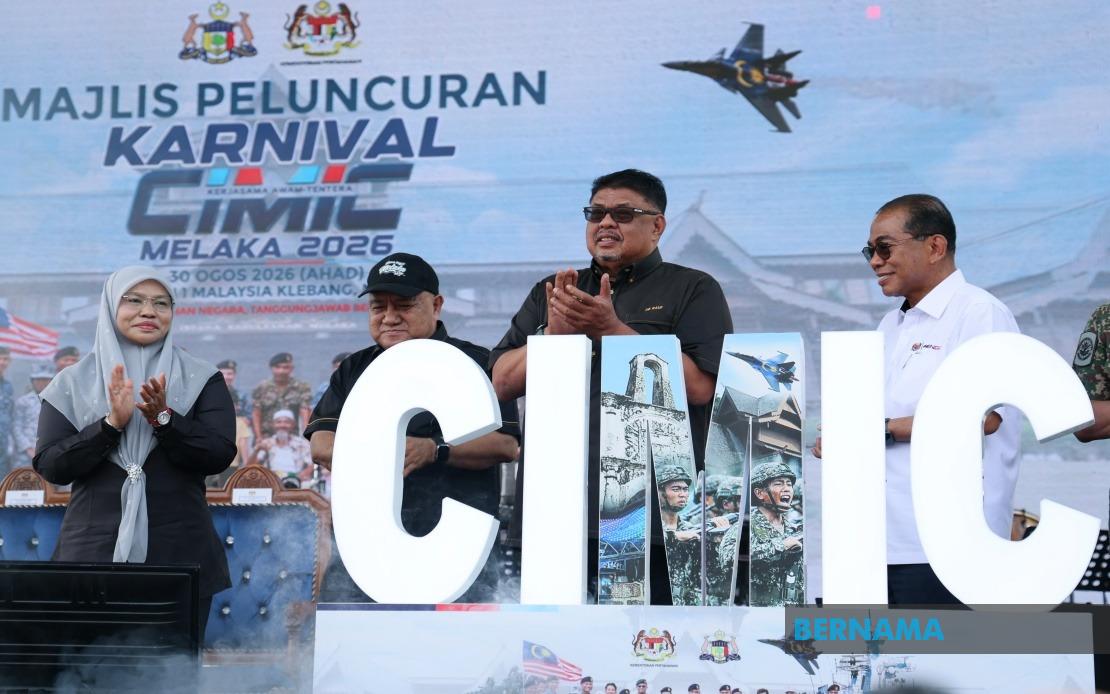
The Malaysian government is actively considering Melaka as a future host location for the Langkawi International Maritime and Aerospace Exhibition (LIMA), one of the region's most significant defence and aerospace showcases. Defence Minister Datuk Seri Mohamed Khaled Nordin disclosed the proposal while attending the Civil-Military Cooperation Carnival at Dataran 1Malaysia in Klebang, signalling a strategic shift in how Malaysia presents its maritime and defence capabilities to the international community.
The relocation concept emerged following the successful participation of six Royal Malaysian Navy vessels during this year's Melaka-level National Day celebrations, demonstrating the state's capacity to accommodate major naval operations. Mohamed Khaled identified the Klebang area specifically as a viable alternative, noting its geographical advantages including proximity to Batu Berendam Airport and natural berthing facilities for naval vessels. This combination of air and sea infrastructure, he suggested, positions Melaka as a credible successor to Langkawi for hosting the exhibition.
Accessibility represents a central argument in the government's assessment. Currently, LIMA's Langkawi location limits participation from ordinary Malaysians and regional visitors due to transportation costs and logistical challenges associated with reaching an island venue. A mainland location like Melaka would theoretically enable widespread public engagement across the country, transforming LIMA from an exclusive showcase into a more inclusive platform for demonstrating Malaysian defence prowess and aerospace capabilities to domestic audiences.
However, Mohamed Khaled was candid about the financial prerequisites. Hosting LIMA in Melaka would demand substantial government capital investment to upgrade existing infrastructure and develop supporting facilities required for an international exhibition of LIMA's scale and prestige. The minister did not specify the investment quantum, but the qualification underscores that this proposal remains contingent on budgetary availability and competing fiscal priorities within the defence ministry's portfolio.
Melaka Chief Minister Datuk Seri Ab Rauf Yusoh echoed the infrastructure concerns while expressing qualified enthusiasm for hosting the exhibition. He indicated the state government's willingness to accommodate LIMA but stressed the necessity of conducting thorough capacity assessments and evaluating potential benefits for Melaka's economy and development trajectory. This cautious approach reflects the state administration's understanding that international exhibitions demand extensive preparation and carry reputational implications for host regions.
Ab Rauf framed the discussion as requiring further deliberation at federal level, suggesting that any decision would emerge through collaborative assessment between Kuala Lumpur and Melaka authorities. He indicated openness to the proposal conditional on demonstrable mutual benefits for both levels of government, hinting that cost-sharing arrangements and economic impact projections would likely inform final negotiations. The tone suggests neither rejection nor firm commitment, but rather a pragmatic acknowledgment of complexities involved.
The strategic significance of this proposal extends beyond mere venue relocation. LIMA ranks among Asia's premier defence and aerospace platforms, attracting major international defence contractors, military delegations, and media attention spanning continents. Hosting LIMA would elevate Melaka's international profile, position the state as a centre for defence industry engagement, and potentially catalyse downstream economic development through ancillary tourism, hospitality, and commercial opportunities. For Malaysia's defence sector specifically, a mainland venue could facilitate more robust industry participation and knowledge exchange.
From a geopolitical perspective, the proposal reflects Malaysia's broader strategic posturing in maritime Southeast Asia. The Strait of Melaka remains one of the world's most critical shipping lanes, and periodic naval exhibitions underscore Malaysian sovereignty and naval capabilities within this contested space. Relocating LIMA to a location directly adjacent to this strategically vital waterway would symbolically reinforce Malaysian maritime presence while providing tangible demonstration opportunities for the Royal Malaysian Navy's operational readiness.
The Civil-Military Cooperation Carnival itself, held from August 29 to 31, functioned as both backdrop and practical demonstration of Malaysian Armed Forces capabilities. The event served the Defence Ministry's Strategic Communications objectives by fostering civil-military engagement and providing public education regarding military functions and defence sector contributions to national development. Such platforms increasingly complement traditional defence exhibitions in communicating military relevance to civilian populations.
The timeline for this proposal remains undefined. Mohamed Khaled framed the Melaka option as a contingency to be explored "in the future" should Langkawi cease to be deemed appropriate, suggesting no immediate change to LIMA's current schedule or location. This language provides flexibility while signalling serious consideration, allowing time for both feasibility studies and potential infrastructure development without announcing definitive policy shifts that might complicate current arrangements with Langkawi stakeholders.
For Malaysian business interests and regional defence industries, the proposal carries implications worth monitoring. A Melaka venue would potentially reduce access barriers and participation costs, enabling smaller Malaysian defence companies and tech startups to engage with international counterparts and procurement officials. Similarly, regional participation from ASEAN nations might increase if travel logistics improve, strengthening Malaysia's position as a defence and maritime technology hub within Southeast Asia.

