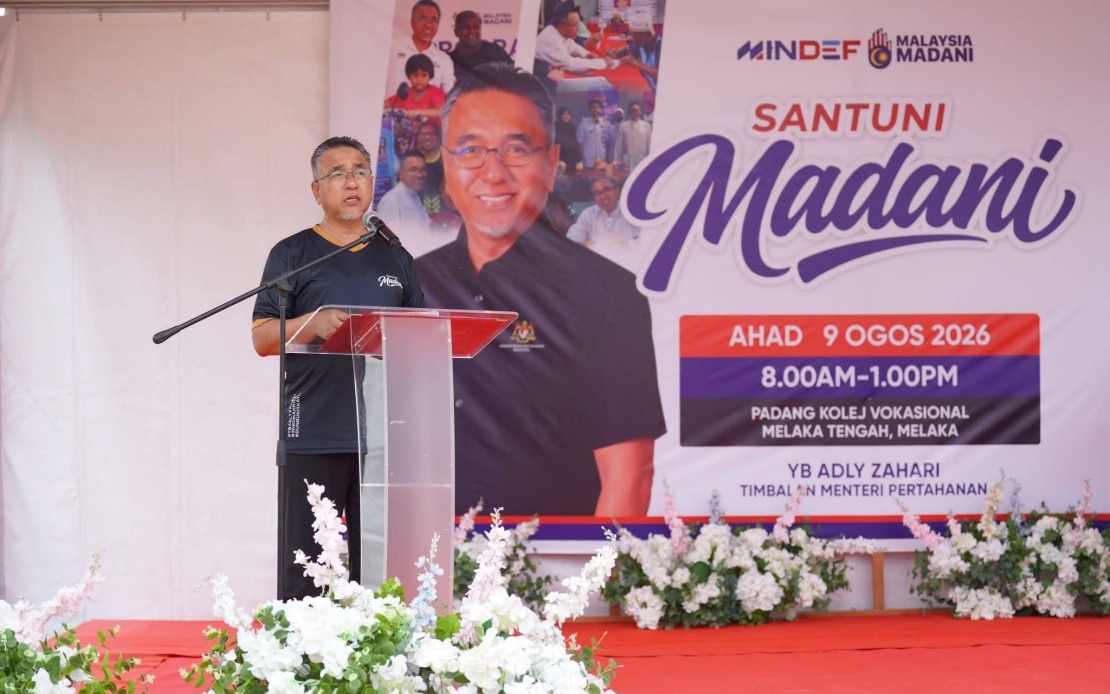
Melaka's ruling Pakatan Harapan coalition has signalled a pragmatic approach to the coming state election, with party leadership indicating they are prepared to explore political partnerships with other groups while maintaining focus on their core campaign objectives. Speaking at an event in Melaka Tengah, PH state chairman Adly Zahari outlined the coalition's strategy of remaining receptive to overtures from potential allies, though he stressed that no formal arrangements have yet crystallised at the party level.
The coalition has already conducted preliminary discussions to evaluate its electoral viability, with two rounds of internal meetings completed. However, Adly made clear that these gatherings have been confined to PH's own structures, with broader negotiation frameworks not yet established. He suggested that the coalition's approach reflects fundamental democratic principles, where different forms of political cooperation can take shape depending on circumstances and mutual interests. This measured stance indicates that Melaka PH is avoiding overcommitment while keeping its options open for tactical alliances.
When pressed on whether overtures had been made to Barisan Nasional, the traditional governing coalition at state level, Adly declined to confirm any formal contact. Nonetheless, he indicated that PH would welcome discussions with any party whose values aligned with Malaysia MADANI, the government's flagship ideological and developmental framework. This positioning suggests that while Melaka PH remains technically open to dealing with BN, it will likely prioritise partnerships with ideologically compatible groups that share the MADANI vision.
The seat expansion ambition represents a significant strategic goal for the coalition in Melaka. Currently holding five of the state assembly's 28 seats, PH has grounded its optimism in quantifiable assessments of its performance in three parliamentary constituencies—Alor Gajah, Kota Melaka, and Hang Tuah Jaya—where the coalition secured victories in federal elections. Beyond these traditional strongholds, party strategists are evaluating potential gains in Tangga Batu, Masjid Tanah, and Jasin, constituencies where PH believes demographic and political shifts may have created new openings. This targeted geographic approach suggests that rather than pursuing blanket coverage, the coalition is focusing its resources on winnable territories.
Adly's characterisation of the party's internal preparations as the primary focus underscores PH's determination to build momentum from within before engaging in broader coalition mathematics. By strengthening its organisational foundations and candidate selection processes before finalising external partnerships, the coalition aims to ensure that any electoral cooperation is constructed from a position of strength rather than desperation. This sequencing also reflects lessons learned from previous Melaka elections, where fractious internal dynamics within multi-party coalitions have sometimes undermined overall performance.
PKR's state leadership added another layer to the emerging picture, with acting chairman Adam Adli Abd Halim acknowledging that Melaka's political landscape possesses distinctive characteristics that set it apart from other Malaysian states. He noted that the Unity Government configuration, which binds PH with BN and other parties at federal level, does not necessarily translate into identical arrangements at state level, particularly in a state like Melaka where BN retains considerable organisational capacity and electoral roots. This recognition of local particularities suggests that negotiators will need to craft state-specific solutions rather than simply mirroring federal agreements.
Adli disclosed that informal communication channels between PH and BN remain active, even without formal negotiation frameworks. These backchannel discussions, conducted through individual party leaders rather than official party structures, serve as early warning systems and confidence-building mechanisms. Such engagement prevents complete breakdown of dialogue while allowing both sides to assess compatibility and explore potential compromises. In Malaysian politics, these informal networks often precede formal negotiations, permitting parties to test assumptions without public commitment.
The emphasis by PKR representatives on maintaining public focus on governance rather than engaging in excessive political theatre reveals awareness that Melaka voters have grown weary of perpetual political instability. The state experienced multiple government transitions in recent years, each accompanied by defections, counter-defections, and public acrimony. By pledging that assemblymen will prioritise service delivery and avoid inflaming communal or political sensitivities, PH is attempting to contrast itself with perceptions of reckless power-chasing that have characterised recent Melaka politics.
The PH coalition's strategy must also be understood within the context of Melaka's unique demographic and electoral profile. The state's delicate communal balance means that any coalition configuration will be scrutinised through communal lenses. This reality constrains the types of partnerships that can be credibly presented to voters, as alliances perceived as threatening to any major community's interests will face mobilised opposition. Consequently, PH's emphasis on Malaysia MADANI principles—a framework explicitly designed to emphasise shared values across communities—represents an attempt to position coalitional arrangements as transcending narrow communal calculations.
Looking ahead, the trajectory of these negotiations will carry implications beyond Melaka itself. How PH manages coalition-building in a state where it currently holds minority status may establish precedents for other state governments where PH faces similar numerical constraints. The willingness to negotiate with parties beyond the traditional Opposition strongholds could signal broader flexibility in how PH approaches power-sharing arrangements in Malaysia's federal system. Conversely, if negotiations collapse or prove acrimonious, it may reinforce perceptions that PH struggles to maintain stable coalitional arrangements, potentially affecting its electoral standing and coalition viability in other contexts.

