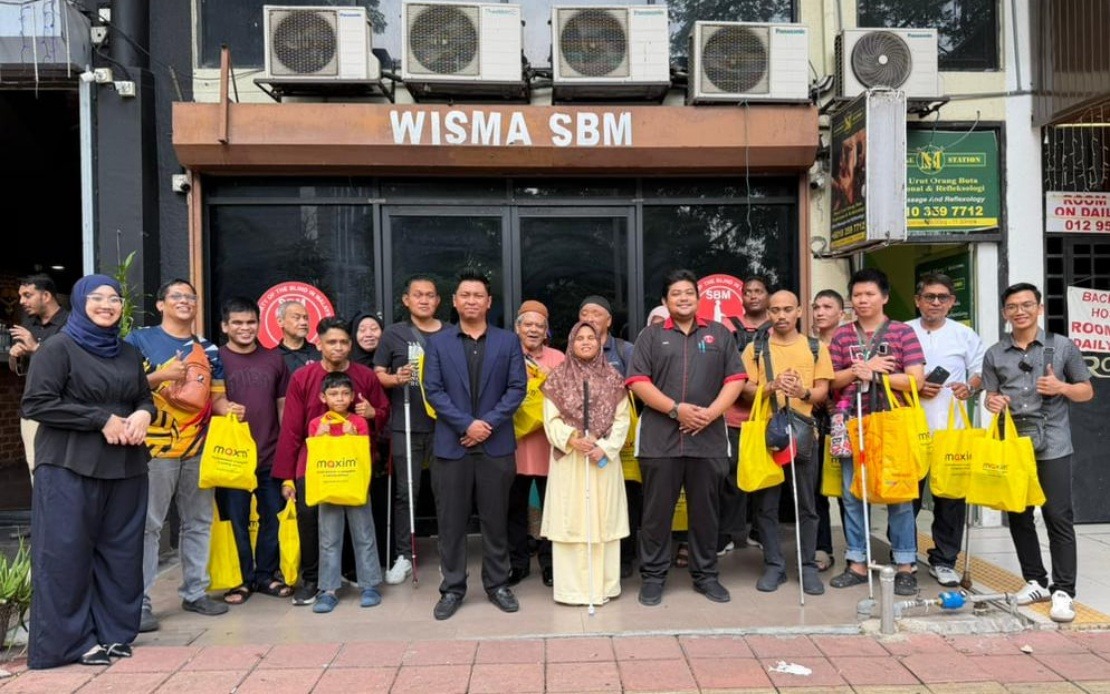
Ride-hailing platform Maxim is intensifying its push to dismantle transportation barriers for persons with disabilities, senior citizens, households with limited incomes, and other marginalised communities across Malaysia. Through a combination of competitive pricing structures, technology-driven solutions, and collaborative agreements with key stakeholders, the company aims to position mobility as a fundamental right rather than a privilege determined by economic status or circumstance.
Syed Abdul Syarif Syed Peiaru, Maxim's Kuala Lumpur regional head, underscored the company's foundational belief that transportation extends beyond mere transit from point A to point B. In his assessment, accessible mobility serves as a critical enabler of social and economic participation, unlocking pathways to employment, education, healthcare access, and meaningful community involvement. This philosophy reflects a growing recognition within Southeast Asia's ride-hailing sector that inclusive business practices can simultaneously address social inequities and expand market penetration into segments previously overlooked by competitors.
The accessibility framework Maxim has constructed encompasses multiple dimensions of inclusion. Beyond fare structures designed for economically disadvantaged passengers, the platform has engineered specific features targeting different user groups. The Mesra OKU service, for instance, accommodates persons with disabilities through extended driver waiting periods, staff trained in assistance protocols, mobility aid accommodation, and voice-activated booking capabilities. This granular approach acknowledges that accessibility needs vary significantly across populations, requiring tailored interventions rather than one-size-fits-all solutions.
Technology plays an increasingly central role in Maxim's accessibility agenda. The platform's interface prioritises transparency, displaying fares upfront and enabling real-time driver connectivity. Voice-recognition functionality, particularly through partnerships with the Society of the Blind in Malaysia, ensures that visually impaired users can navigate the service seamlessly using TalkBack features. As digital solutions evolve, Maxim envisions integrating further innovations that reduce friction points for passengers with varying accessibility requirements, positioning technology as an inclusive rather than exclusive mechanism.
Strategic partnerships form another pillar of Maxim's expanded outreach. By collaborating with hospitals, educational institutions, non-governmental organisations, and disability advocates, the platform embeds itself within ecosystem networks that already serve vulnerable populations. These partnerships generate mutual benefits: service providers gain transportation solutions for their constituents, while Maxim gains deeper insight into user needs and enhanced credibility within communities historically underserved by commercial ride-hailing operators. Such alliances represent a departure from purely transactional business models.
The company has also extended its inclusive vision into recreational and sporting domains. Support for para-athletes and adaptive sports communities, including transport assistance for Sarawak para swimmers accessing training facilities and competitions, demonstrates commitment extending beyond daily utility. This engagement acknowledges that persons with disabilities seek participation across life's full spectrum, not merely essential services, and that mobility solutions enabling such participation foster dignity and independence.
Pricing innovation represents a critical component of Maxim's accessibility strategy. Beyond standard discounts, the platform has introduced specialised fare structures for persons with disabilities and individuals with specific needs, ensuring that affordability corresponds with actual financial circumstances rather than serving as nominal gestures. This distinction matters significantly in the Malaysian context, where household income concentration in lower and middle-income brackets means that genuine pricing accessibility directly influences service utilisation patterns among target populations.
For persons with disabilities specifically, the accessibility improvements have generated tangible lifestyle changes. Users report increased autonomy in commuting to employment, attending educational institutions, maintaining medical appointments, and participating in social activities. These outcomes align with broader developmental goals emphasising social inclusion and economic participation among persons with disabilities, making Maxim's initiatives relevant to national disability policy frameworks and United Nations Sustainable Development objectives.
The expansion into rural and underserved areas addresses a geographic dimension of accessibility often overlooked in urban-centric ride-hailing operations. Malaysia's dispersed settlement patterns, particularly in East Malaysia and peripheral peninsular regions, create mobility deserts where commercial services remain sparse. Maxim's commitment to extending operations into these areas, combined with fare structures reflecting local economic conditions, suggests recognition that inclusive mobility requires geographic redistribution of service capacity alongside demographic targeting.
Maxim's approach reflects evolving corporate understanding that accessibility constitutes a business opportunity rather than purely a corporate social responsibility obligation. By positioning reliable transportation as foundational to economic participation, the company articulates a value proposition resonating with policymakers, development practitioners, and socially conscious consumers. This framing matters in Southeast Asian markets where government agencies increasingly emphasise inclusive economic growth and where consumer demographics increasingly include younger cohorts prioritising corporate social responsibility.
Looking forward, Maxim's stated commitment to sustained engagement with government bodies, healthcare systems, NGOs, and educational institutions suggests embedding accessibility as a permanent operational feature rather than ephemeral campaign initiative. This institutionalisation approach increases likelihood of sustained rather than sporadic service improvements. By positioning transportation as a bridge to opportunity rather than an obstacle, Maxim articulates a vision wherein mobility becomes instrumental to broader social inclusion objectives across Malaysia.

