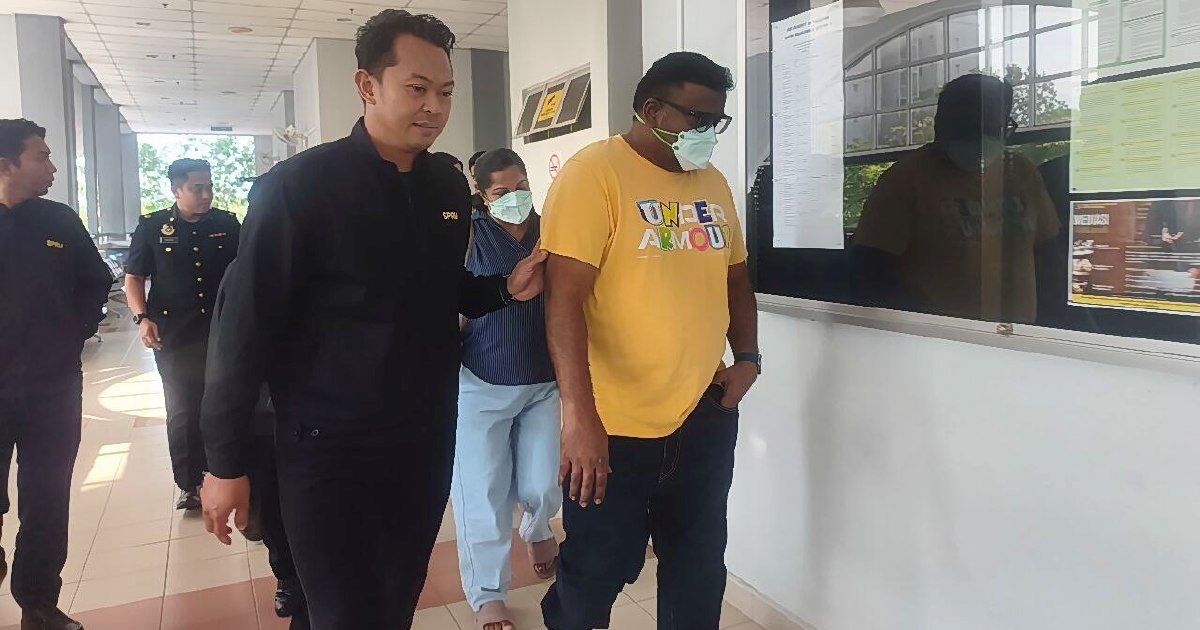
Three individuals, including a married couple, appeared before the Sessions Court in Seremban where they entered not guilty pleas to charges alleging they submitted and assisted in making false claims for incentives from the Social Security Organisation, known locally as Perkeso.
The case represents another instance of alleged benefit fraud targeting Malaysia's principal employment insurance and social security agency, an organisation that serves millions of workers across the nation. Perkeso plays a critical role in providing financial protection to workers during periods of unemployment, illness, disability, and retirement, making fraudulent claims particularly damaging to the system's integrity and the resources available for genuine claimants.
The involvement of a married couple suggests potential household-level coordination in the alleged scheme. Such cases often indicate organised deception rather than isolated incidents, raising concerns about whether networks of individuals may be systematically exploiting Perkeso's benefit systems. The inclusion of a third party further indicates the scope of the alleged conspiracy to deceive the organisation.
Fraud targeting Perkeso has become an increasingly significant concern for Malaysian authorities. The organisation processes hundreds of thousands of benefit applications annually, and the scale of operations can create vulnerabilities that sophisticated fraudsters may exploit. When individuals successfully submit false claims, they divert limited government resources away from workers who genuinely require assistance and support during vulnerable periods in their employment histories.
The pleading of not guilty by all three defendants suggests the prosecution will need to present substantial evidence demonstrating deliberate deception and submission of false documentation to Perkeso officials. Such cases typically involve investigators examining bank records, employment documentation, medical certificates, and communications between the accused to establish intent and coordination in the alleged scheme.
For Malaysian employment law observers, this prosecution underscores the government's continued emphasis on combating benefit fraud through the courts. The willingness of authorities to pursue multiple defendants together indicates a strategy of dismantling organised fraud networks rather than addressing isolated cases. This approach reflects growing recognition that benefit fraud rarely occurs in isolation and often involves multiple parties sharing in the fraudulent gains.
The situation carries particular relevance for Malaysian workers and employers. When fraud diminishes Perkeso's resources, the organisation may face pressure to impose stricter verification procedures, potentially slowing legitimate benefit processing times. Additionally, instances of large-scale fraud can create justification for policy adjustments that may affect benefit eligibility criteria or claim assessment procedures, potentially impacting genuinely vulnerable workers seeking legitimate assistance.
Perkeso's role in Malaysia's social safety net has become increasingly important as economic uncertainties affect employment stability across various sectors. The organisation provides crucial income support during the vulnerable periods when workers lose employment or face health-related work interruptions. Protecting the integrity of this system benefits all participants in the employment ecosystem, from workers who depend on its protection to employers who contribute to the scheme.
The court proceedings in Seremban will likely involve detailed examination of how the alleged false claims were formulated, submitted, and processed. Prosecution evidence will probably include documentary proof of misrepresentation regarding employment status, income levels, or other material facts required for claim assessment. The defence will have opportunity to challenge the prosecution's interpretation of events and documentation.
This case also reflects the ongoing challenge Malaysian authorities face in detecting and prosecuting benefit fraud within a system serving a large population. While Perkeso has implemented verification mechanisms and fraud detection systems, determined individuals continue attempting to exploit gaps in the process. Each prosecution helps establish legal precedent while deterring others from attempting similar schemes.
The outcomes of these proceedings will be closely watched by government agencies, employment law specialists, and labour organisations throughout Malaysia. Beyond the immediate implications for the three defendants, the case contributes to the broader body of case law surrounding employment benefit fraud, potentially influencing how similar matters are prosecuted and adjudicated in future court appearances across the country.

