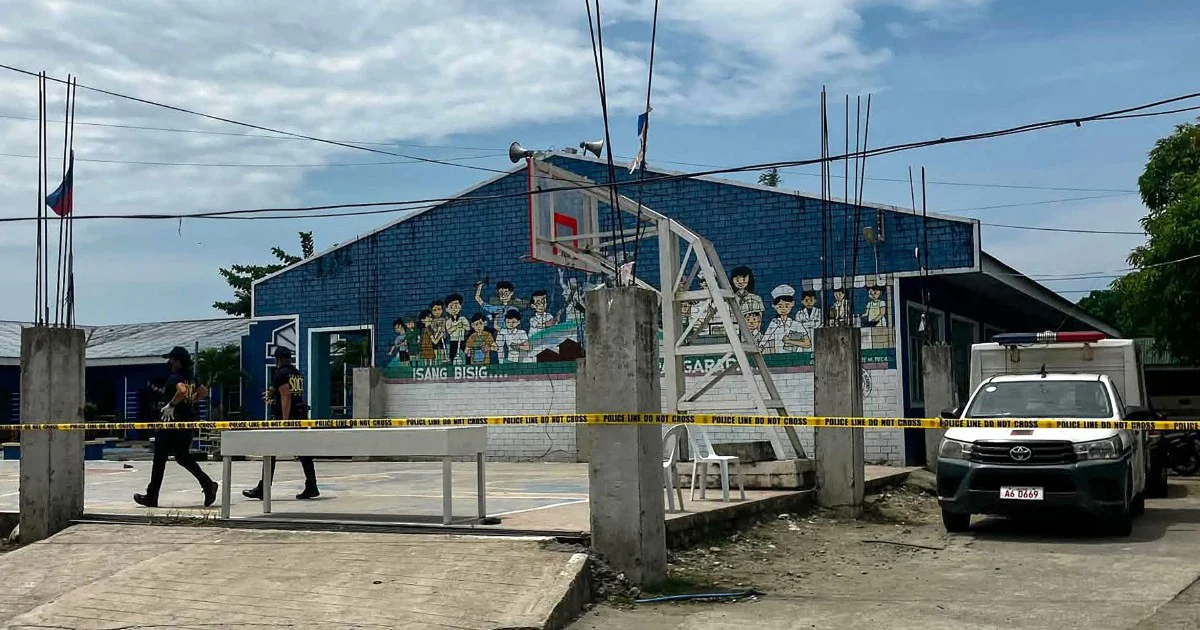
Philippine President Ferdinand Marcos Jr has initiated a comprehensive investigation into a shooting incident at an educational institution in Tacloban that resulted in three fatalities and left five individuals wounded. The directive, issued on Monday, signals the administration's commitment to addressing what represents a significant security breach at a place traditionally considered a sanctuary for young learners and educators.
The Tacloban school shooting marks a troubling development in a nation where firearm violence, though less prevalent than in some neighbouring jurisdictions, continues to pose concerns for public safety officials and residents alike. The incident underscores the vulnerability of civilian spaces, particularly institutions serving vulnerable populations such as children and adolescents, to armed attacks. For policymakers across Southeast Asia grappling with questions of school security and gun control, the Philippines case provides another sobering data point in the region's ongoing discussion about preventing such tragedies.
The simultaneous wounding of five additional victims suggests the shooting could have inflicted considerably greater casualties, raising questions about response protocols and whether available security measures functioned effectively. Authorities will likely examine whether school personnel followed established emergency procedures, whether appropriate protective measures were in place, and whether warning signs preceding the incident had been identified and acted upon appropriately.
President Marcos's decision to order a formal investigation reflects the gravity officials attach to the matter and the expectation that victims' families and the broader public deserve transparent answers regarding the circumstances that permitted the attack. Such probes typically examine the shooter's background, motivation, access to firearms, and any potential connections to organised crime or extremist networks—considerations particularly relevant given the Philippines' occasional experiences with politically or ideologically motivated violence.
The security implications extend beyond the immediate school community. Violence at educational facilities generates broader societal anxiety among parents and educators, potentially affecting school attendance and the willingness of families to send children to educational institutions. Regional counterparts including Malaysia, Indonesia, and Thailand, which have each contended with armed incidents affecting schools and public spaces, recognise that restoring public confidence requires swift, credible investigations and demonstrable preventive measures.
Philippine law enforcement agencies face the challenge of rapidly identifying the perpetrator, establishing motive, and determining whether systemic vulnerabilities require policy adjustments. The investigation will address questions including whether the shooter acted alone, whether advanced planning occurred, and whether intelligence agencies possessed prior knowledge that might have enabled intervention. Such details prove critical for evaluating existing security frameworks and identifying necessary reforms.
For Southeast Asian observers, the incident highlights an uncomfortable reality: schools, despite their societal importance and the expectation of safety they should provide, remain vulnerable to determined attackers absent comprehensive security protocols. The Philippines, like regional neighbours, must balance educational accessibility and normalcy with appropriate protective measures—a tension that schools worldwide navigate continuously.
The wounding of five additional people alongside the three fatalities suggests the shooting unfolded over a period allowing multiple victims to be struck. Emergency medical response systems will also face scrutiny regarding casualty evacuation, triage procedures, and treatment capacity. Understanding the response timeline helps identify whether improved emergency protocols might have prevented fatalities or reduced injury severity.
President Marcos's administration has positioned itself as responsive to security crises, and this investigation announcement reflects that positioning. The public presentation of investigative findings, once completed, will shape national discourse regarding school safety policy and may influence broader decisions about firearms regulation, security personnel deployment in educational settings, and coordination between police and educational administrators.
The incident occurs within a Philippines context where cities including Tacloban have experienced various security challenges in recent years. The city, located in Eastern Visayas, represents a significant population centre, and events affecting residents generate immediate media attention and political response. The presidential directive ensures high-level oversight rather than permitting the matter to become a routine criminal investigation managed solely at local levels.
As the investigation proceeds, neighbouring Southeast Asian nations will likely monitor developments and potentially draw lessons applicable to their own educational security frameworks. The ASEAN region lacks a cohesive approach to school safety, with policies varying significantly across member states based on local threat assessments, available resources, and cultural preferences regarding armed security presence in educational environments.
The investigation's scope may expand beyond the immediate shooting to examine whether systemic security gaps exist across Philippine schools more broadly, whether existing regulations regarding firearms access require strengthening, and whether training programmes for school staff adequately prepare them for active threat scenarios. Such comprehensive review, if undertaken, could establish precedents informing policy discussions throughout the region.