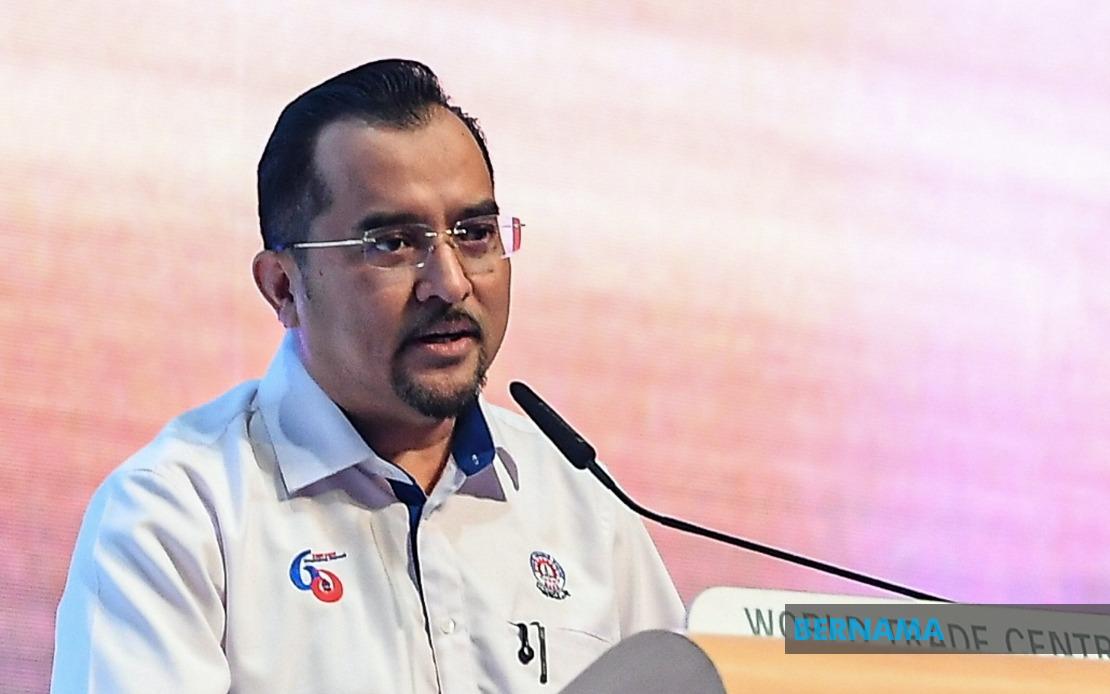
The Malaysian pension and education body MARA has signalled its readiness to permanently remove six Form Five students from MARA Junior Science College (MRSM) in Johor should they be found responsible for the alleged bullying of a younger student. MARA Chairman Datuk Asyraf Wajdi Dusuki made the declaration in response to mounting public concern over the incident, which only became widely known after the victim's family detailed their harrowing experience on social media platforms.
The six students remain in police custody following their arrest on suspicion of bullying. The investigation gained official momentum after the parents of the 14-year-old victim filed a report, prompting law enforcement to remand the accused teenagers for a two-day period. Dusuki's statement represents MARA's institutional response to what he characterised as a deeply troubling breach of the college's foundational values, describing himself as profoundly saddened by the allegations.
In his immediate response, Dusuki instructed the Secondary Education Division and MRSM management to initiate disciplinary proceedings without delay. The College Disciplinary Committee has been directed to convene within 24 hours to examine evidence and determine appropriate sanctions. This accelerated timeline underscores MARA's determination to address the matter expeditiously, rejecting any suggestion that institutional inertia or bureaucratic delay might shield perpetrators from accountability.
The bullying allegations emerged from circumstances that highlight the psychological toll on victims. The teenager in question had reached a breaking point where continuing his education at the residential institution became unbearable. His parents, witnessing their son's distress, made the difficult decision to withdraw him from MRSM rather than allow the suffering to persist. This family narrative has resonated across Malaysian society, prompting broader reflection on safeguarding mechanisms within elite boarding schools and the duty of pastoral care that institutions owe their charges.
Dusuki's public stance reflects broader institutional concern about MRSM's reputation and the wellbeing of its student body. He articulated an uncompromising position summarised in the phrase "YOU TOUCH, YOU GO," signalling that those found guilty of physical violence or intimidation would face immediate expulsion. This messaging serves multiple purposes: it reassures current and prospective students that the institution takes their safety seriously, it deters potential perpetrators through clarity about consequences, and it demonstrates MARA's commitment to maintaining discipline.
The distinction between bullying and legitimate disciplinary authority emerged as a key concern in Dusuki's remarks. He acknowledged that some older students invoke the pretext of "mentoring" junior pupils to justify aggressive conduct. By explicitly stating that such behaviour disguised as discipline is "completely unacceptable," MARA has attempted to close a loophole that might otherwise protect bullies. This distinction matters considerably in boarding school environments where hierarchy and tradition often permit senior students certain authority over juniors.
Critically, Dusuki urged victims and witnesses not to suffer in silence or abandon their education. Rather than normalising withdrawal as a coping mechanism, he encouraged students to report incidents immediately to teachers, residential wardens, or school administrators. This messaging seeks to shift the burden of responsibility away from victims—who often blame themselves or fear retaliation—and onto institutional actors equipped to investigate and respond. The approach acknowledges that silence perpetuates harm and that bystanders possess an obligation to intervene.
An equally significant component of Dusuki's statement targeted adults who might be tempted to cover up misconduct. He warned that MARA would pursue action against anyone attempting to conceal or protect those involved in bullying. This warning extends to teachers, staff, or other officials who might prioritise institutional reputation over student protection. By explicitly threatening consequences for cover-ups, MARA has signalled that complicity and silence are not acceptable responses.
The incident raises important questions about the adequacy of safeguarding protocols within Malaysia's premier boarding schools. MRSM institutions serve as gateways to higher education and career advancement, attracting academically accomplished students from across the nation. Yet academic excellence does not automatically correlate with emotional maturity or ethical conduct. Bullying in such settings can take insidious forms—social ostracism, hazing rituals presented as tradition, or systematic intimidation rooted in socioeconomic or ethnic hierarchies. Institutional responses must therefore go beyond reactive disciplinary measures to encompass preventative education and cultural change.
The case also underscores the evolving role of social media in exposing institutional failures. The victim's family resorted to public disclosure on digital platforms only after conventional channels either failed or moved too slowly. This pattern—where parents turn to social media when they perceive institutional inaction—reflects broader trust deficits between families and educational authorities. While social media disclosure can mobilise rapid institutional response, as occurred here, it also bypasses due process and potentially compromises investigations by introducing public prejudgement.
Moving forward, MARA faces the challenge of translating zero-tolerance rhetoric into consistent practice. Expulsion remains the ultimate sanction available to educational institutions, but its application must be proportionate, fair, and procedurally sound. The disciplinary committee must weigh evidence carefully, ensure accused students have opportunity to respond to allegations, and distinguish between different degrees of misconduct. Simultaneously, MARA must sustain institutional memory of this crisis to prevent similar incidents from recurring.
The broader context for Malaysian policymakers involves recognising that bullying represents not merely a disciplinary issue but a safeguarding challenge. Training residential staff to identify warning signs, creating reporting mechanisms that protect whistleblowers, fostering peer support networks, and addressing underlying grievances through restorative justice approaches all represent complementary strategies to expulsion. As MARA proceeds with its investigation and disciplinary hearings, the precedent it sets will reverberate across Malaysia's network of elite boarding institutions and influence how they approach student protection.
For families considering MRSM placement, this incident and MARA's response will factor into decision-making calculus. The clarity of institutional consequence demonstrates commitment to accountability, yet persistent questions remain about whether robust safeguarding structures existed beforehand or whether this crisis prompted their creation. The months ahead will reveal whether MARA's strong words translate into enduring systemic change or represent a temporary response to public pressure.

