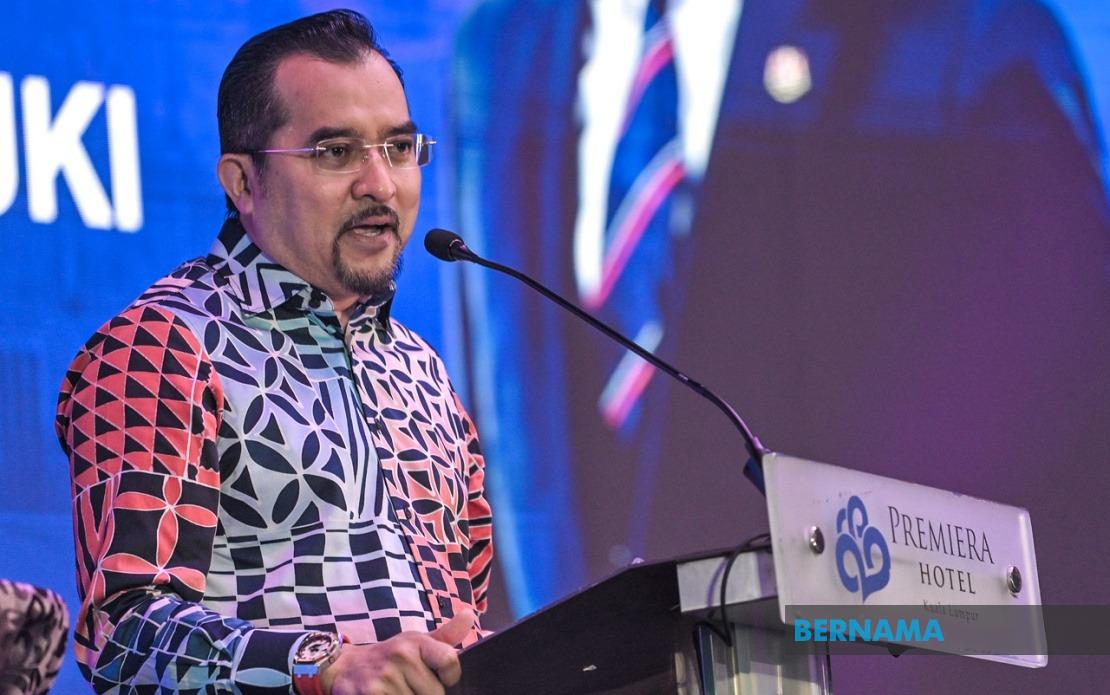
The Majlis Amanah Rakyat (MARA) will introduce a structured approach to student discipline by stationing four full-time wardens at each MARA Junior Science College (MRSM) campus, drawing exclusively from former military backgrounds. This initiative, announced by MARA chairman Datuk Dr Asyraf Wajdi Dusuki, reflects a strategic pivot toward embedding institutional discipline within Malaysia's elite boarding schools for high-achieving students. The phased rollout will target ten MRSMs during the current year before reaching the entire network of 58 colleges by January 2026, signalling a comprehensive transformation in how student conduct and character formation are managed across the system.
The appointment structure underscores gender balance in institutional leadership, with each campus receiving two male and two female wardens. This composition reflects contemporary understanding that residential colleges benefit from diverse perspectives in pastoral care and disciplinary oversight. The completion of selection and screening for male warden positions, coupled with the anticipated finalisation of female appointments within days, indicates MARA's commitment to implementing the scheme without lengthy delays. The organisation's deliberate focus on former military personnel stems from recognition that such individuals bring institutional experience in maintaining orderly environments and fostering personal discipline—qualities that have traditionally stretched teachers who are already managing academic responsibilities alongside residential duties.
The recruitment process itself involved collaboration between MARA, the Malaysian Armed Forces (ATM), and allied government agencies, demonstrating coordination across institutional frameworks. This multi-agency approach ensured that candidates possessed not merely military background but exemplary service records and demonstrated reliability. Such vetting mechanisms reduce risks associated with placing authority figures in close contact with teenage students, addressing legitimate pastoral safeguarding concerns. The emphasis on vetted candidates reflects institutional maturity in recognising that simply importing military discipline without careful selection could prove counterproductive in an educational setting requiring both firmness and nuance.
Mara's positioning of this initiative addresses a persistent structural challenge within Malaysia's residential school system: the expectation that teaching staff provide round-the-clock supervision while maintaining pedagogical effectiveness. Teachers in boarding institutions have historically juggled classroom instruction with dormitory responsibilities, often resulting in neither function receiving adequate attention. By creating dedicated warden positions, MARA acknowledges this tension and opts for specialisation. The former military personnel are expected to concentrate exclusively on student welfare, behaviour management, and character development, freeing teachers to focus on curriculum delivery and academic mentoring. This separation of functions represents an organisational reform with implications beyond MARA, potentially signalling a broader Malaysian educational trend toward professionalising residential support roles.
Datuk Dr Asyraf Wajdi's statements positioning discipline and morality as institutional non-negotiables reveal MARA's broader educational philosophy. The emphasis on producing graduates who combine technical competence with strong values demonstrates that elite educational institutions, particularly those targeting high-achieving students, increasingly frame their mission beyond academic outcomes. Character formation stands alongside examination success as a defining institutional commitment. This stance appeals to parents and employers alike, both of whom recognise that graduate success depends not only on technical skills but on reliability, integrity, and ethical judgment.
The timing of this announcement coincides with broader Malaysian discourse around youth discipline and institutional accountability. Concerns about student misconduct, from cyberbullying to more serious disciplinary infractions, have elevated the profile of pastoral care within educational debates. MARA's initiative represents a tangible institutional response to these concerns, signalling that elite schools are prepared to invest in preventative structures rather than reactive discipline. For Malaysian parents considering MRSM placement for their children, the presence of dedicated wardens offers reassurance about supervision intensity and consistency.
On the technical and vocational education front, MARA reported an impressive graduate employability rate of 99.1 per cent among Technical and Vocational Education and Training (TVET) programme completers. This metric reflects labour market alignment with industry needs, particularly in sectors experiencing skills shortages. The Samsung recruitment case study—700 MARA TVET graduates engaged at RM3,500 starting salary—illustrates how technical education can deliver tangible, immediate economic outcomes. For Malaysian school-leavers considering pathway options, MARA's demonstrated ability to place graduates in premium-salary positions positions TVET as a viable alternative to traditional academic tracks, addressing persistent societal assumptions that vocational education represents a second-tier option.
The strategic collaborations enabling such employment outcomes deserve closer examination. MARA's capacity to facilitate bulk recruitment arrangements with multinational technology firms reflects institutional relationships and reputation built over years of consistent graduate quality. These partnerships reduce friction in the labour market and enable MARA graduates to access international corporate environments early in their careers. For Southeast Asian economies competing for skilled manufacturing and technology roles, such institutional connections to multinational employers represent significant competitive advantages, positioning Malaysian TVET graduates within regional labour hierarchies.
The allocation of RM145,000 in excellence programme funding to five top-performing MRSMs, identified through SPM examination results, introduces meritocratic resource distribution within the MARA network. This approach rewards institutional excellence while creating incentive structures for other colleges to aspire toward premier performance metrics. However, such concentration of additional resources raises questions about equity within the system—whether colleges serving less-advantaged regions or demonstrating emerging improvement receive comparable support. This funding mechanism reflects broader Malaysian policy tensions between celebrating excellence and ensuring inclusive access.
Looking forward, the integration of former military wardens into MRSM environments will generate important operational data regarding discipline models in elite boarding schools. Malaysia's other premier institutions, from Sekolah Menteri Besar to Sekolah Sains Kuala Lumpur, may observe these developments with interest, considering whether similar models suit their respective institutional cultures. The success or challenges encountered during this twelve-month pilot phase across ten campuses will likely influence discussions about residential school management across Malaysia's broader educational landscape.
The broader significance of MARA's initiatives—strengthening discipline infrastructure while simultaneously demonstrating exemplary labour market outcomes through TVET—positions the institution as increasingly central to Malaysia's skills development agenda. As Southeast Asian economies shift toward high-value manufacturing and technology sectors, institutions capable of producing both disciplined, characterful graduates and immediately employable technical specialists address multiple societal imperatives simultaneously. MARA's expansion of warden positions and continued emphasis on industry partnerships suggest the institution is strategically positioning itself to meet evolving economic and social demands.

