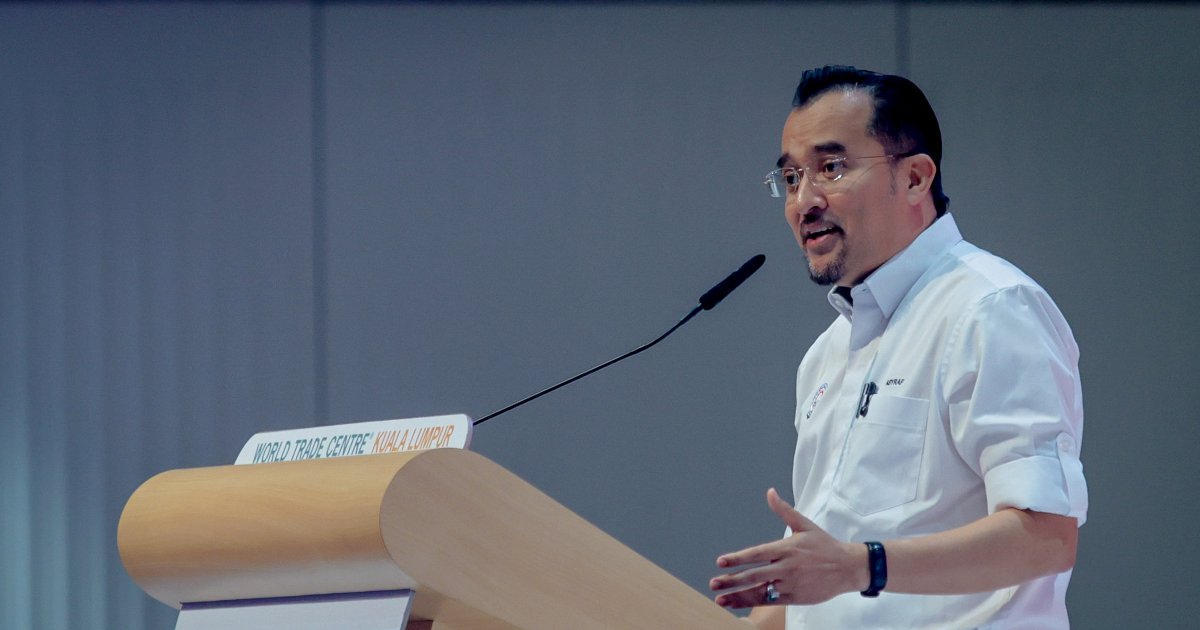
Mara has commenced a comprehensive inquiry into reported instances of bullying within MRSM schools, reflecting growing institutional concern over student welfare and disciplinary standards across the residential institution network. The move signals a firm commitment to addressing what appears to be a recurring challenge in the boarding school environment, with the agency making clear that serious misconduct will result in stringent consequences, up to and including removal from the institution.
Residential schools like MRSM, which operate across multiple states and serve as gateways to higher education for many Malaysian students from Bumiputera backgrounds, have historically faced intermittent scrutiny over their pastoral care mechanisms. The launch of this formal investigation indicates that recent complaints or allegations have reached a threshold requiring systemic examination rather than isolated incident management. Such institutions typically house hundreds of students away from their families, creating unique vulnerability factors around supervision, peer dynamics, and the power structures that can develop in boarding environments.
The threat of expulsion represents Mara's most severe disciplinary option and underscores the seriousness with which the organisation is treating these allegations. In Malaysian educational contexts, expulsion from a flagship institution like MRSM carries significant consequences for a student's academic trajectory and future opportunities, making it a powerful deterrent against bullying behaviour. However, the deployment of such consequences also raises questions about proportionality and whether lesser sanctions might be more appropriately applied depending on the nature and severity of individual cases.
Bullying in boarding schools operates within distinct parameters compared to day schools. The 24-hour residential environment means victims have limited escape routes, and social hierarchies can become intensified through constant peer contact. Additionally, the distance from parental oversight may delay discovery of bullying incidents, allowing problematic behaviour to escalate. Mara's investigation will likely need to examine not just individual perpetrators but institutional safeguarding protocols, staff training, and reporting mechanisms.
The investigation's scope and methodology will be crucial in determining its effectiveness. A thorough inquiry would encompass interviews with affected students, staff accounts, examination of communication channels and complaint logs, and review of existing anti-bullying policies. Mara must also consider whether current grievance procedures adequately encourage reporting, as bullying frequently remains hidden due to fear of retaliation or institutional responses that students perceive as inadequate.
For Malaysian parents considering MRSM placement for their children, this development carries mixed implications. On one hand, Mara's willingness to investigate transparently and enforce consequences demonstrates accountability. On the other hand, the very fact that bullying allegations have become significant enough to warrant formal investigation may prompt families to reassess the safety environment at these institutions. The outcome and findings will likely shape parental confidence in Mara's capacity to maintain the boarding school experience as a secure developmental space.
The MRSM network remains strategically important within Malaysia's education ecosystem, particularly for rural and lower-income Bumiputera students who might otherwise lack access to quality residential secondary education. Any extended reputation damage could affect application rates and the institution's ability to attract capable students. This creates institutional incentive for Mara to conduct a thorough but expedient investigation that not only addresses the immediate allegations but also rebuilds stakeholder confidence.
Regionally, Malaysia's approach to student welfare in boarding institutions is being increasingly scrutinised as awareness of bullying's long-term psychological impacts grows. Southeast Asian countries generally have been slower than Western nations in implementing comprehensive anti-bullying frameworks in schools, with many relying on traditional discipline models. Mara's investigation could set precedent for how other Malaysian and regional institutions approach similar allegations, potentially catalysing broader reform in how boarding schools conceptualise student safety and pastoral care.
The investigation may also prompt Mara to review staff capacity and training in recognising bullying dynamics. Residential schools require teachers and dormitory supervisors who understand not just their academic specialisations but also adolescent psychology and trauma-informed approaches to student support. If training gaps emerge during the investigation, Mara will need to invest in professional development to ensure staff can effectively identify at-risk students and intervene appropriately.
Moving forward, the success of Mara's response will be measured not only by whether it identifies and appropriately sanctions perpetrators, but by whether it implements systemic improvements that prevent recurrence. This might include establishing independent complaint channels, peer mentorship programmes, mental health support, and greater transparency in how bullying cases are handled. Malaysian students and their families deserve assurance that residential education environments, despite their distance from home, maintain standards of safety and respect equivalent to what is increasingly demanded in contemporary schools nationwide.

