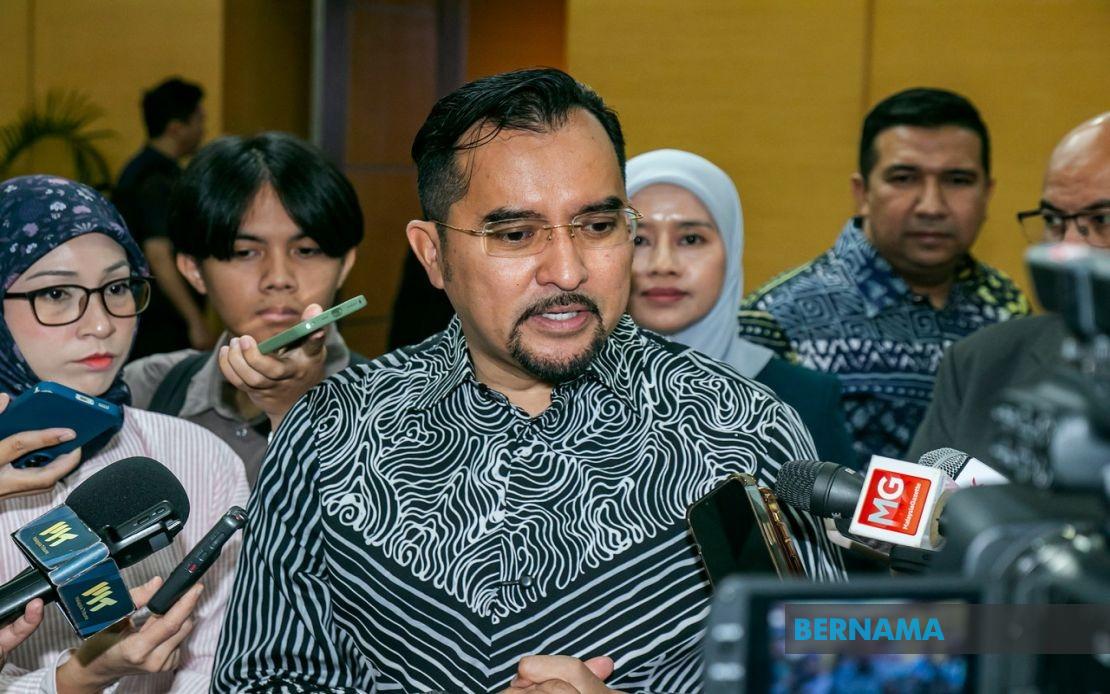
The Majlis Amanah Rakyat (MARA) is preparing to introduce sweeping legislative reforms through the proposed MARA Bill 2026, with parliamentary tabling scheduled for November. The overhaul represents a fundamental restructuring of how the institution responsible for safeguarding Malay and Bumiputera interests operates, reflecting growing recognition that governance frameworks established in the 1960s require substantial modernisation to meet contemporary corporate standards.
MARY chairman Datuk Asyraf Wajdi Dusuki revealed that the Bill has now reached its final legislative stage following Cabinet policy approval. The proposed legislation places particular emphasis on institutional integrity and accountability, with approximately 80 per cent of its content dedicated to establishing robust governance mechanisms aligned with international best practices. This substantial focus on governance structures signals a deliberate recalibration of institutional priorities, shifting away from centralised authority toward distributed oversight and transparency.
Central to the reform agenda is a significant reduction in the chairman's executive powers. Under the current MARA Act 1966, the chairman exercises broad administrative and operational authority. The new Bill fundamentally alters this arrangement by confining the chairman's role to presiding over the Board of Directors or Council and determining strategic policy directions. This structural change removes the chairman from day-to-day administrative involvement, effectively introducing what Asyraf Wajdi characterised as a "check and balance" mechanism within the institution's leadership framework.
Asyraf Wajdi's framing of these reforms as institutional legacy-building rather than personal preference underscores the seriousness with which the leadership approaches governance vulnerabilities. He explicitly stated that the initiative transcends individual tenure, aiming instead to establish enduring safeguards against corruption, malpractice, misappropriation, and the inefficient expenditure of institutional resources. This positioning reflects broader acknowledgment within Malaysia's public sector that governance deficiencies require systematic rather than temporary remedies.
The impetus for legislative reform stems from documented governance failures within MARA's operational history. Asyraf Wajdi previously identified specific institutional vulnerabilities that the Bill seeks to address: abuse of power, inadequate governance protocols, misappropriation of funds, regulatory irregularities, resource leakage, and systemic risks that potentially undermine the institution's foundational mission. These categories encompass both technical governance lapses and more serious breaches of fiduciary responsibility, indicating comprehensive weakness across multiple operational dimensions.
The decision to substantially rewrite legislation that has governed MARA since 1966 reflects recognition that institutional frameworks require periodic recalibration as operating environments evolve. Asyraf Wajdi articulated this principle explicitly, noting that practices appropriate to the 1960s became obsolete by the 1970s and that contemporary governance paradigms will themselves require updating within succeeding decades. This perspective frames the 2026 Bill not as a definitive solution but as a necessary adaptation to present-day requirements within an ongoing process of institutional evolution.
For Malaysian stakeholders and the broader Southeast Asian governance landscape, the MARA reform initiative carries particular significance. MARA serves as a flagship institution within Malaysia's approach to Bumiputera advancement, distributing educational and business opportunities to designated communities. Governance deficiencies within such institutions create substantive consequences beyond administrative inefficiency, potentially affecting the equitable distribution of resources to intended beneficiaries. Strengthened accountability mechanisms therefore serve not merely institutional housekeeping functions but directly impact programme delivery to vulnerable populations.
The emphasis on curtailing chairman authority represents a departure from institutional cultures that have historically concentrated decision-making power within senior individual positions. By distributing authority across collective decision-making structures and removing the chairman from routine administrative operations, the Bill reflects international governance trends that privilege distributed responsibility and institutional resilience over personalised leadership. This architectural change requires corresponding adjustments in institutional culture, staff expectations, and accountability relationships throughout the organisation.
The November parliamentary timeline establishes concrete momentum for legislative passage. With Cabinet policy approval already secured, the Bill has cleared a significant procedural hurdle, suggesting substantial governmental commitment to reform. Parliamentary tabling typically precedes enactment by several months, potentially positioning the new legislation for implementation during the 2026 financial year, though the precise timeline for full operational effect remains subject to legislative scrutiny and amendment processes.
Beyond MARA specifically, this governance reform effort contributes to Malaysia's broader institutional modernisation agenda. The public sector has increasingly recognised that post-independence institutional frameworks require updating to incorporate contemporary accountability standards, stakeholder expectations, and technical governance requirements. The MARA Bill therefore functions as one component within a wider evolution toward more robust public sector governance, with potential ramifications for how other Malaysian institutions approach leadership structures and accountability mechanisms.
The Bill's anticipated introduction represents both conclusion of an internal governance review process and commencement of public legislative deliberation. Parliamentary debate will inevitably scrutinise specific provisions, particularly those relating to chairman powers, board composition, financial oversight, and stakeholder representation. These discussions will likely extend beyond technical legislative language to encompass broader questions about institutional autonomy, political oversight, and the balance between centralised authority and distributed governance within Malaysia's public sector architecture.

